
In an era where global travel seemed safer than ever, British couple Jason and Jenny Cairns-Lawrence emerged as symbols of extraordinary misfortune. Dubbed the “world’s unluckiest couple” and even “tourists of evil omen” by some media outlets, the pair from the West Midlands of England found themselves unwittingly present during three of the deadliest terrorist attacks of the early 21st century. Between 2001 and 2008, their holidays aligned with the 9/11 attacks in New York, the 7/7 London bombings, and the 26/11 Mumbai siege. Miraculously unharmed each time, their story captivated the world, sparking debates about fate, coincidence, and the randomness of tragedy.

Kent Kobersteen, former Director of Photography of National Geographic
Jason Cairns-Lawrence, a sales agent for a metal plating company in Birmingham, and Jenny, a dental laboratory worker, were ordinary holidaymakers seeking adventure abroad. In their mid-20s to early 40s during the incidents, the couple hailed from Dudley, near Birmingham. They shared a love for exploring iconic cities, never imagining their trips would intersect with history’s darkest moments. Their experiences highlighted how ordinary lives can collide with extraordinary events, turning vacations into survival stories that later fueled international headlines.
Their saga began on September 11, 2001, when they were vacationing in New York City. As hijacked planes slammed into the World Trade Center’s Twin Towers, killing nearly 3,000 people, Jason and Jenny were in the Big Apple witnessing the chaos unfold. The city descended into panic, with smoke-filled skies and streets filled with terrified residents. Though they escaped physical harm, the couple later described the haunting images of the attacks that would linger with them for years.

Kent Kobersteen, former Director of Photography of National Geographic
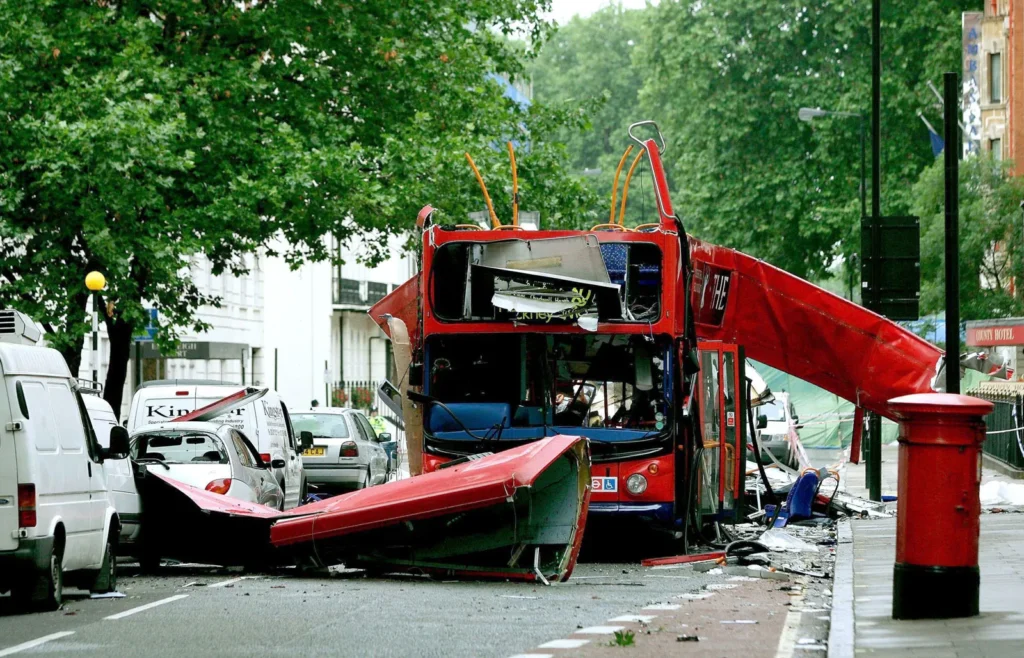
Shaken but resilient, the pair returned home and pondered their next destination. Seeking a familiar and supposedly safe European spot, they chose London for a 2005 getaway. Little did they know that on July 7, four suicide bombers would strike the city’s transport network. The coordinated attacks on underground trains and a double-decker bus claimed 52 lives and injured hundreds more. Jason and Jenny were in central London as emergency services rushed to the scenes, turning a routine holiday into another brush with terror.
The London bombings tested their nerves profoundly. Amid the confusion of closed Tube stations and heightened security, the couple navigated the aftermath alongside shocked locals. Jenny later reflected on the visible fear in the eyes of authorities and residents, contrasting it with other cities’ responses. Despite the trauma, they remained philosophical about their narrow escapes, viewing the incidents as bizarre alignments rather than personal curses.

Via National Review
Undeterred by two close calls, Jason and Jenny set their sights on India in late 2008. They arrived in Mumbai, staying in the vibrant Colaba area, drawn by the city’s energy and cultural richness. On November 26, however, ten Lashkar-e-Taiba militants launched a coordinated assault on hotels, cafes, and landmarks, killing nearly 180 people over four days. Foreigners were specifically targeted in the siege that paralyzed the metropolis.
Positioned near the epicenter in Colaba, the couple found themselves amid the unfolding horror. Gunfire echoed as terrorists stormed sites like the Leopold Cafe and Taj Mahal Palace Hotel. Jason and Jenny sheltered in place, avoiding the worst of the violence through sheer timing and luck. Their survival added a third chapter to their infamous itinerary, prompting global media to question the odds of such repeated misfortune.
Via britannica
In interviews following the Mumbai attacks, the couple expressed amazement at their pattern of presence. “It’s a strange coincidence,” Jenny remarked. “The terror attacks just happened when we were in the cities. I shouldn’t be laughing about it, but it is a strange coincidence.” They considered documenting their experiences in a book someday, though neither claimed strong writing skills. Their light-hearted tone masked deeper reflections on vulnerability during travel.
What struck Jason and Jenny most was Mumbai’s rapid recovery. They praised how the city rebounded faster than New York or London, with shops reopening and daily life resuming within days. “Mumbai was back to its usual business from Day 3,” Jason noted, contrasting it with prolonged fear in other places. Jenny observed locals picking up the pieces amid sadness, inspiring the couple with India’s resilience in the face of adversity.

Via The New York Times
The media frenzy transformed their private story into a global phenomenon. British and international outlets, including Sky News and Indian papers, amplified the tale after a local reporter encountered them in Mumbai. Labeled everything from lucky survivors to harbingers of doom, Jason and Jenny faced scrutiny from tourist boards and curious publics. Their case even inspired mentions in books exploring probability and coincidence.
Ultimately, the Jason and Jenny Cairns-Lawrence case serves as a poignant reminder of life’s unpredictability. Though later accounts clarified some timing details around their travels, the core narrative endures as a testament to human endurance amid chaos. The couple’s repeated brushes with terror underscore how global events can ensnare innocents, yet their survival and upbeat outlook offer hope. In a world of uncertainty, their story continues to fascinate, blending tragedy with the inexplicable threads of fate.