
Aleshia Rogers, a 27-year-old mother from Lincoln, Nebraska, never imagined a common painkiller would nearly cost her life.
In August 2020, just weeks after welcoming her third child, she endured a rare and devastating reaction that left her in a coma and stripped away 95 percent of her skin.
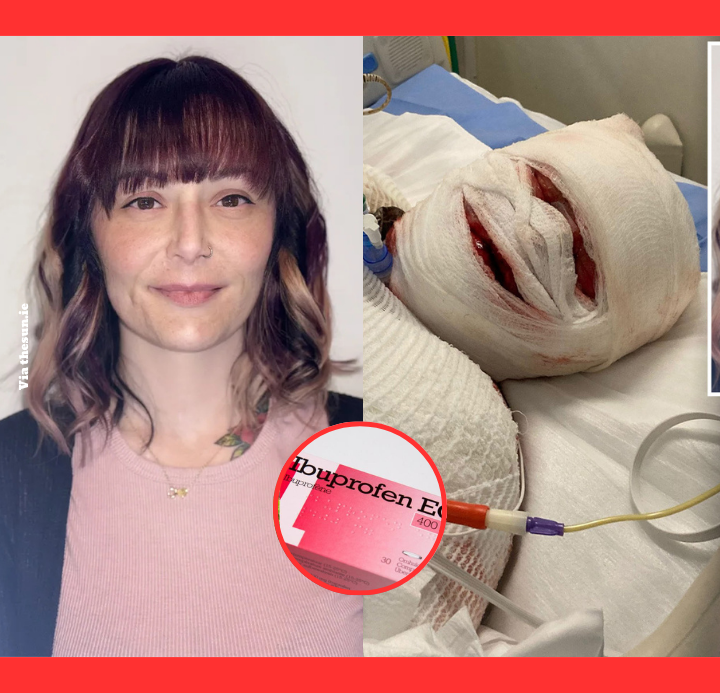
Following an emergency C-section for the birth of her son Jaxon, Aleshia began taking ibuprofen twice daily to alleviate postpartum pain and swelling.
The drug was familiar to her, having used it since her teenage years for menstrual cramps without issue.
The ordeal commenced with what appeared to be typical flu symptoms.
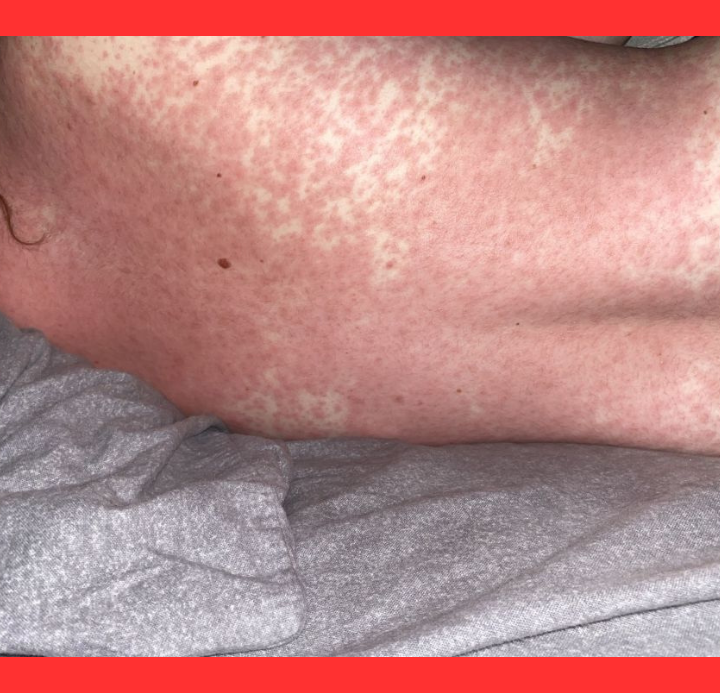
High fever, body aches, a burning sensation in her throat, and a small rash on her chest emerged, accompanied by swollen, bloodshot eyes.
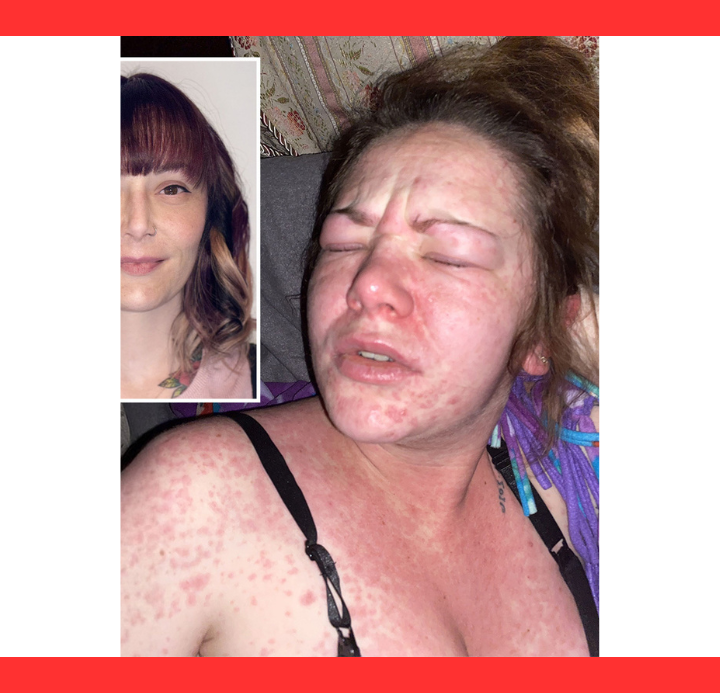
Alarmed by the symptoms, Aleshia visited the emergency room.
Doctors initially diagnosed her with pink eye and discharged her, advising rest and continued use of her pain medication.
The following day, her condition worsened dramatically.
Her face swelled beyond recognition, eyes sealed shut by inflammation.
A second ER visit led to a scarlet fever diagnosis, with instructions to persist with ibuprofen.
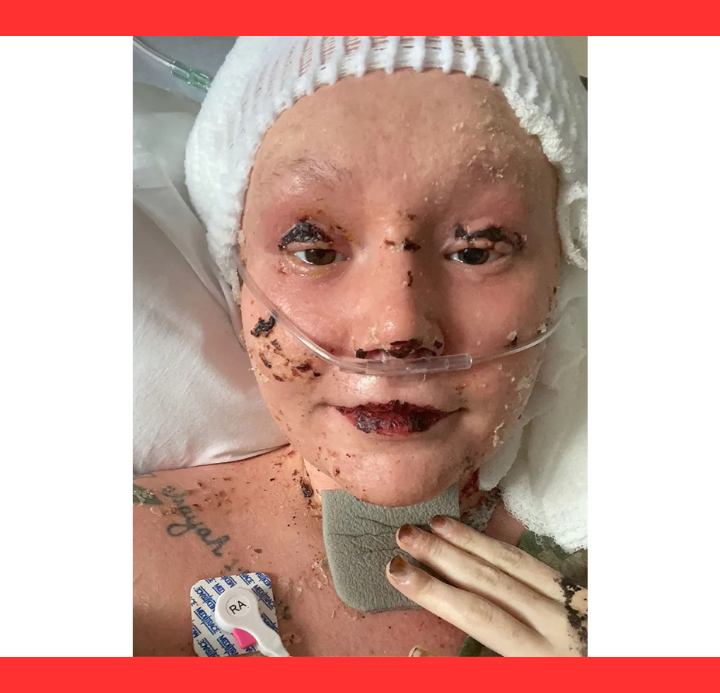
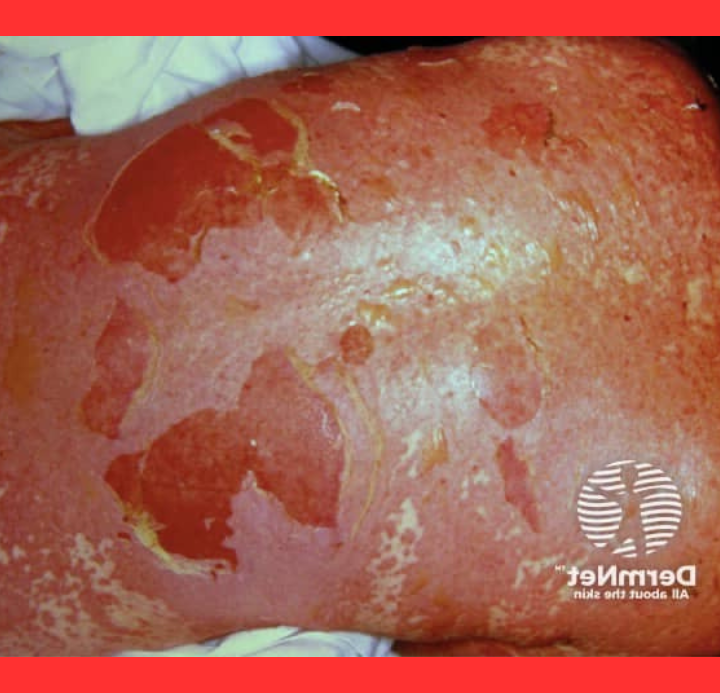
Within hours, blisters formed and her skin started peeling.
Returning to medical care, she received the shocking diagnosis of Stevens-Johnson Syndrome (SJS), believed to be triggered by the ibuprofen, which soon advanced to the life-threatening Toxic Epidermal Necrolysis (TEN).
In TEN, vast areas of skin die and slough off.
For Aleshia, this meant 90-95% of her body’s surface was affected, causing excruciating pain, sepsis, and multi-organ failure.
Physicians placed her in a medically induced coma, giving her family a grim 5-10% survival prognosis.
For three weeks, Aleshia remained unconscious in the intensive care burns unit.
Medical teams performed skin grafts, eye treatments, and provided intensive support with fluids, antibiotics, and pain management to combat infection and promote healing.
Miraculously, Aleshia awoke from the coma.
However, she had lost chunks of her memory, including details of her recent childbirth.
Her recovery involved months of rehabilitation as grafted skin integrated and her body regained strength.
Five years on, Aleshia still grapples with lasting effects such as sensitive skin and the psychological impact of her near-death experience.
Doctors remain puzzled as to why her body suddenly reacted adversely to a long-tolerated drug.
Now a vocal advocate, Aleshia shares her story to raise awareness about severe drug reactions.
She emphasizes living each day fully, noting there is no prevention for such events but vigilance can save lives.
Her survival is truly a medical miracle.

He counted minutes by shifting sunlight and replayed memories to preserve his sanity.
Eventually, perceptive professionals noticed subtle signs of his awareness, leading to assistive communication technology that unlocked his voice.
Martin’s story, detailed in his book Ghost Boy, now inspires global awareness about locked-in syndrome and compassionate care, proving the human spirit’s unbreakable resilience.