
In the late 1980s, twelve-year-old Martin Pistorius enjoyed a typical childhood in South Africa until a mysterious illness changed everything.
What started as a sore throat escalated quickly, leading to the gradual loss of his motor functions and speech.
Doctors were baffled and eventually diagnosed a degenerative brain condition, possibly cryptococcal meningitis, that left him appearing unresponsive.
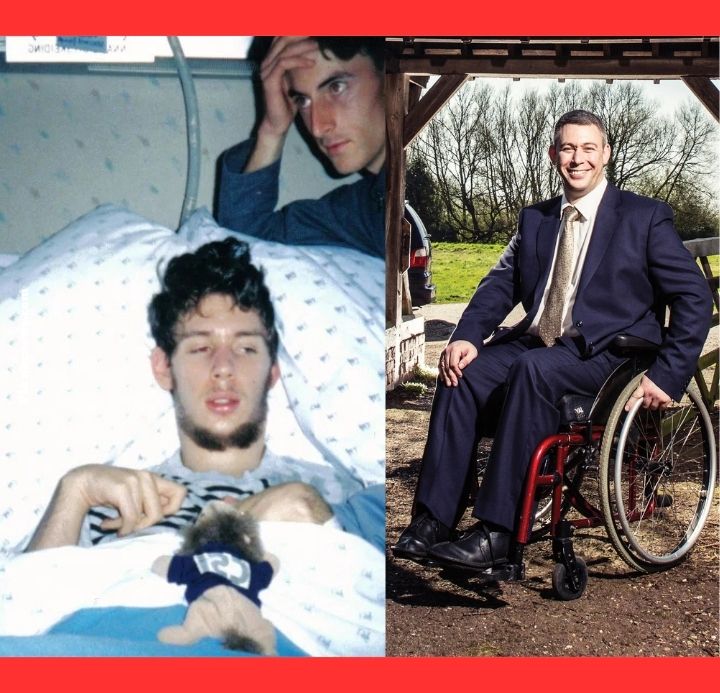
Medical professionals, puzzled by his rapid decline, concluded he was in a persistent vegetative state.
His devastated family placed him in specialized care centers, believing his mind had vanished along with his body’s control.
Martin became a silent fixture in wheelchairs and beds, handled daily with clinical detachment.
Placed into day care centers and rehabilitation facilities, Martin was treated as if his mind had vanished along with his body’s control.
Caregivers handled him mechanically, unaware of the vibrant consciousness stirring within.
He spent his days staring blankly at walls or flickering televisions, his inner world unnoticed by those around him.
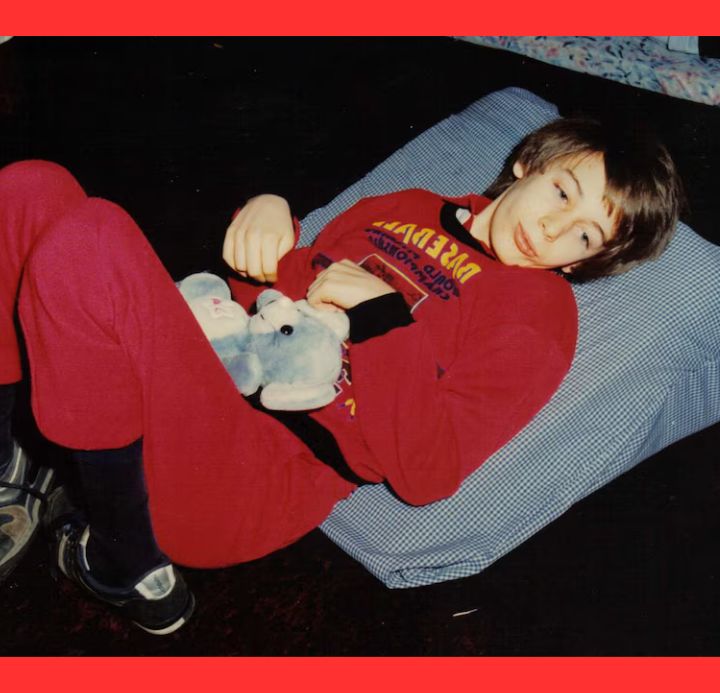
Unbeknownst to everyone, Martin began to regain full awareness after a few years.
By his late teens, he was completely conscious, hearing, seeing, and understanding all that transpired around him while trapped in paralysis.
Every sound, every touch registered sharply in his mind, yet he could not move or speak a single word.
For nine harrowing years, this full awareness turned his existence into a nightmare of isolation and helplessness.
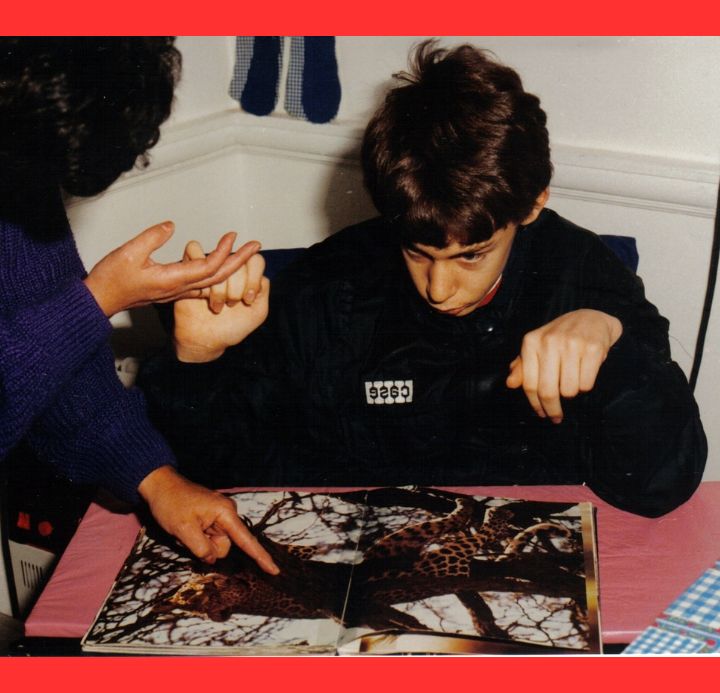
He could process every word, touch, and action directed at him but could not respond in any way.
The powerlessness gnawed at him constantly, transforming ordinary care into profound suffering.
The humiliations inflicted by indifferent caregivers were relentless and cruel.
They often shoved scalding hot food or tea down his throat, burning his mouth and esophagus as he involuntarily gagged and vomited from the pain.
Martin endured the searing agony without any outlet for his screams.
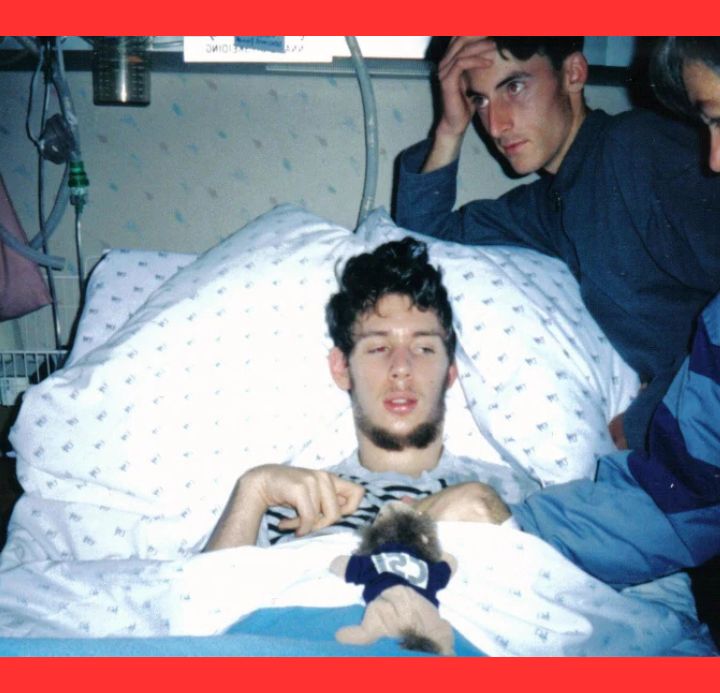
Instead of offering comfort, the staff would respond to his reactions with beatings, slapping his face or striking his body in frustration, treating his involuntary spasms as defiance.
These physical assaults left bruises that no one questioned, compounding his silent terror.
Cold baths provided another layer of torment, with Martin left shivering uncontrollably in icy water for hours, his mind screaming silently against the shocking cold that numbed his limbs further.
The humiliation of being treated like an object deepened his despair each day.
Verbal abuse compounded the physical suffering, as caretakers demeaned him with insults like “donkey” or “rubbish,” reducing the aware young man to an object of contempt.
He absorbed every cruel word, his sharp intellect trapped behind an unresponsive face.
The profound powerlessness eroded his spirit, yet Martin found solace in his thoughts, mentally escaping the daily abuses and clinging to faint hopes of eventual recognition.
He counted minutes by shifting sunlight and replayed memories to preserve his sanity.
Eventually, perceptive professionals noticed subtle signs of his awareness, leading to assistive communication technology that unlocked his voice.
Martin’s story, detailed in his book Ghost Boy, now inspires global awareness about locked-in syndrome and compassionate care, proving the human spirit’s unbreakable resilience.