
Born in 1991 in Afghanistan’s Oruzgan province, Bibi Aisha, also known as Aesha Mohammadzai, faced hardship from a young age.
Her mother died when she was two, and she was raised by relatives in a society gripped by conflict and strict tribal customs.
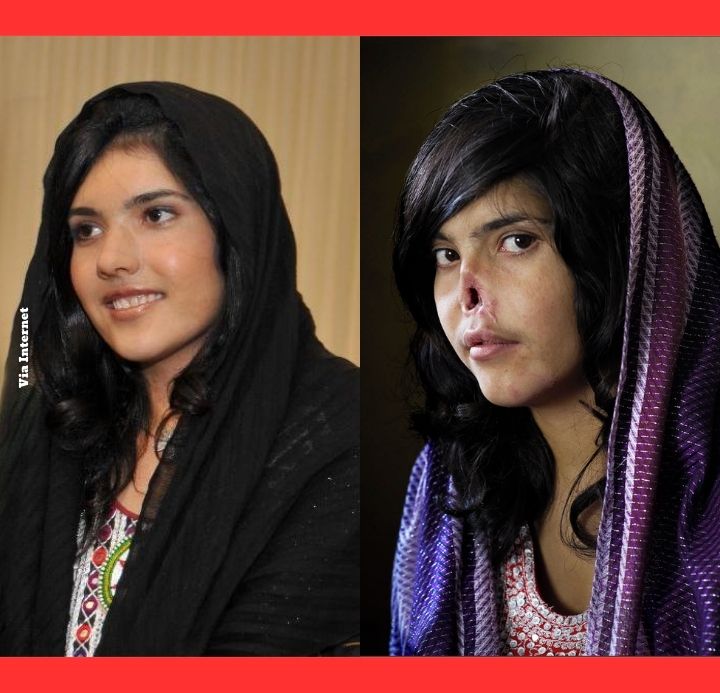
At the age of 12, Aisha’s father gave her away in a traditional “baad” arrangement to settle a family debt.
She was promised to the son of a Taliban fighter, a practice that treated girls as currency in disputes.
By 14, Aisha was forced into marriage.
Life in her new home was one of servitude and severe abuse.
She was beaten daily, denied basic rights, and forced to live outdoors like an animal by her husband and in-laws.
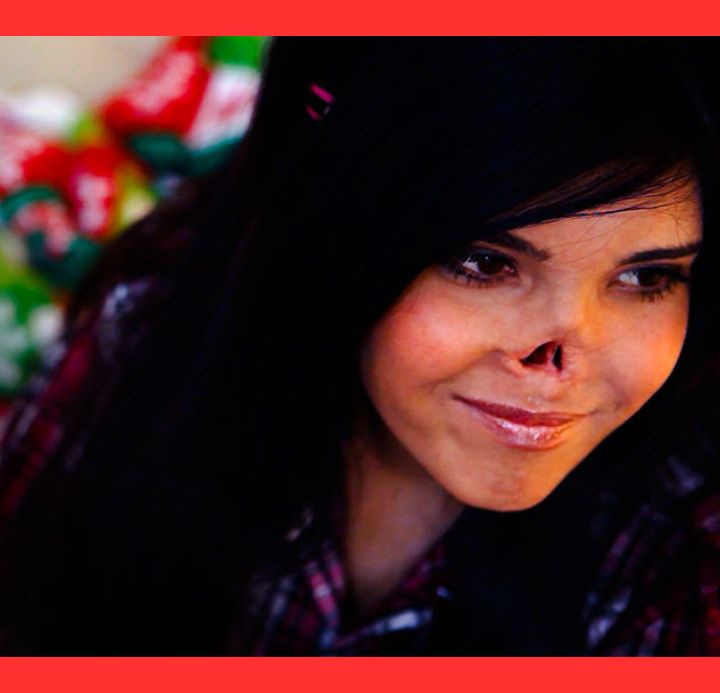
Enduring years of torment, the teenager dreamed of freedom.
In 2009, at around 18, Aisha fled to a neighbor’s house seeking refuge and possibly a divorce, hoping to escape the violence that defined her existence.
Her escape was short-lived.
Local authorities arrested her, and she spent several months in jail.
Although safer than her marital home, she was eventually returned to her husband’s family after they bribed officials.

Back under their control, the punishment for her “betrayal” was decided by her husband and his brother.
They accused her of dishonoring the family by running away, viewing it as a grave offense under Taliban-influenced rules.
Dragged to a remote mountain clearing, Aisha was tied down.
Her husband held her while his brother used a knife to sever her nose and both ears.
Left bleeding in the wilderness, she was abandoned to die.
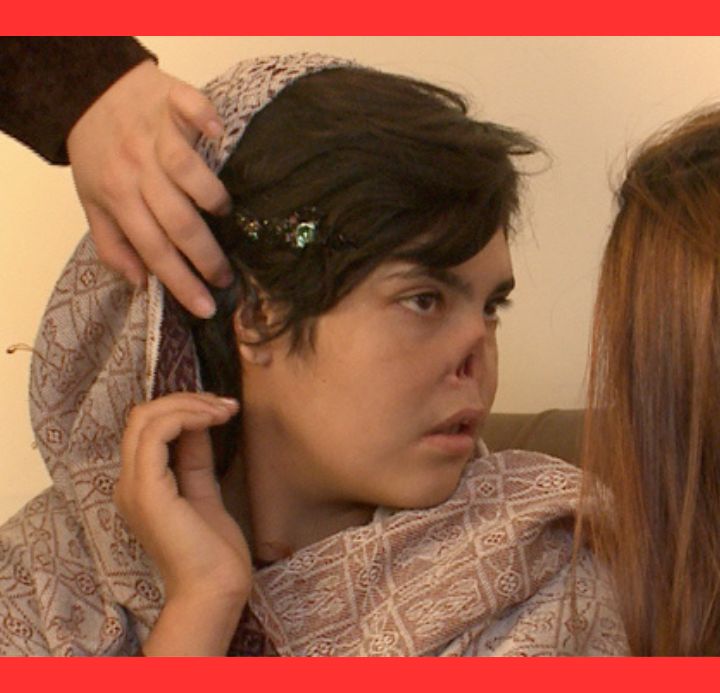
Miraculously, Aisha summoned the strength to walk for help despite horrific injuries.
After being rejected by some relatives, she reached her grandfather who rushed her to a U.S.-run hospital in Afghanistan for emergency care.
Her story gained international attention when Women for Afghan Women brought her to the United States.
In 2010, a powerful portrait of Aisha graced the cover of Time magazine, highlighting the plight of Afghan women.
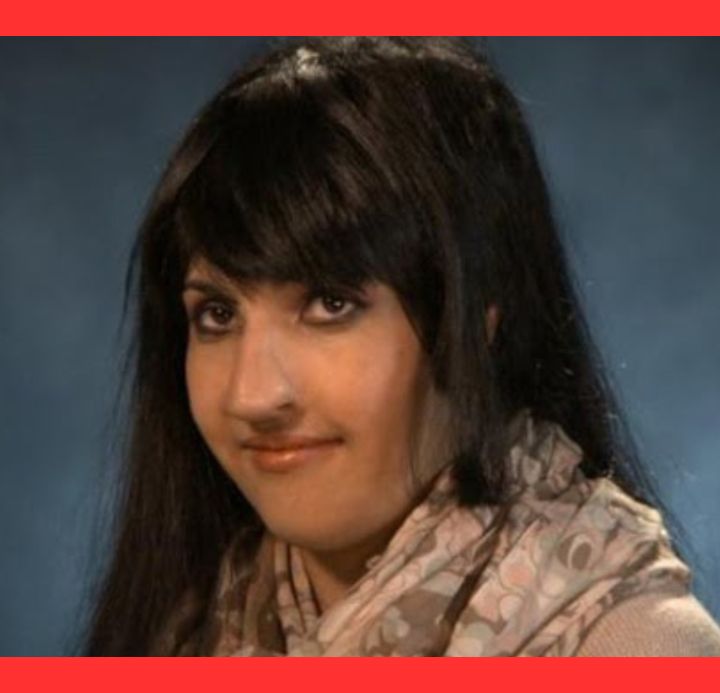
In America, Aisha underwent multiple reconstructive surgeries at the Grossman Burn Center, receiving a new nose and ears through advanced plastic surgery.
She was adopted by a loving Afghan-American family in Maryland.
Today, in her mid-30s, Aesha Mohammadzai continues to heal and advocate for women’s rights globally.
Having learned English and pursued education, she stands as a beacon of resilience, reminding the world of the cost of oppression and the power of survival.