
In 2016, 25-year-old Stan Larkin from Ypsilanti, Michigan, made medical history by living 555 days—roughly 17 months—without a human heart inside his chest.
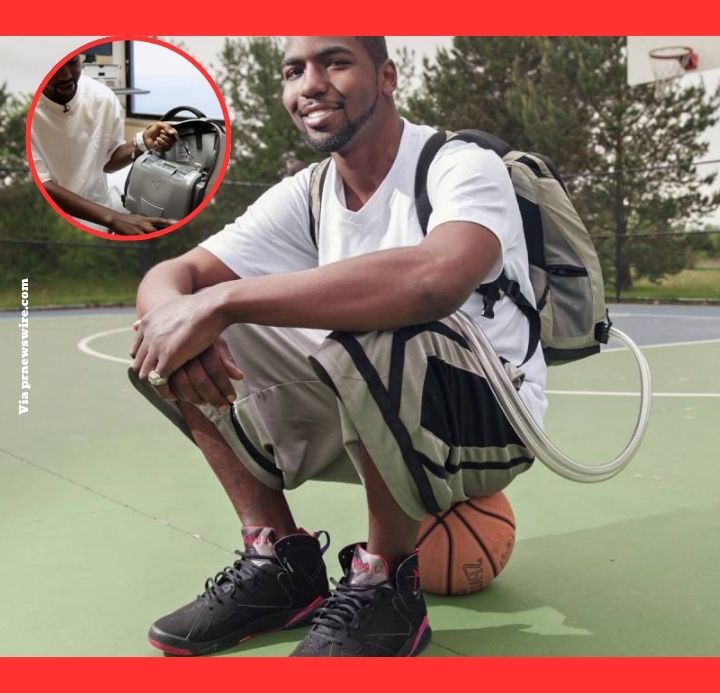
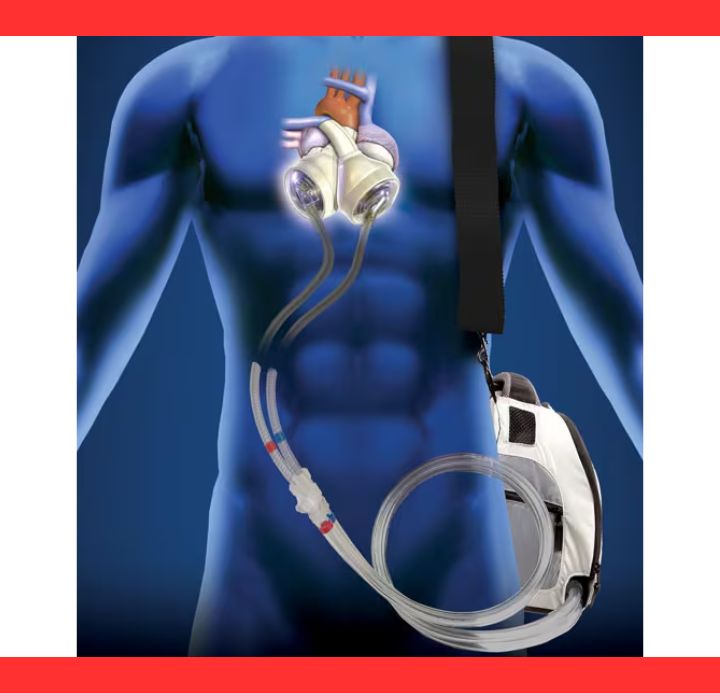
Instead, a portable artificial heart powered by a backpack kept his blood circulating while he waited for a donor organ.
His story of resilience and cutting-edge technology continues to inspire patients facing end-stage heart failure worldwide.
Stan’s ordeal began years earlier at age 16 when he collapsed on a basketball court.
Doctors diagnosed him with familial cardiomyopathy, a genetic condition that caused both ventricles of his heart to fail progressively.
By 2014, his heart was failing rapidly, and a transplant seemed his only hope—but a suitable donor heart was not immediately available.
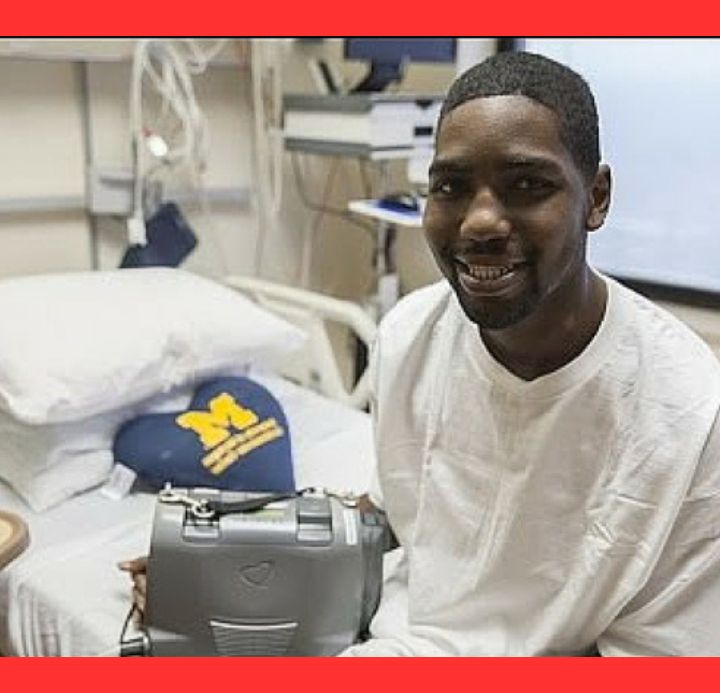
Facing hospitalization or death, Stan became the first patient in Michigan to receive a SynCardia Total Artificial Heart.
Surgeons at the University of Michigan Frankel Cardiovascular Center completely removed his diseased heart and implanted the mechanical replacement in November 2014.
The device, made of plastic and metal ventricles, mimicked a real heart’s pumping action.
What made Stan’s case extraordinary was the Freedom portable driver—a 13.5-pound (6 kg) backpack containing batteries and a compressor that delivered pulses of air to the artificial heart.
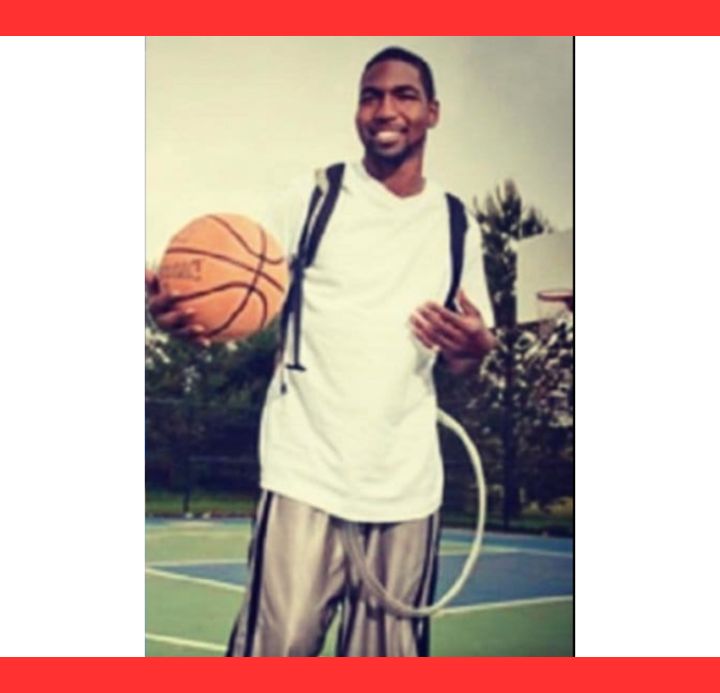
Connected by tubes through his abdomen, the device allowed him to leave the hospital and return home instead of remaining tethered to a massive console.
Discharged in early 2015, Stan embraced a surprisingly normal routine despite carrying his “heart” on his back.
He lived at home with family, ran errands, and even visited a water park. The portable system gave him freedom that earlier artificial heart patients could only dream of.
Most remarkably, Stan continued playing basketball with friends, dribbling and shooting hoops while the backpack hummed quietly.
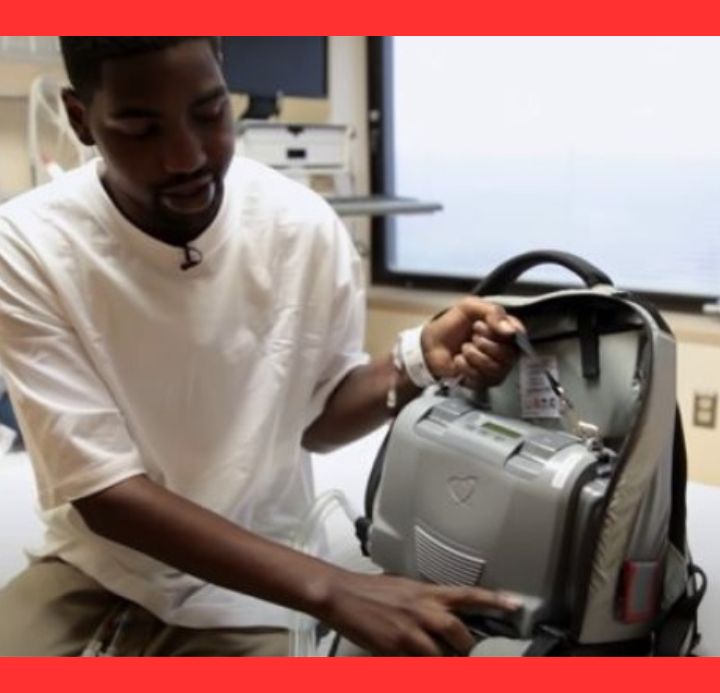
His active lifestyle proved the device’s reliability and transformed perceptions of life on mechanical support.
The wait was not without challenges.
Stan and his family endured constant monitoring, battery changes, and the emotional strain of knowing a donor heart could arrive at any moment—or not at all.
His older brother, Dominique Larkin, faced the same condition and also received a total artificial heart, though he underwent transplant sooner.
On May 9, 2016, after 555 days, Stan received his long-awaited donor heart in a successful transplant at the University of Michigan.
He was discharged shortly afterward, finally free of the backpack that had sustained him for nearly a year and a half.
Stan Larkin’s journey highlighted major advances in artificial heart technology and gave hope to thousands awaiting transplants.
His record time on the SynCardia Freedom driver underscored how portable devices can bridge the gap between diagnosis and surgery, turning what once seemed impossible into a story of courage, innovation, and survival.