
In a tragic hiking incident in Japan’s Hokkaido prefecture that has drawn worldwide attention, the smartwatch worn by 26-year-old Sota Keisuke captured the final moments before he was fatally attacked by a brown bear, providing investigators and his family with a chilling digital record of the ordeal.
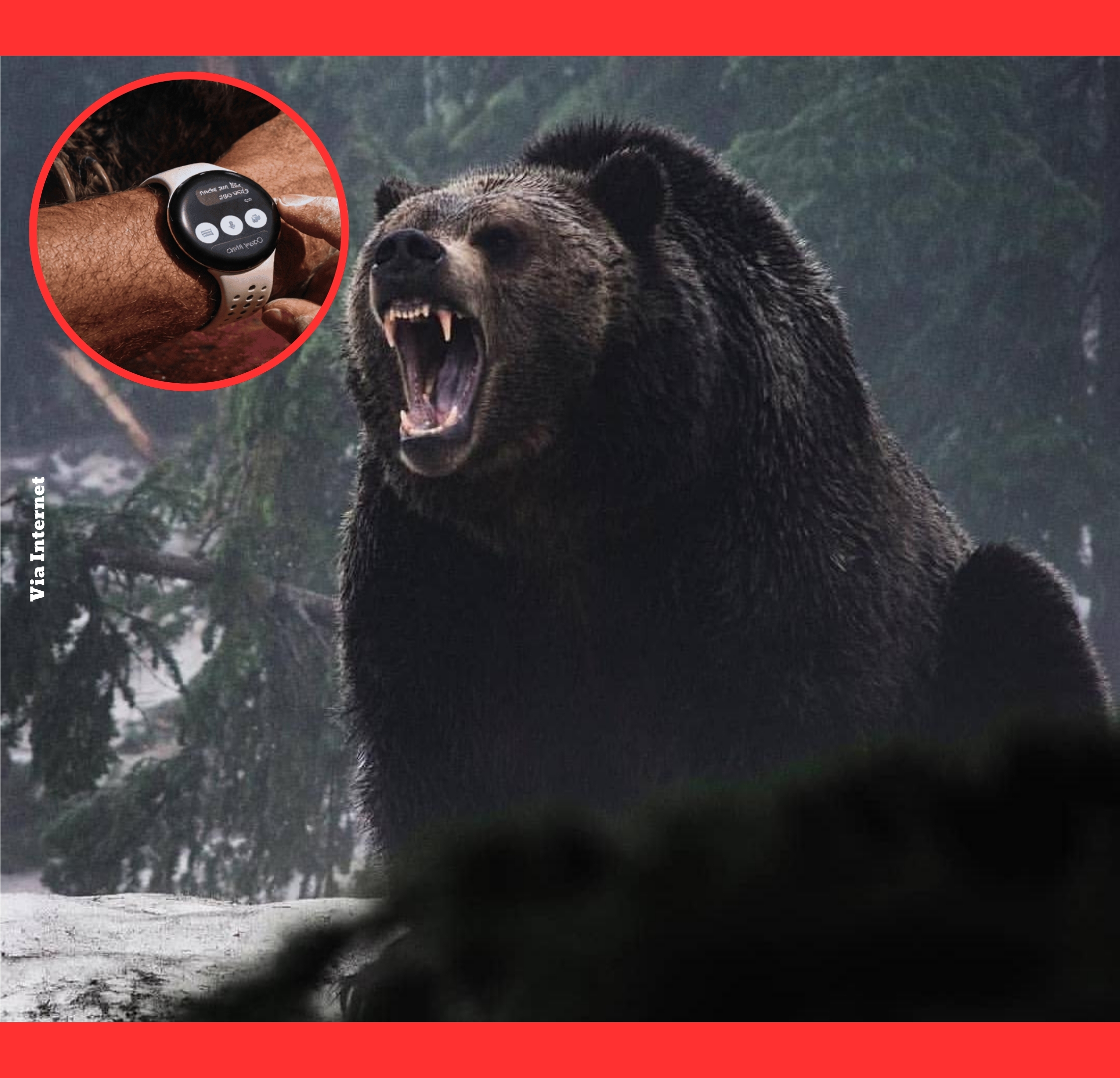
Keisuke, an office worker from Tokyo and an experienced hiker who had already conquered 46 of Japan’s 100 Famous Mountains, was descending the 1,661-meter summit of Mount Rausu in the remote Shiretoko Peninsula alongside an acquaintance on the morning of August 14, 2025.
The pair had enjoyed clear weather and scenic views earlier in the day, but conditions turned deadly without warning as they made their way down the trail.
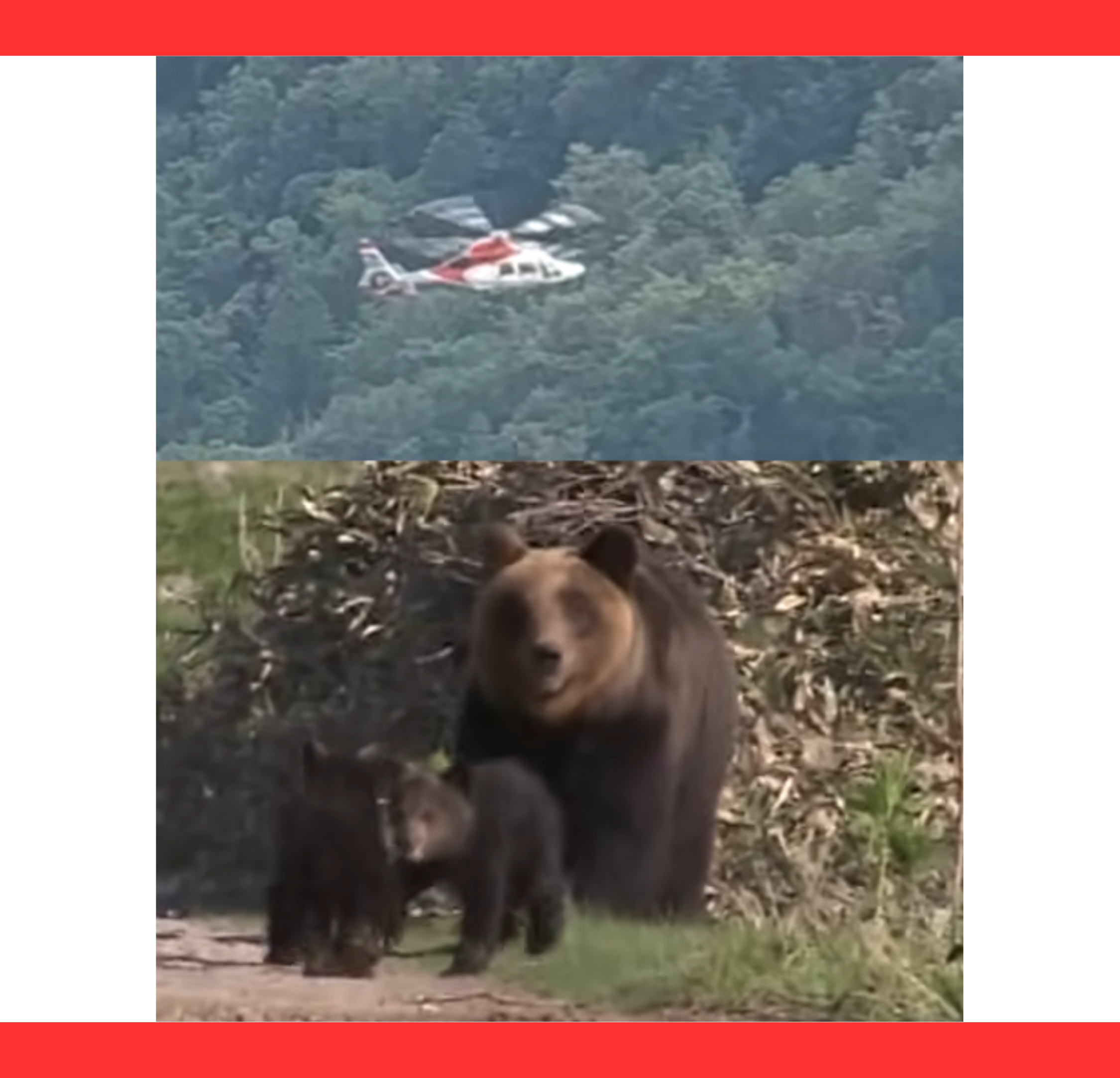
Around 11 a.m., an aggressive brown bear suddenly emerged from the undergrowth and charged at the hikers.
Keisuke tried to fight back using whatever he could reach, but the powerful animal quickly overpowered him, causing deep lacerations and profuse bleeding from his legs.
His companion, about 200 meters behind, heard the screams and raced to help, but arrived to a horrifying scene.
Despite deploying bear repellent spray in a desperate bid to scare the animal away, the friend could only watch helplessly as the bear dragged Keisuke off the established path and deep into the thick forest brush.
Emergency services were immediately alerted, launching an intensive search-and-rescue effort across the rugged terrain.

Keisuke was eventually located the following day and rushed to a hospital, where he was pronounced dead on arrival.
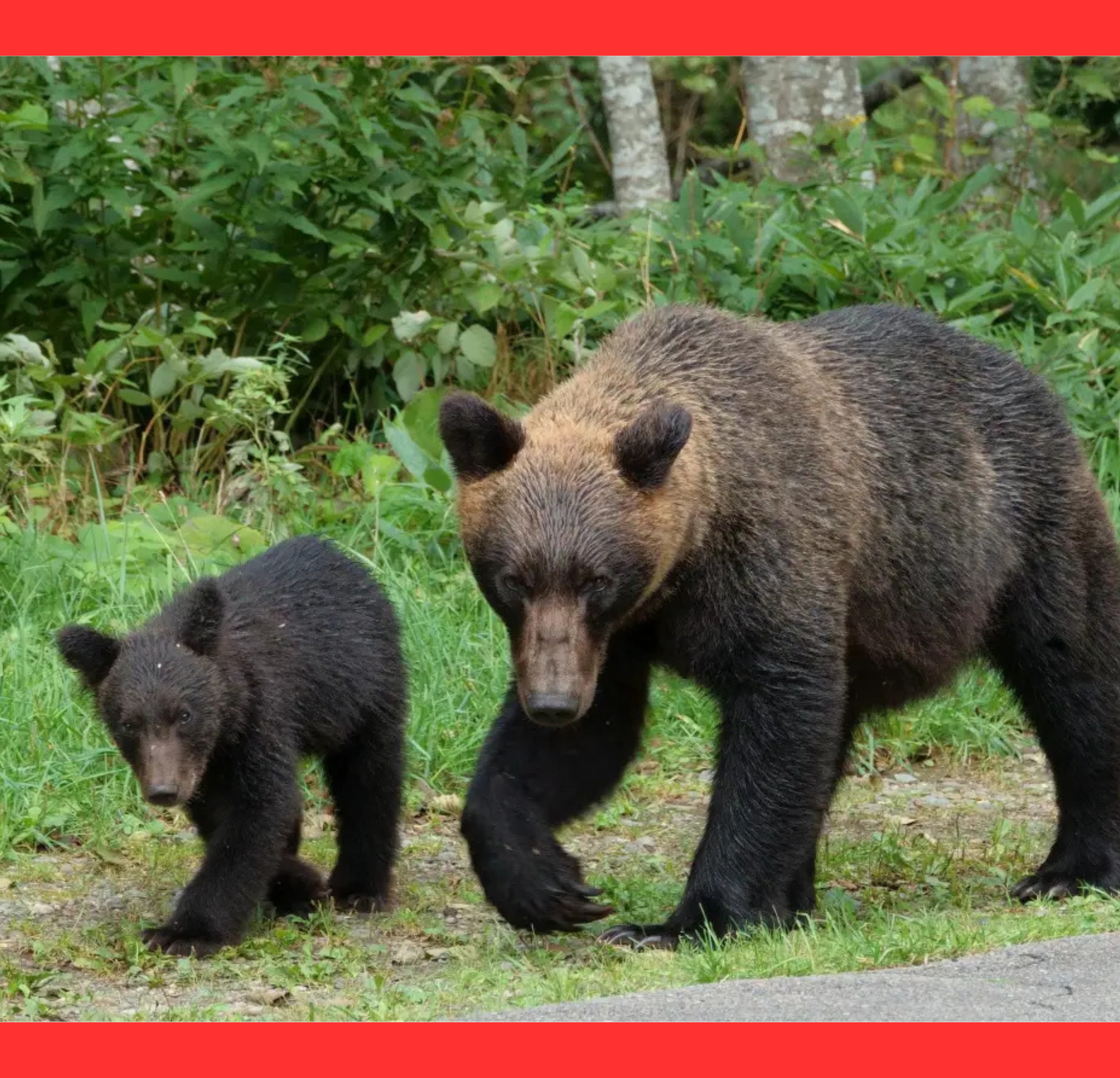
Rescue workers later described finding his body being dragged by a mother bear accompanied by two cubs, which authorities subsequently euthanized to prevent further threats.
What has made this case especially haunting is the data recovered from Keisuke’s GPS smartwatch, which continued functioning and recorded both location tracking and heart-rate information throughout the attack and its immediate aftermath.
The device painted a precise picture of the sequence that unfolded after the initial confrontation on the trail.
The watch data showed erratic movements beginning right at 11 a.m., with the tracker suddenly veering sharply off the marked hiking route and tumbling down a forested slope into dense underbrush.
Readings indicated trembling motions followed by repeated circling in roughly the same spot, about 109 to 142 yards from the safety of the trail.
Heart-rate sensors captured a rapid decline until the heartbeat flatlined completely, marking the tragic moment Keisuke likely succumbed during the struggle.
The watch then remained stationary overnight before registering new movement around 9 a.m. the next day, traveling several hundred yards farther through the brush—evidence that the bear had returned to drag the body.
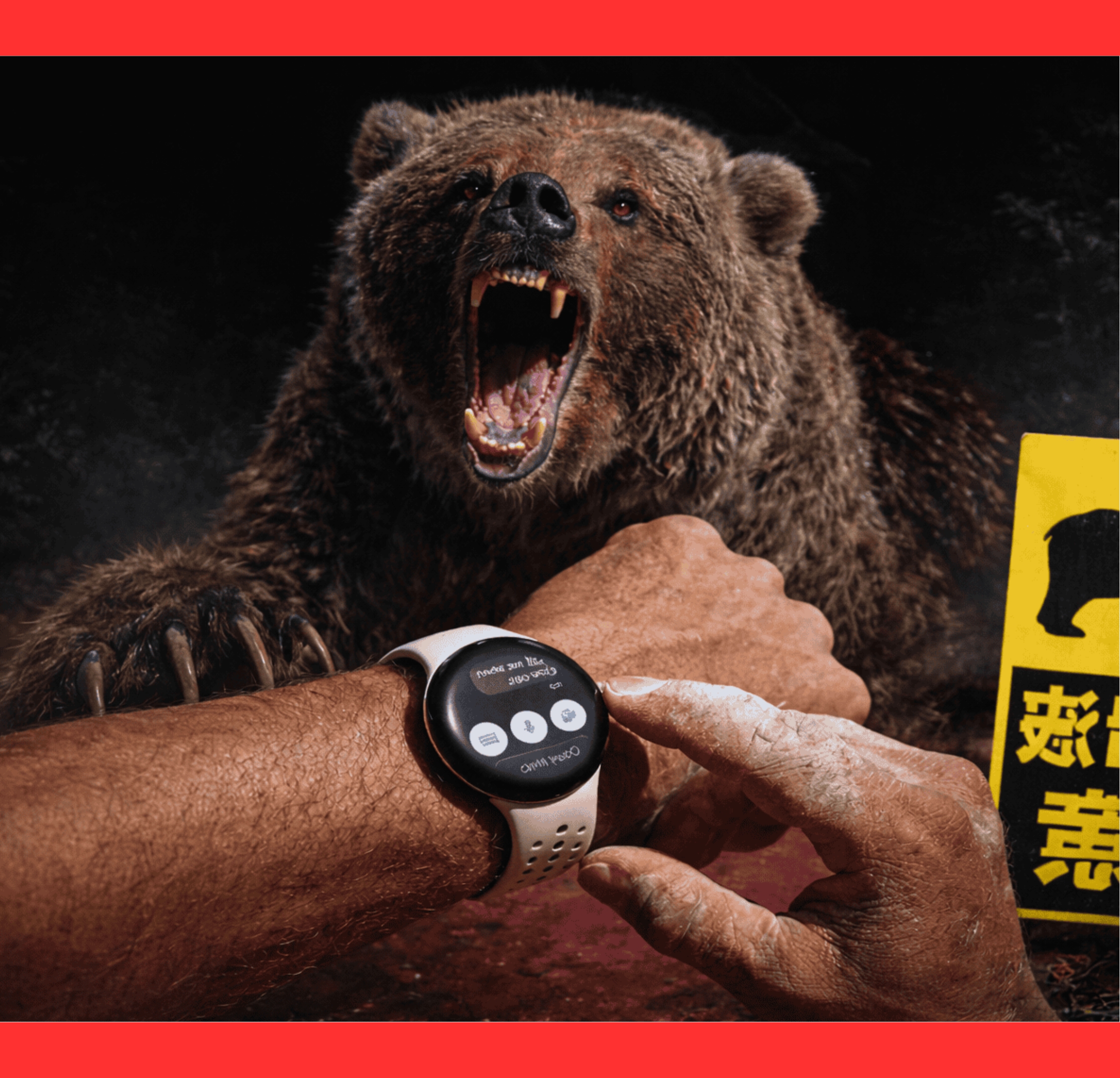
Keisuke’s parents, Shinobu Sota and his wife, received the watch from police and chose to share its data publicly, stating they do not want another family to suffer the same loss.
The information has sparked renewed calls for improved bear-safety education and trail management in Hokkaido, where human-bear conflicts have been rising in recent years.