
In the quiet city of Vologda, Russia, a routine evening in October 2015 turned into a nightmare when 17-year-old Andrey Retrovsky attempted a high-risk selfie on the rooftop of a nine-story residential building.
What began as an effort to capture one more thrilling image for his growing social media following ended in tragedy, underscoring the perilous allure of extreme stunts among young people chasing online fame.

Retrovsky, a ninth-grader with a passion for “roofing,” had built a modest but dedicated audience on Instagram under the handle @drewsssik.
His feed featured bold photographs and videos of himself balancing on ledges, hanging from cranes, and posing precariously atop high structures across the city.
These daring shots, often taken without safety gear, showcased his fearlessness but also reflected a dangerous subculture popular among Russian teens at the time.
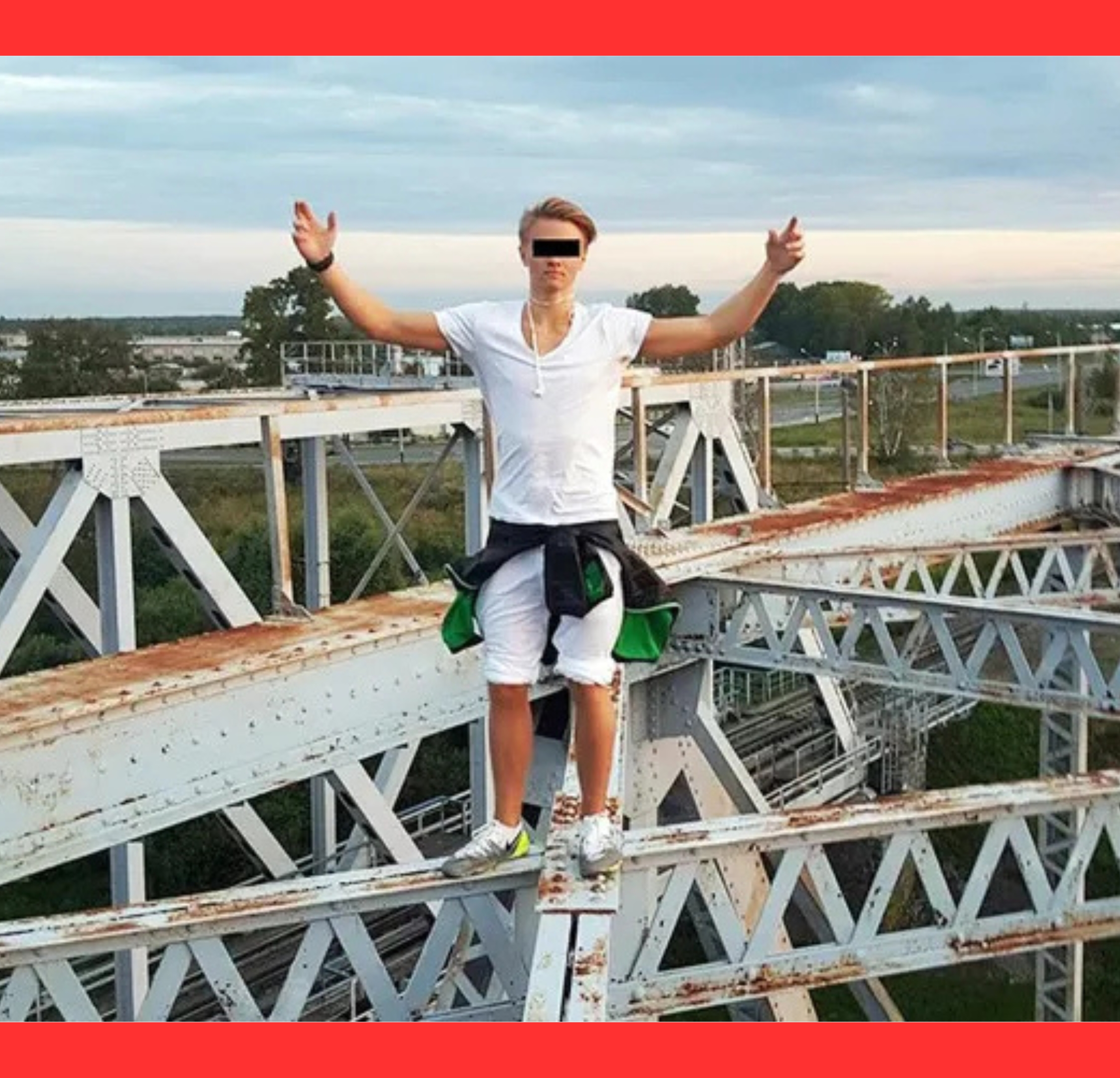
On the day of the incident, Retrovsky climbed the building with a friend as daylight faded.
He planned an elaborate “extreme selfie” that would create the illusion of him dangling freely in mid-air.
To achieve the shot, he secured himself with a rope tied to the rooftop, intending to lean out over the edge for dramatic effect.
The setup seemed straightforward, a method he had used in previous, less ambitious poses.
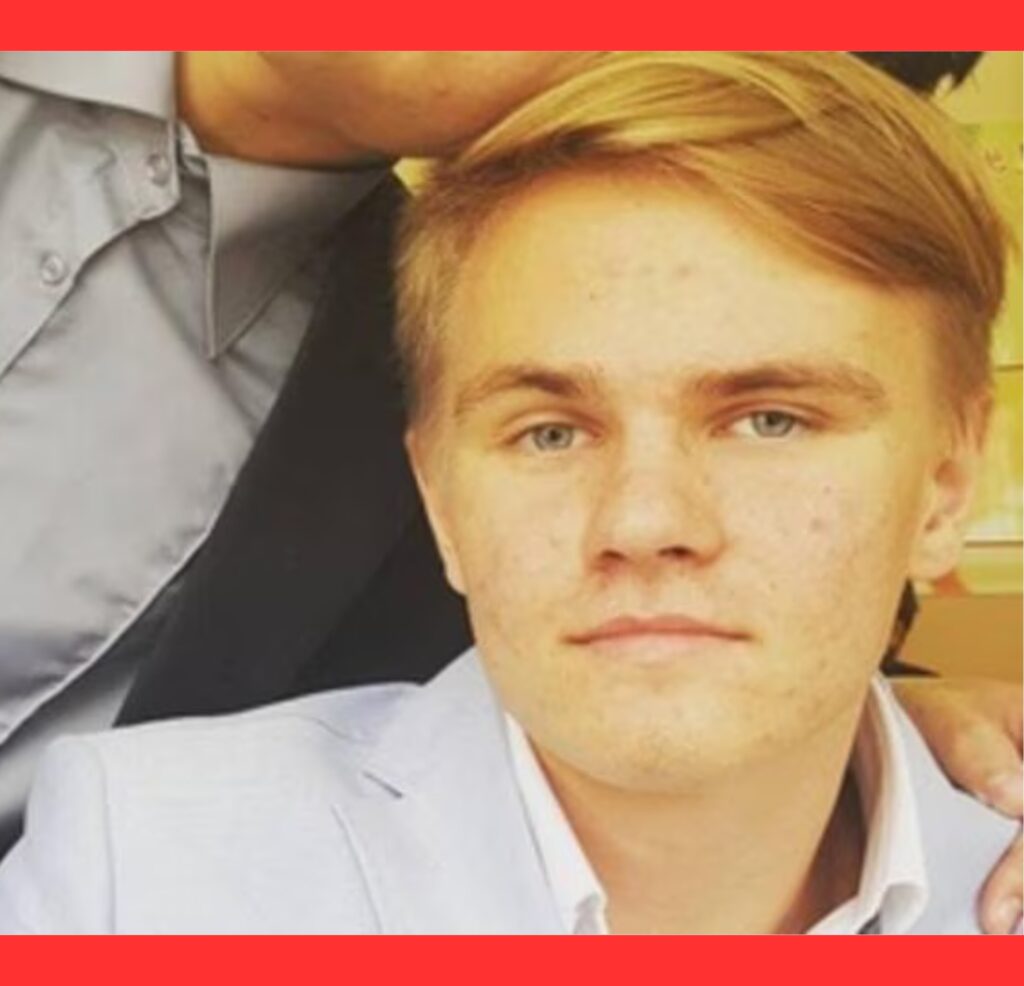
As dusk settled in, visibility worsened on the slippery rooftop. Retrovsky positioned himself near the precipice, adjusting his grip and the rope for what he hoped would be his most striking image yet.
Witnesses later recounted hearing brief shouts before the unthinkable happened.
The rope, meant to hold his weight securely, suddenly snapped or slipped loose under the strain.
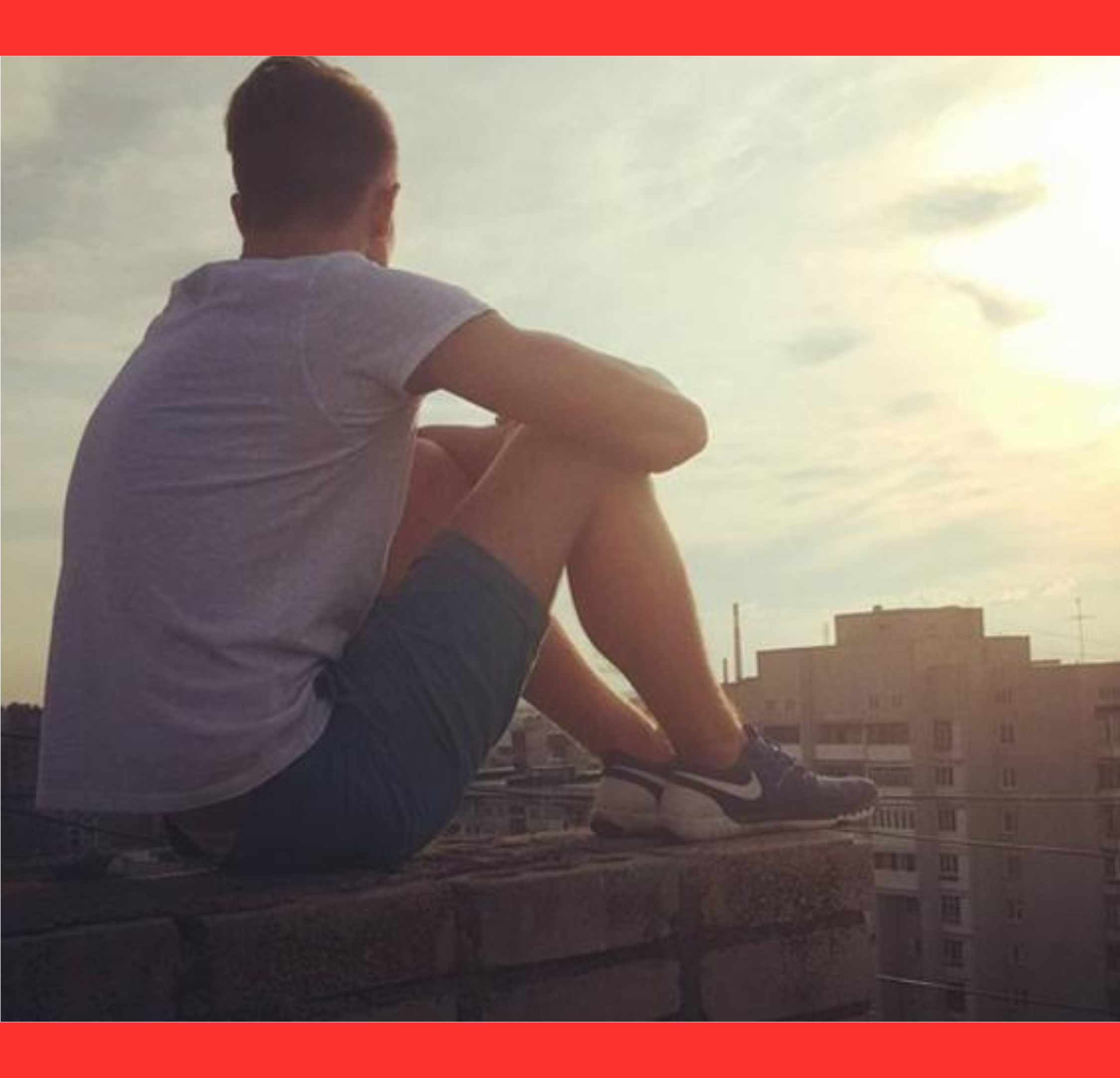
The teenager plummeted nine stories to the ground below.
Bushes at the base of the building partially cushioned his fall, preventing instantaneous death but inflicting catastrophic injuries.
Emergency services rushed to the scene, where Retrovsky was found conscious but severely hurt.
Paramedics transported him to a local hospital for urgent treatment.
Doctors worked tirelessly for nearly two hours to stabilize the young man, addressing multiple fractures, internal bleeding, and trauma from the impact.
Despite their efforts, Andrey Retrovsky succumbed to his extensive injuries.
His death sent shockwaves through Vologda, where he was remembered by classmates and neighbors as an energetic, creative boy with a bright future ahead.

Friends described Retrovsky as someone who lived for the adrenaline of capturing unique perspectives from forbidden heights.
His final Instagram post, uploaded shortly before the climb, showed the green ropes he planned to use, hinting at his excitement for the upcoming stunt.
The image now stands as a haunting reminder of risks many overlook in pursuit of viral content.
Retrovsky’s passing was part of a troubling wave of selfie-related fatalities sweeping Russia in the mid-2010s.
Authorities noted a spike in deaths and injuries from similar daredevil behaviors, prompting the government to introduce the “Safe Selfie” campaign.
This initiative aimed to educate youth on the hazards of risky photography and encourage safer alternatives for self-expression online.

Community leaders and safety experts have since called for greater parental oversight and school programs addressing social media pressures.
They emphasize that while platforms reward boldness, the consequences of such actions can be irreversible.
Retrovsky’s story has been cited repeatedly in discussions about digital-age recklessness.
As investigations concluded that no foul play was involved, focus shifted to prevention.
Andrey’s family requested privacy amid their grief, hoping his loss would inspire others to think twice before climbing to dangerous heights for likes or followers.
His legacy lingers as both a cautionary tale and a symbol of youthful exuberance gone awry.