
In the glittering chaos of Hollywood friendships, few have sparked as much fascination—and outright skepticism—as the one between Cynthia Erivo and Ariana Grande.
The Wicked stars have shared screens, stages, and seemingly their souls, yet their closeness continues to divide fans and fuel endless online speculation.
Now, Erivo is stepping forward with unfiltered honesty, peeling back the layers on what many misunderstood from the start.
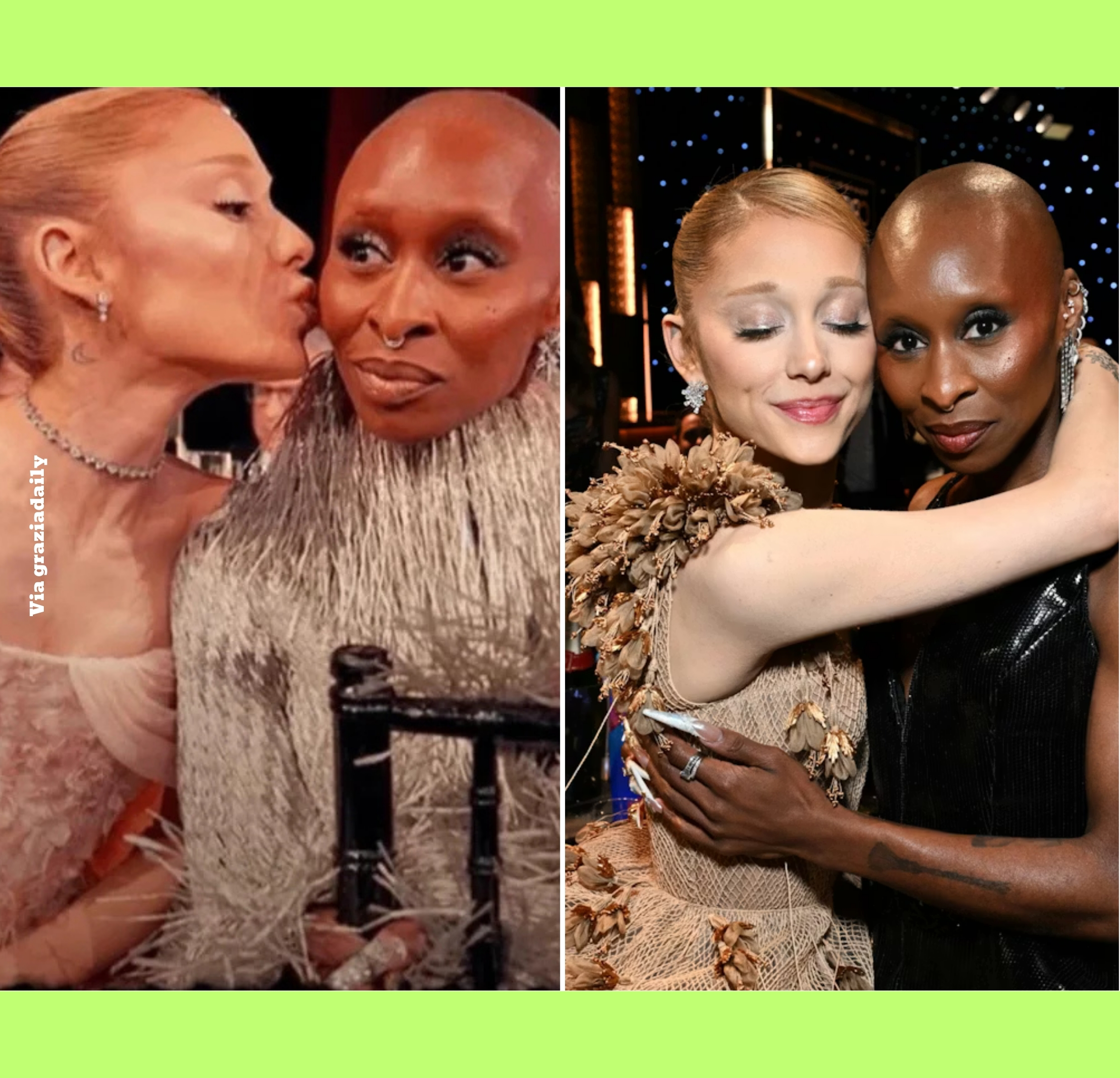
Her words cut through the noise like a quiet storm.
“I think people didn’t understand…” she began in a recent candid sit-down, her voice carrying the weight of someone tired of defending what feels pure and real.
It wasn’t a polished PR statement.
It was vulnerable, direct, and steeped in the kind of emotional intelligence that has defined her career.
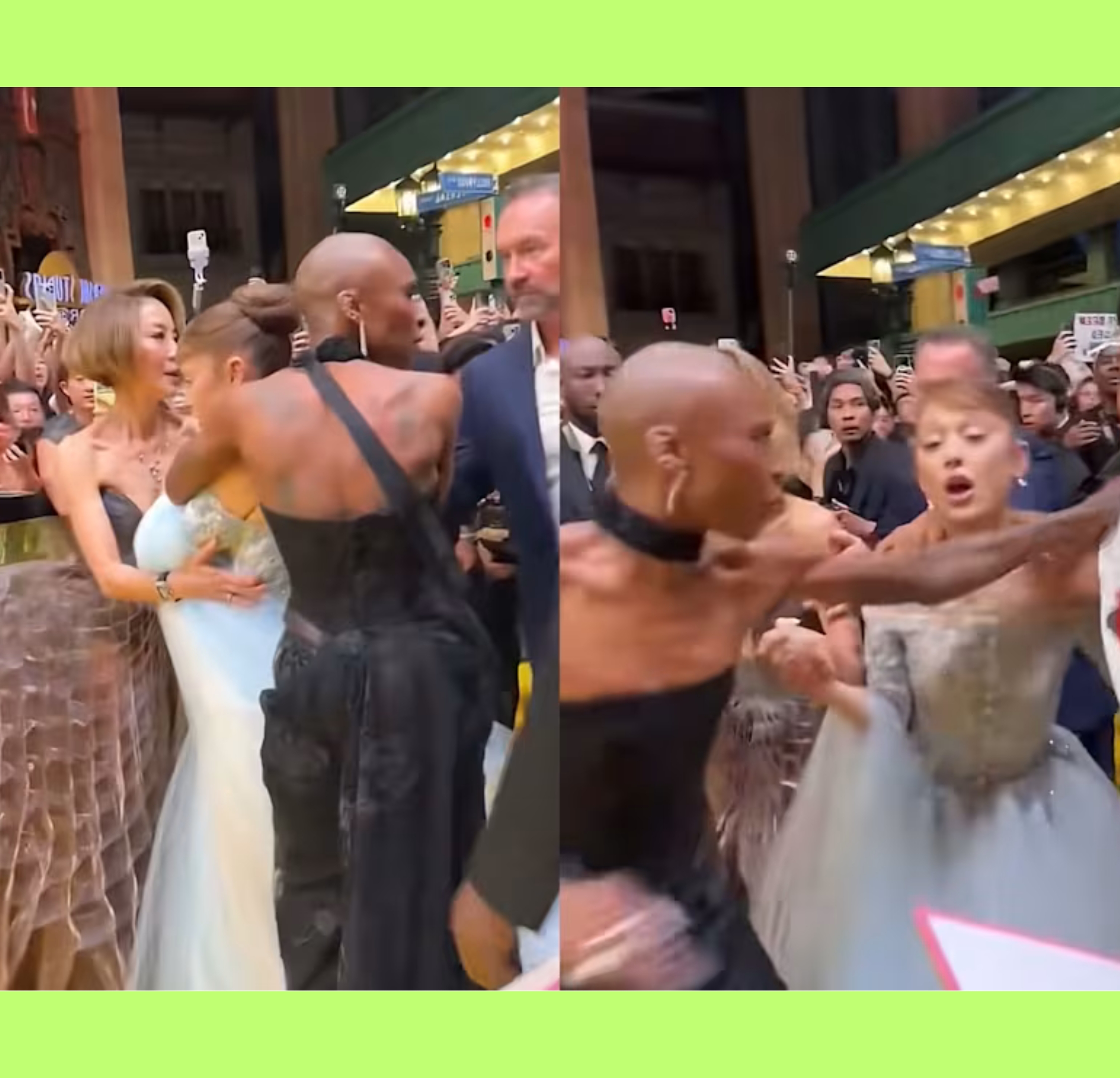
What started as on-set chemistry between Elphaba and Glinda quickly blossomed into something deeper off-camera.
Late-night talks, shared laughter amid grueling press tours, and those now-famous hand-holding moments became public exhibits for judgment.
Some called it performative.
Others whispered about romance. The internet, as it often does, rushed to label what it couldn’t easily categorize.
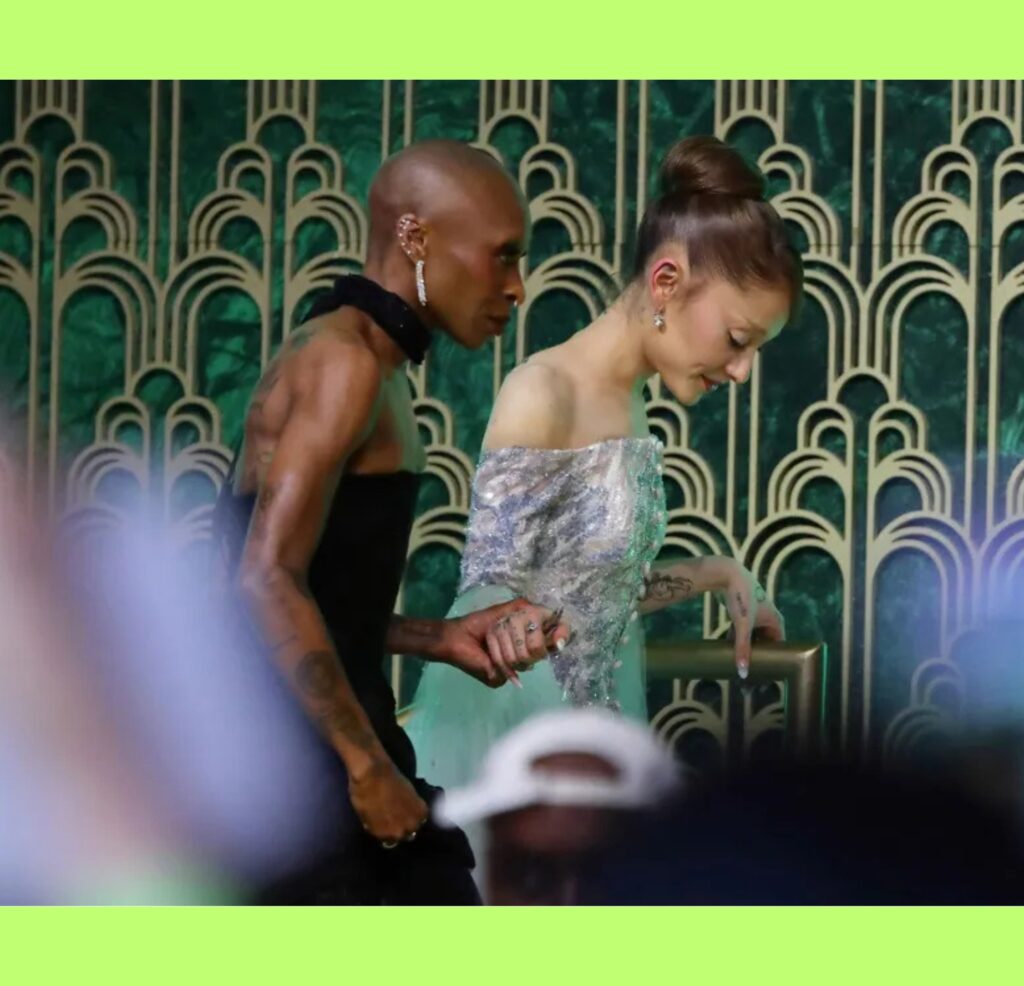
Erivo’s perspective flips the script on our cultural discomfort with intense female platonic love. In a world quick to sexualize affection, two powerful women supporting each other without agenda feels almost revolutionary.
She spoke of the exhaustion that comes when every tender gesture is dissected under a microscope of suspicion, turning sisterhood into tabloid fodder.
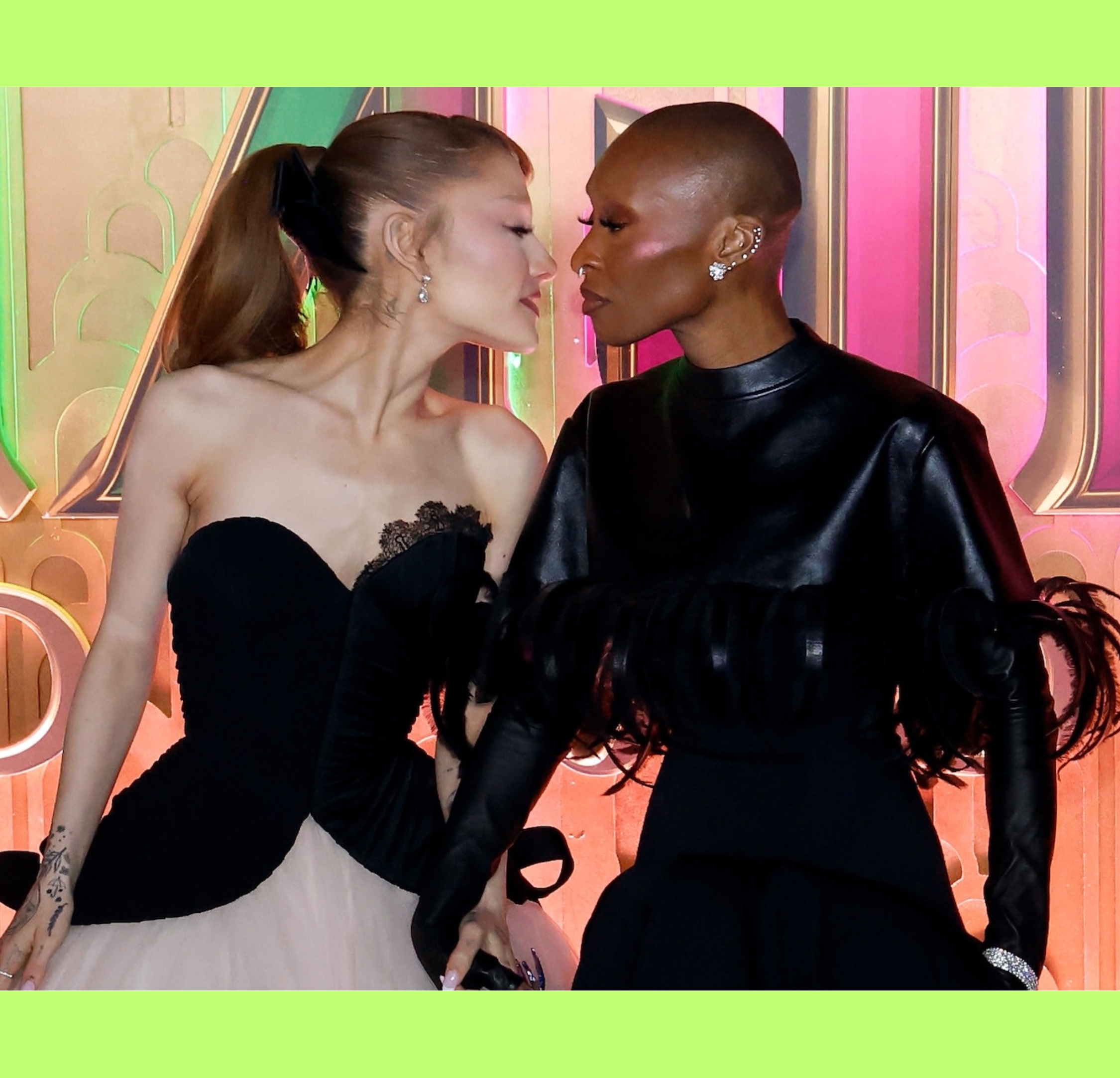
The Oscar-nominated actress didn’t shy away from the absurdity of it all.
Their bond, forged in the magic and madness of bringing Wicked to life, became a mirror reflecting society’s limited templates for women’s relationships.
Joyful embraces at premieres? Must be a stunt.
Protective glances during interviews? Clearly something more.
The narrative wrote itself before they could even finish a sentence.
Yet beneath the controversy lies a story of mutual respect and genuine care.
Erivo described how Grande’s presence grounded her during overwhelming moments, while her own strength offered Ariana a safe harbor from the spotlight’s harsher edges.
This isn’t fragile celebrity camaraderie—it’s the kind of friendship that survives scrutiny because it was never built for applause.
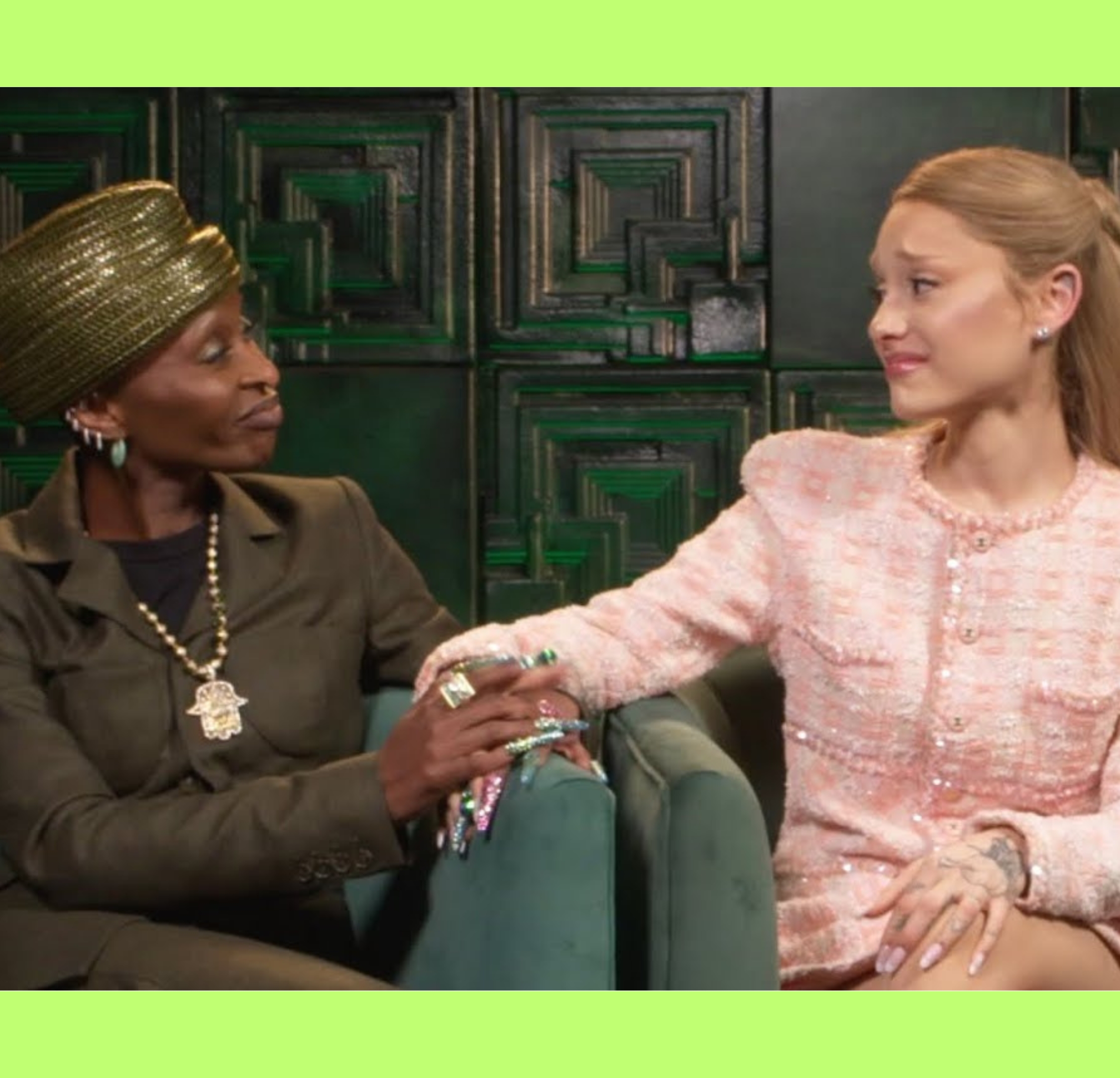
As promotions for Wicked: For Good roll on, the pair continues turning heads, but now with Erivo’s words echoing louder than the rumors.
She hopes their example challenges fans to embrace complexity: women can be close, affectionate, and powerful together without fitting into neat romantic boxes.
Her message resonates far beyond one film. In an era of curated personas and viral hot takes, Erivo’s defense feels like a call for nuance.
People didn’t understand because they weren’t ready to see friendship in its fullest, most unapologetic form—raw, supportive, and beautifully defiant.
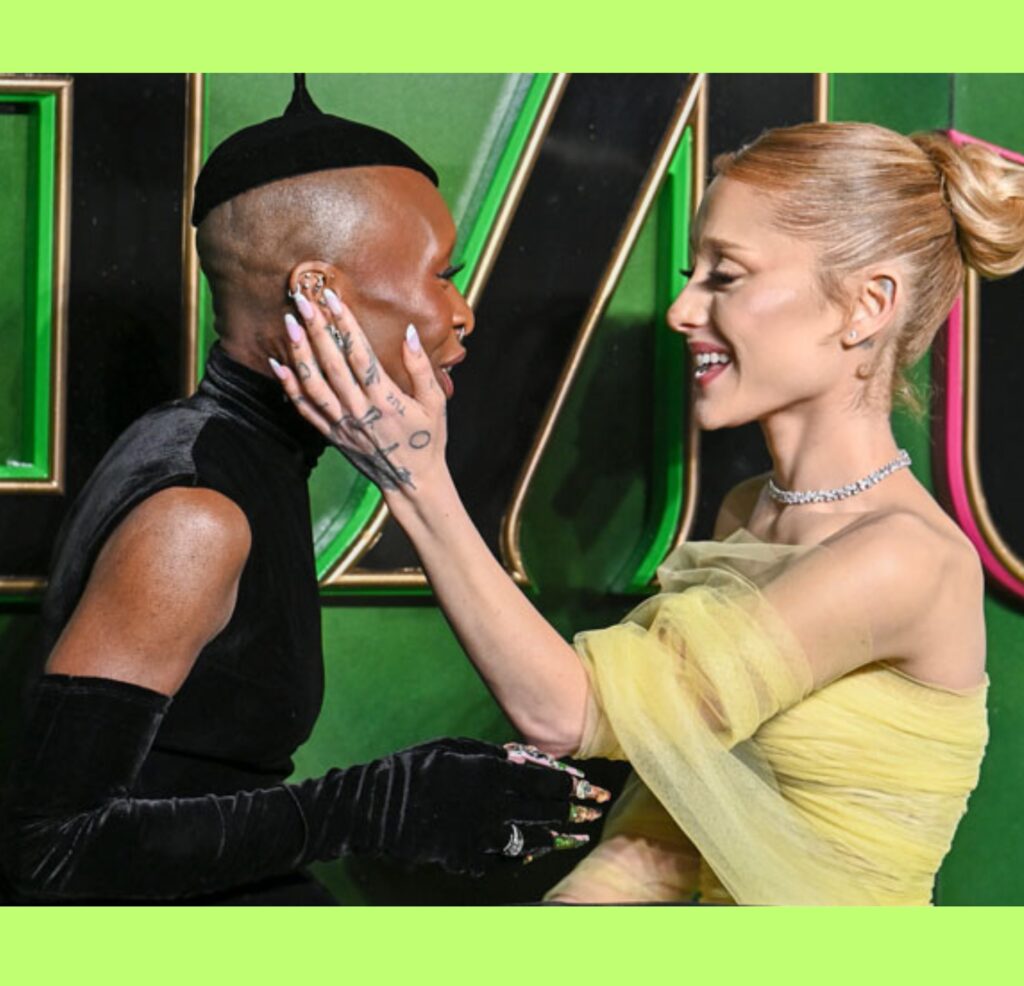
The conversation she’s ignited isn’t just about two stars. It’s about rewriting the rules on how we perceive connection in the public eye.
And if Erivo’s words are any indication, their story is far from over; it’s only beginning to inspire.
True friendship, she reminds us quietly but firmly, needs no explanation—just space to exist without apology.
In speaking out, Cynthia Erivo has given that gift not only to Ariana Grande but to anyone watching who yearns for the same unfiltered bond.