
In the shadowy corners of Victorian London, Joseph Merrick emerged as one of the most enigmatic figures of his era.
Dubbed the Elephant Man, his severely deformed body both terrified onlookers and sparked intense scientific curiosity.
Merrick’s life embodied the intersection of human dignity and medical mystery, captivating audiences then and now.

Born Joseph Carey Merrick in Leicester on August 5, 1862, he entered the world appearing perfectly healthy.
However, by age five, strange growths began manifesting on his skin and bones.
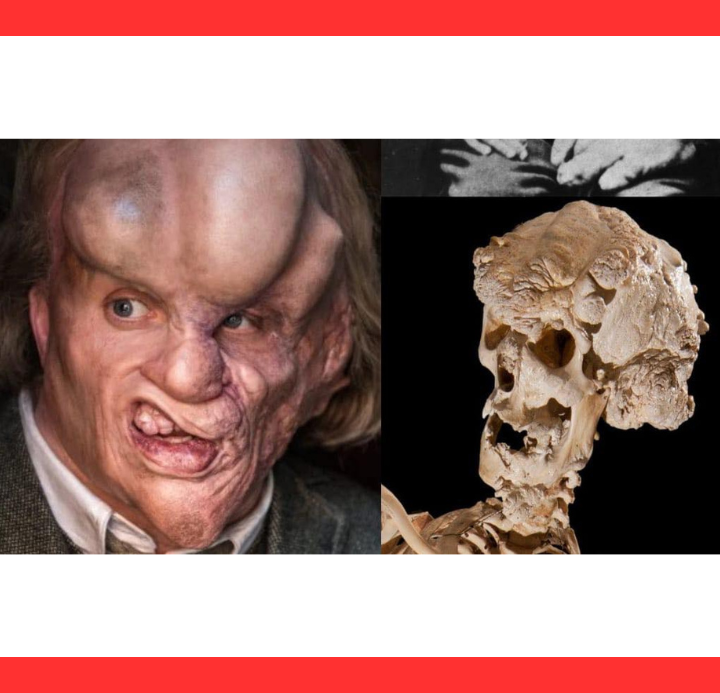
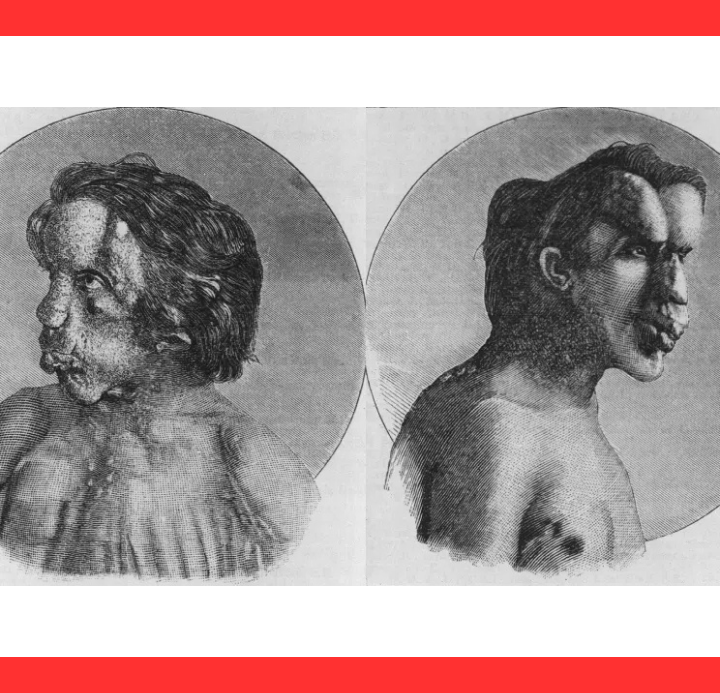
Thick, lumpy tissue and bony protrusions gradually distorted his features, leading his family to believe his mother’s fright by an elephant during pregnancy caused the affliction.
Following his beloved mother’s death in 1873, young Merrick faced escalating hardships.
His father remarried, and family rejection forced him into menial jobs and eventually the Leicester workhouse.
Unable to secure conventional employment due to his appearance and speech difficulties, he sought a different path.

Merrick contacted showmen who exhibited him as “the Elephant Man” in freak shows across Britain and Europe.
Crowds paid to gawk at his unusual form, while he earned money hoping for independence.
In 1884, London surgeon Frederick Treves examined him, bringing Merrick’s case to medical attention through photographs and lectures.

After a disastrous tour abroad where he was robbed and abandoned, Merrick returned to London in 1886, penniless and ill.
Treves arranged his admission to the London Hospital.
Though not designed for permanent residents, generous public donations following an appeal in The Times enabled Merrick to stay in private rooms.

Within the hospital’s protective walls, Merrick found friendship and respect. Dr. Treves became a devoted companion, engaging in deep conversations that revealed Merrick’s gentle nature, sharp intelligence, and love for literature.
He crafted elaborate card models and wrote poetry, defying expectations.
High society figures, including actress Madge Kendal and Princess Alexandra, visited him, offering gifts and kindness.
These encounters provided Merrick rare joy and validation.
He cherished a photograph of his mother and dreamed of a more normal existence.
Merrick’s condition puzzled 19th-century physicians.
His massive head, deformed limbs, and pendulous skin growths defied easy diagnosis.
Once thought to be neurofibromatosis or elephantiasis, experts now favor Proteus syndrome, a rare genetic disorder causing uncontrolled tissue overgrowth.
DNA tests remain inconclusive.
Despite medical care, Merrick suffered constant discomfort.

His enlarged head required him to sleep upright to avoid suffocation.
Mobility was limited, and he endured social isolation outside his sanctuary.
On April 11, 1890, at just 27 years old, Merrick died.
He was discovered lying down, an attempt that likely dislocated his neck and caused asphyxiation.
An autopsy confirmed the extent of his skeletal and tissue abnormalities.
Merrick’s legacy endures through David Lynch’s 1980 film and numerous books.
His story reminds us of humanity’s capacity for both cruelty and compassion while underscoring the importance of advancing genetic research to unravel such mysteries that once terrified and fascinated the world.