
In the heart of rural Nagpur, India, Sanju Bhagat spent his days as a hardworking farmer, cultivating fields and living a simple life.
Little did he or anyone around him know that his body concealed a profound medical anomaly that had been developing since before his birth.
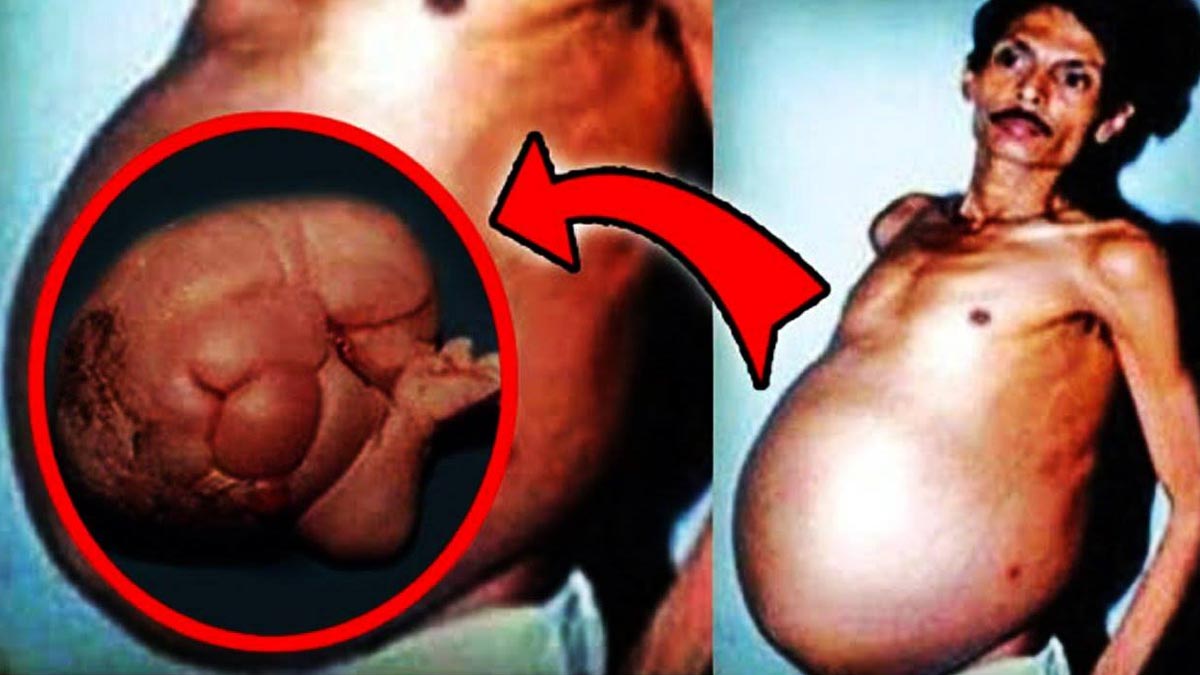
Foetus In Fetu Rare Medical Phenomenon Diagnosed In Maharashtra | OnlyMyHealth
From an early age, Bhagat’s abdomen was noticeably distended, drawing curious stares and cruel taunts from villagers who jested that he appeared pregnant.
Despite the constant discomfort and social embarrassment, Bhagat pushed through, focusing on his livelihood without ever consulting a doctor.
The swelling, which had been a part of his existence for 36 years, suddenly became a life-threatening issue in June 1999.
Unable to breathe properly due to the massive pressure on his diaphragm, the 36-year-old was urgently transported by ambulance to Tata Memorial Hospital in Mumbai.
Upon examination, doctors suspected a large tumor or abnormal fluid buildup in his abdomen. Dr. Ajay Mehta, the attending surgeon, decided that emergency surgery was necessary to relieve the compression and save Bhagat’s life.
As the surgical team opened Bhagat’s abdomen under anesthesia, they anticipated removing a typical mass. Instead, what they encountered left everyone in the operating room stunned and speechless.
Mehta carefully extracted a strange, fleshy structure that resembled a malformed human body. It featured distinct limbs, a head-like form, hair, and even tiny fingernails on its hands and feet.
Further inspection revealed the mass to be the remains of Bhagat’s parasitic twin, complete with bones, jaws, and genital structures. This twin had lived inside him as a fetus in fetu, drawing nourishment from his blood supply all those years.
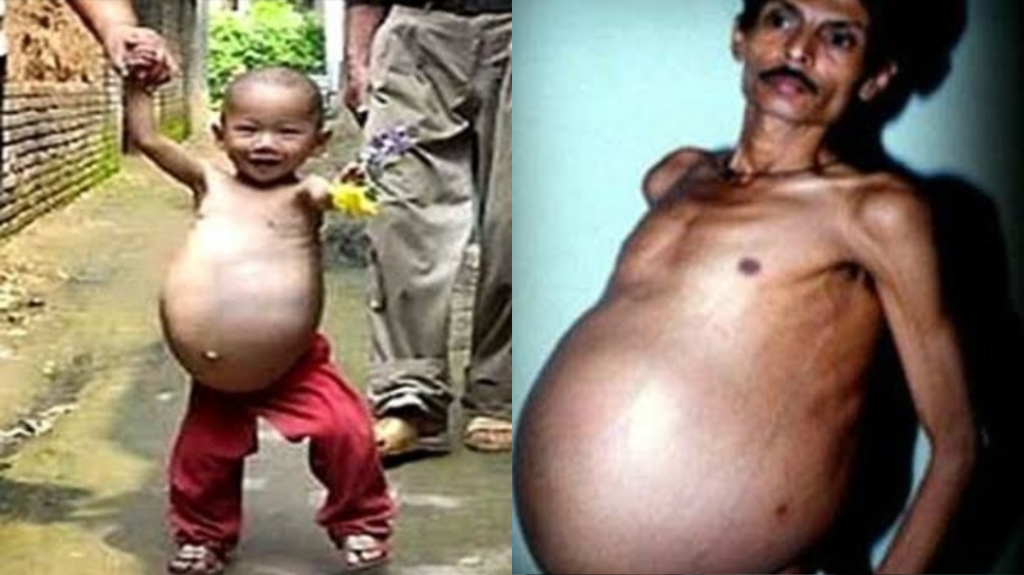
Sanju Bhagat’s Twin Lived Inside Him For 36 Years / Via historydefined.net
Fetus in fetu is an extremely rare congenital condition where one twin becomes enveloped by the other during early embryonic development. The absorbed fetus survives parasitically, often undetected until it grows large enough to cause complications in the host.
Medical literature records fewer than 90 such cases globally, with males being affected more often. Bhagat’s case provided valuable insights into this bizarre phenomenon and the intricate processes of human fetal development.
Following the successful removal of the parasitic twin, Bhagat recovered remarkably quickly. He felt immediate relief from the breathing difficulties that had plagued him, though the story of his “internal brother” became a source of ongoing local fascination and light-hearted teasing.
The case of Sanju Bhagat remains a testament to the wonders and mysteries of the human body, reminding us that even in modern medicine, astonishing discoveries can still emerge from the most unexpected places.