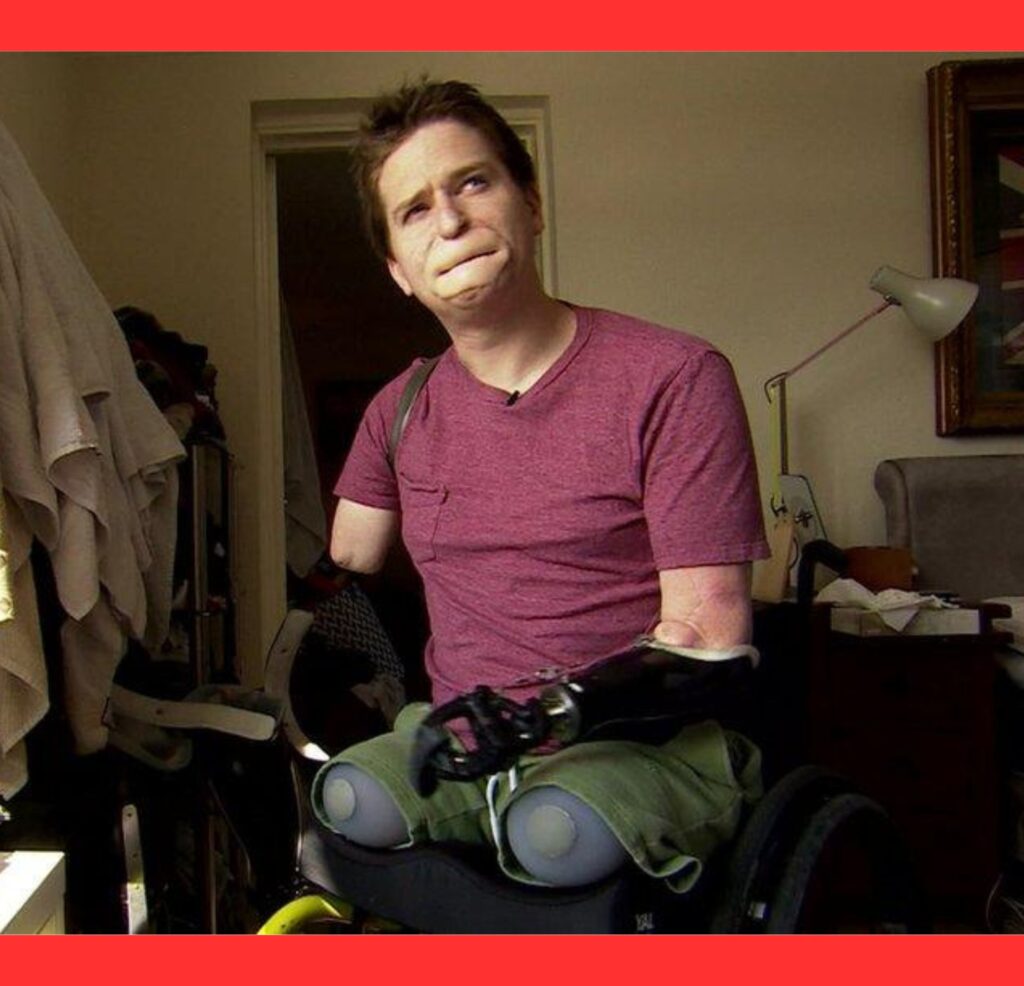
Alex Lewis was living an ordinary yet fulfilling life in rural Hampshire, England.
As a pub owner and dedicated family man, he spent his days caring for his young son Sam and supporting his partner Lucy.
In early November 2013, everything changed when he came down with what seemed like a common cold or “man flu.”
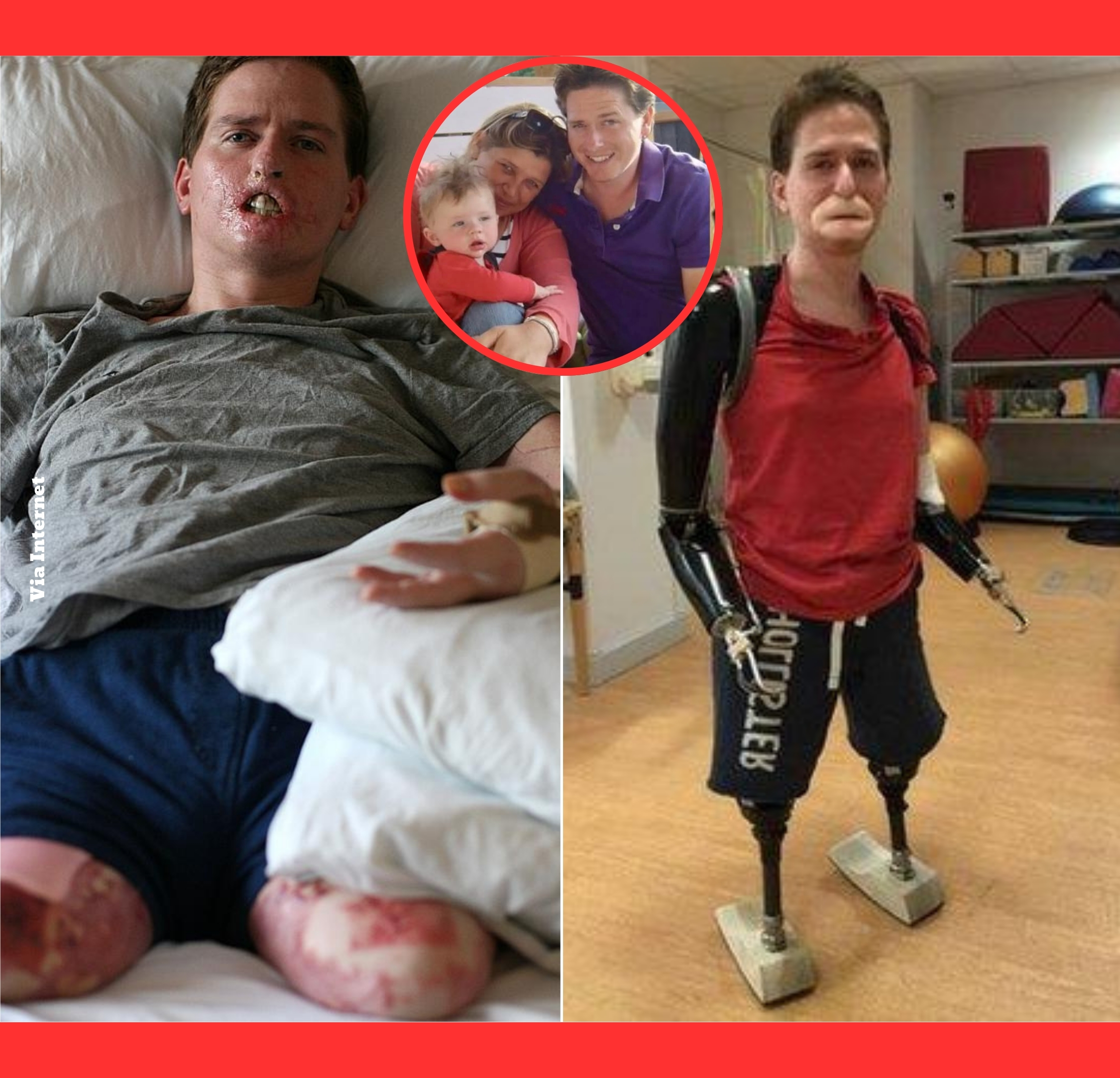
Initially dismissing the symptoms as nothing serious, Alex continued with his routine. However, within a few days, the illness took a terrifying turn.
His condition worsened rapidly, with high fevers, extreme fatigue, and unusual skin changes appearing.
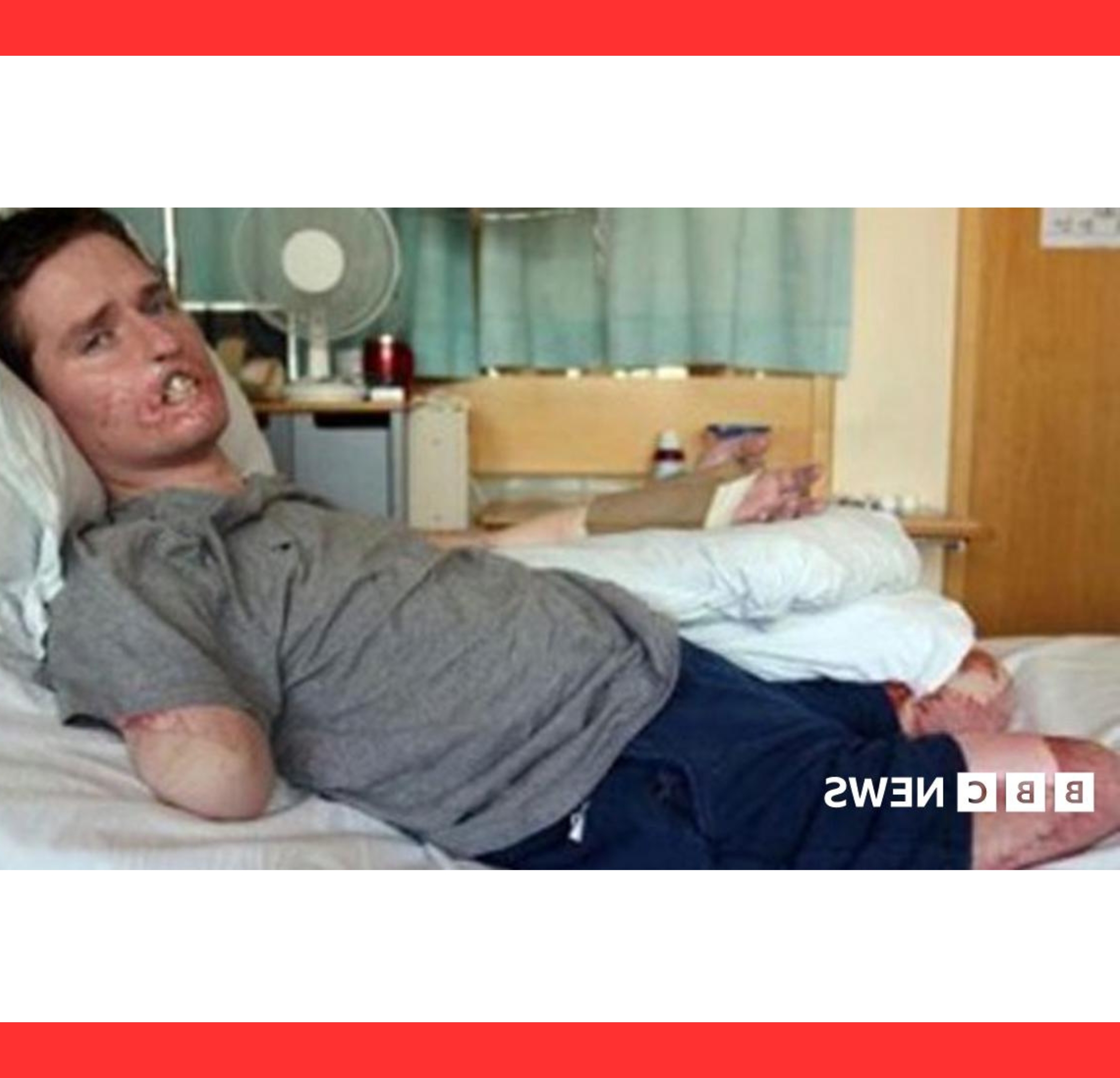
Alarmed by blotchy, purple-tinged skin and blood in his urine, Lucy insisted on seeking medical help.
Alex was rushed to the hospital where doctors immediately recognized the severity of his situation.
What Alex thought was the flu was actually a rare and aggressive Group A Strep infection.
It had triggered toxic shock syndrome and septicemia, poisoning his blood and threatening multiple organs.
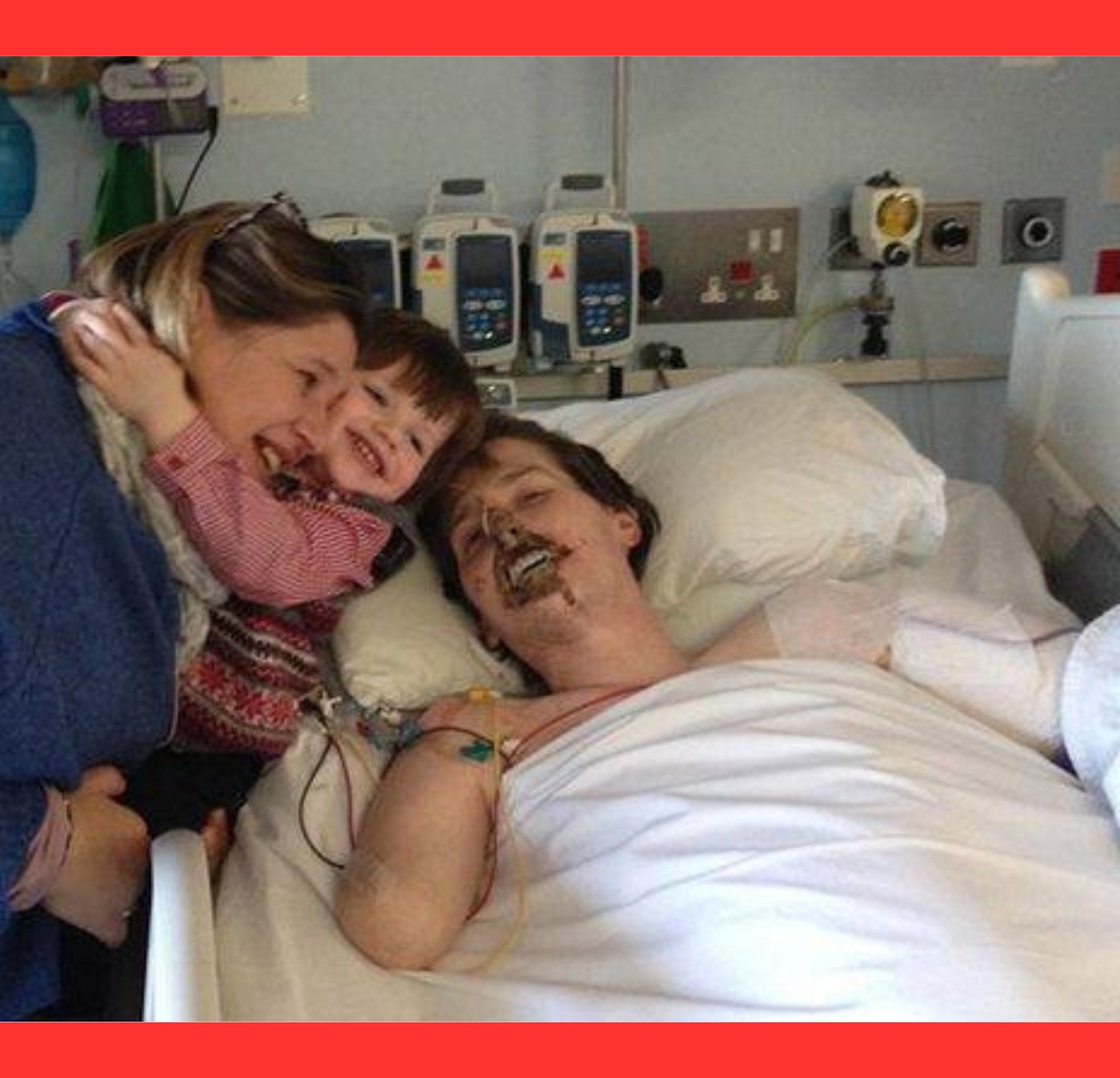
Placed in intensive care and induced into a coma, Alex fought for his life.
Medical staff gave him a shockingly low survival probability of around 3 to 5 percent during the critical first days.
To prevent the infection from claiming his life, doctors made the difficult decision to amputate his limbs.
The necrosis was advancing quickly, leaving no other options.
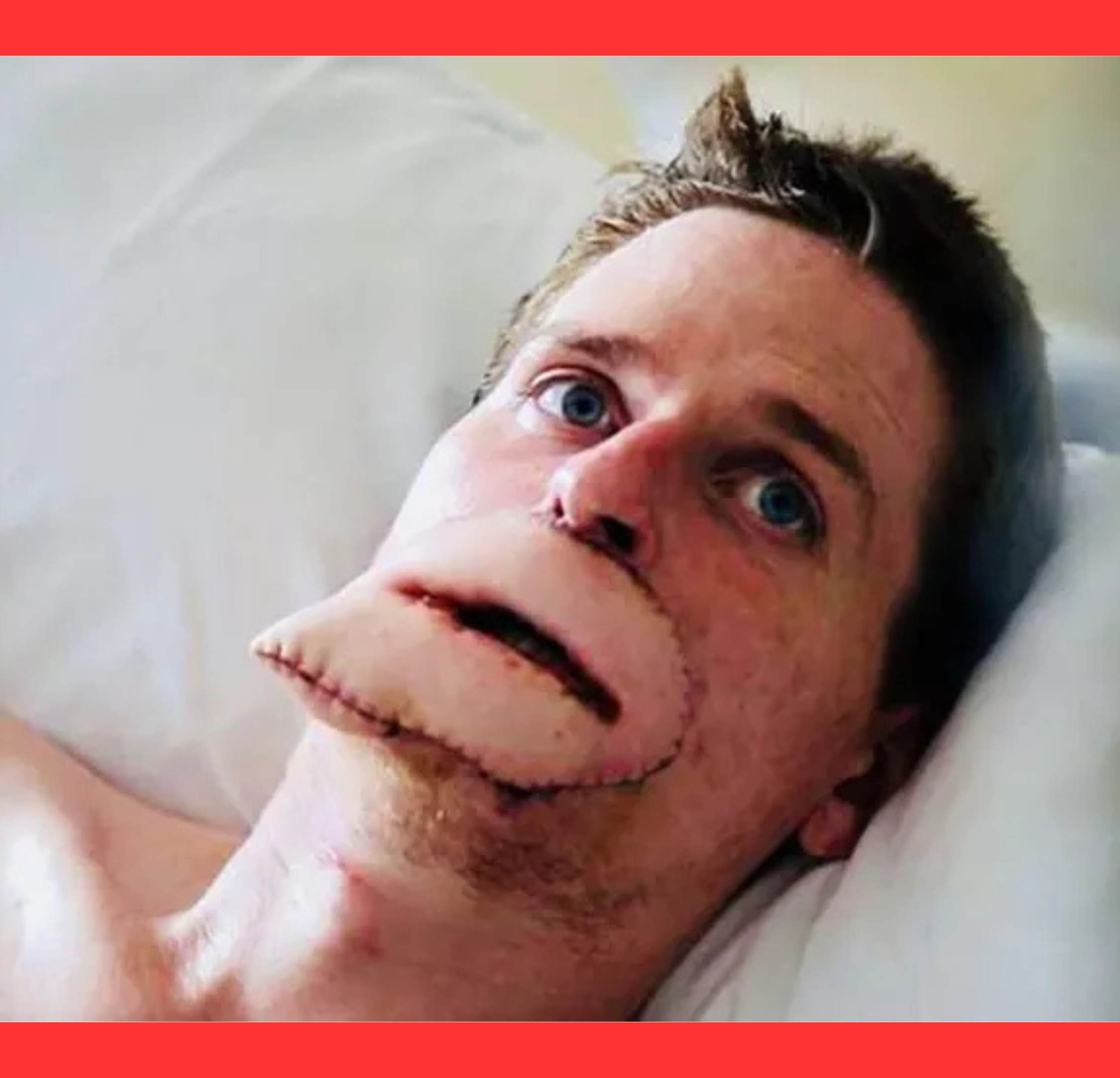
In the months that followed, Alex endured numerous operations.
Both legs were amputated above the knee, his left arm above the elbow, and six months later, his right arm below the elbow was also removed.
The bacterial invasion also attacked his face, leading to tissue damage that required extensive reconstructive surgery.
Parts of his face, including his lips and nose area, were affected, drastically altering his appearance.
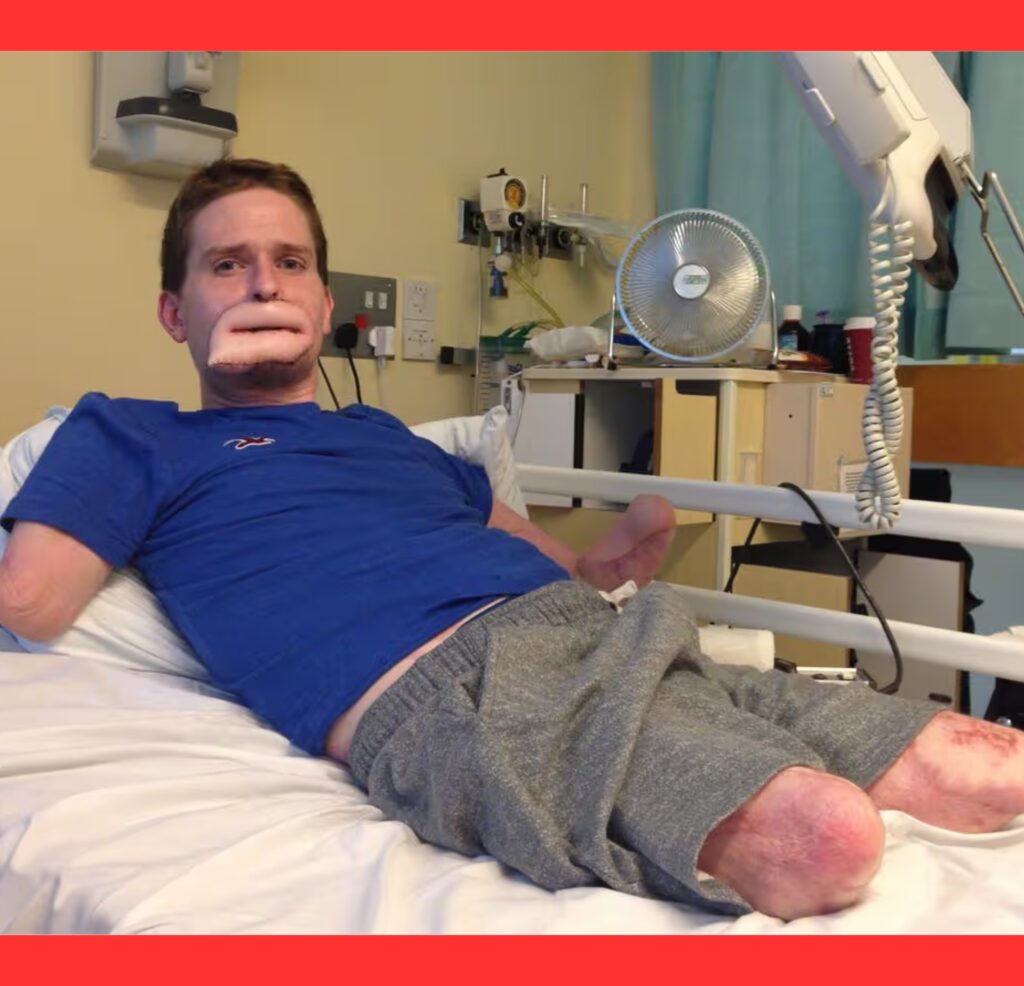
Awakening from his ordeal, Alex faced not only physical loss but emotional challenges. His young son Sam was initially scared by his father’s new look and hesitated to kiss him.
Through sheer determination and support from family, Alex began his long rehabilitation.
He learned to use prosthetics and adaptive technologies, gradually regaining independence.
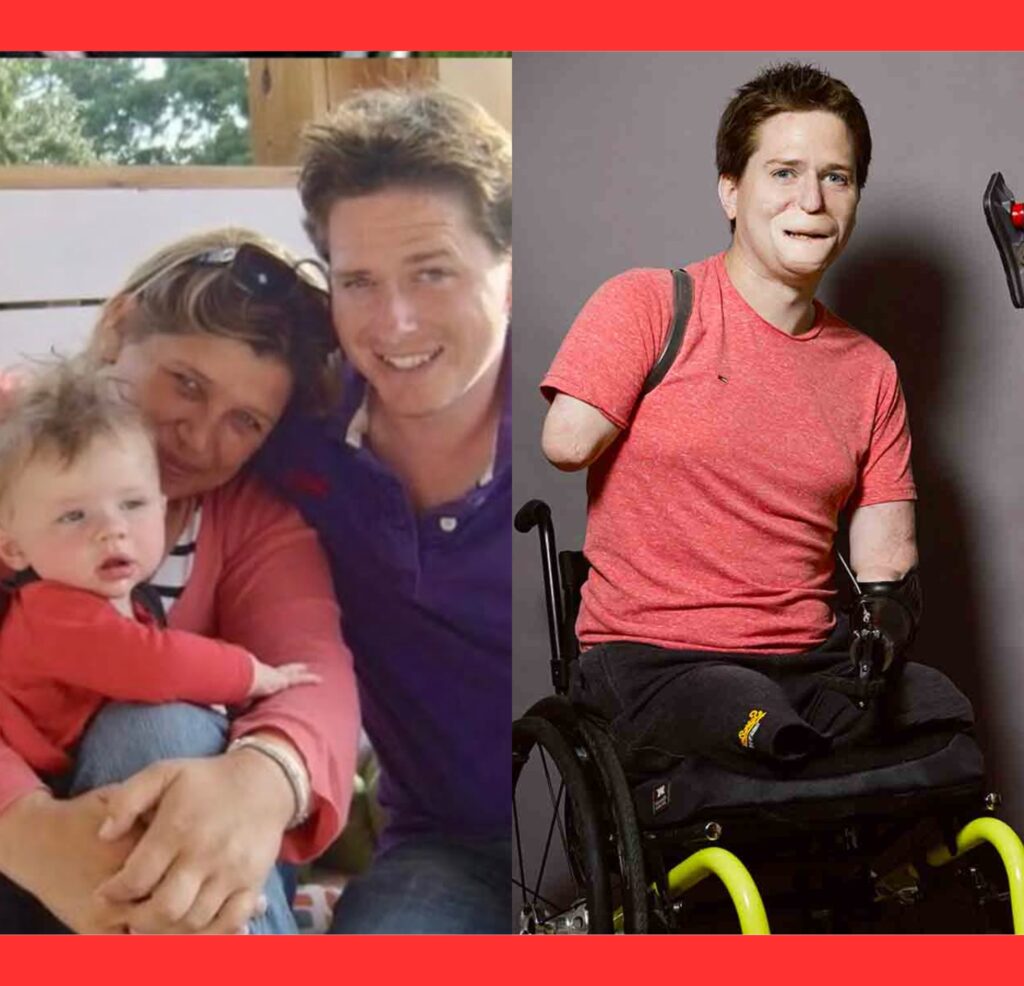
Today, Alex Lewis is an inspiration.
Through the Alex Lewis Trust, he advocates for better assistive technology and shares his story to raise awareness about sepsis and strep infections, proving that life after such trauma can be incredibly meaningful.