
In the fight against sexual violence, innovative yet controversial solutions have emerged from the most desperate circumstances.
One such invention is Rape-Axe, a unique female condom designed to deter and incapacitate potential rapists.
Developed in South Africa, where rape statistics are alarmingly high, this device represents a proactive approach to personal safety.
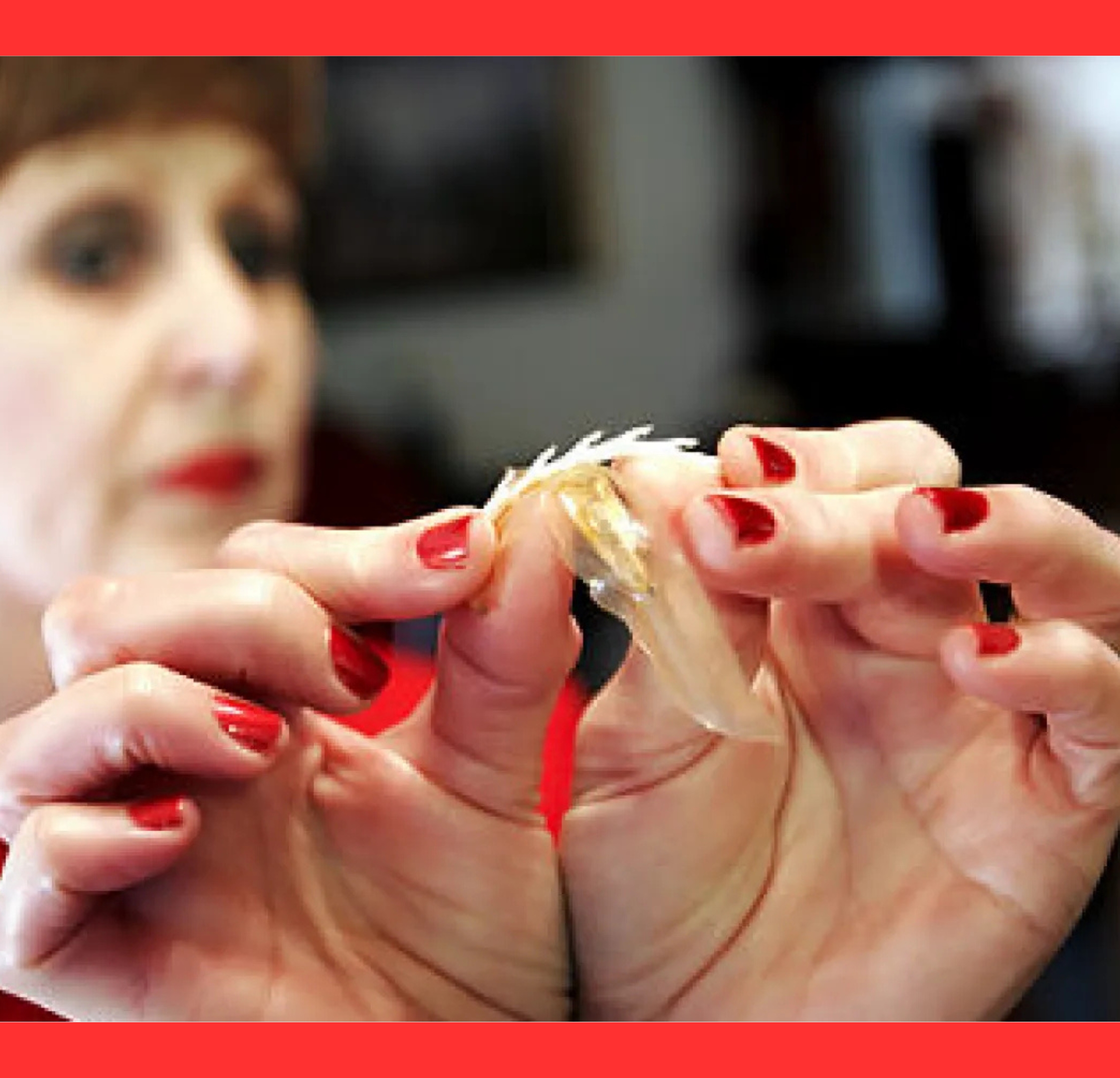
Dr. Sonette Ehlers, a medical researcher, conceived the idea after counseling numerous rape victims over decades.
The inspiration struck when one survivor expressed a haunting wish: “If only I had teeth down there.”
This led Ehlers to create a device that could literally “bite back” at attackers, turning vulnerability into a defensive weapon.
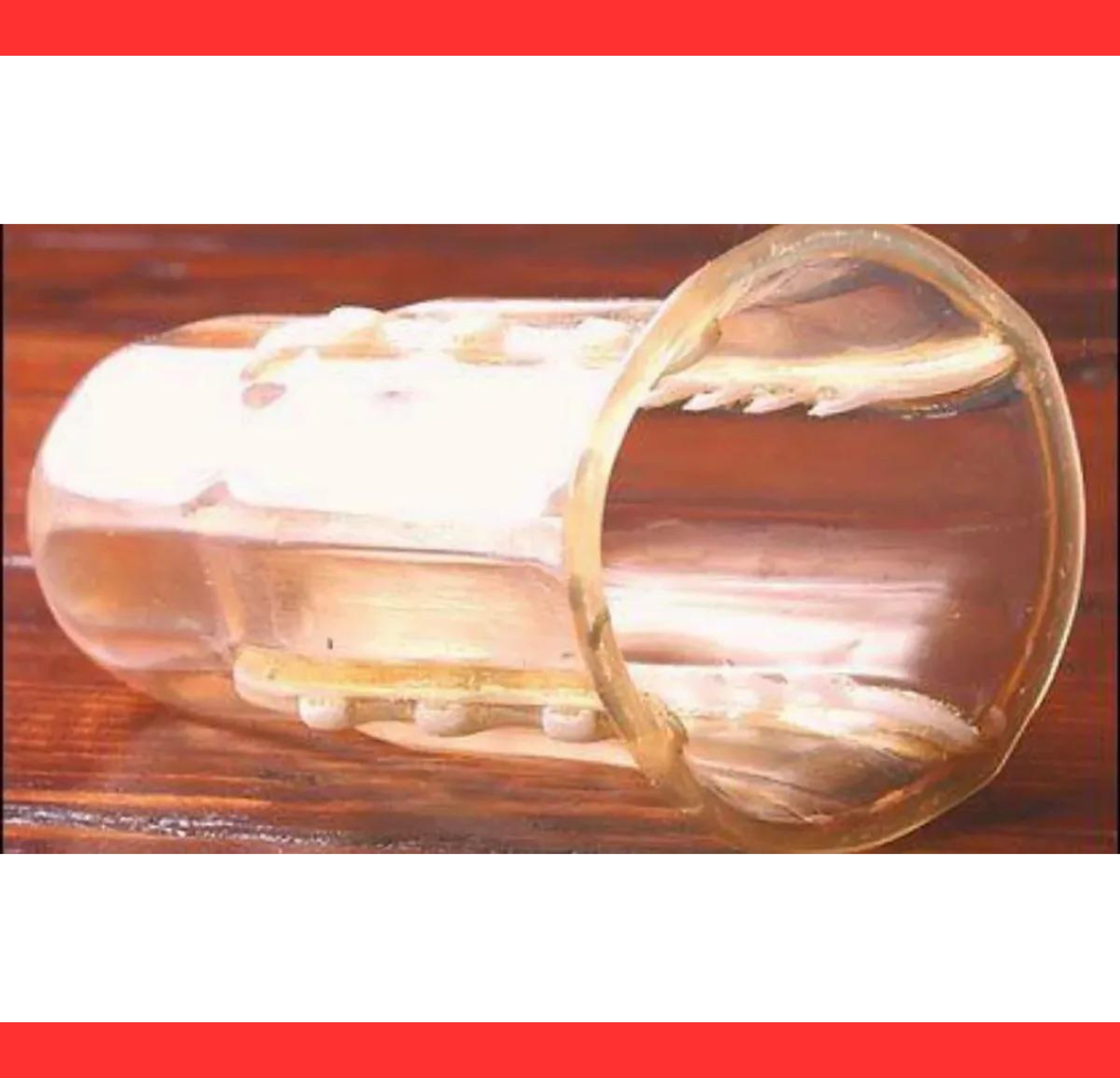
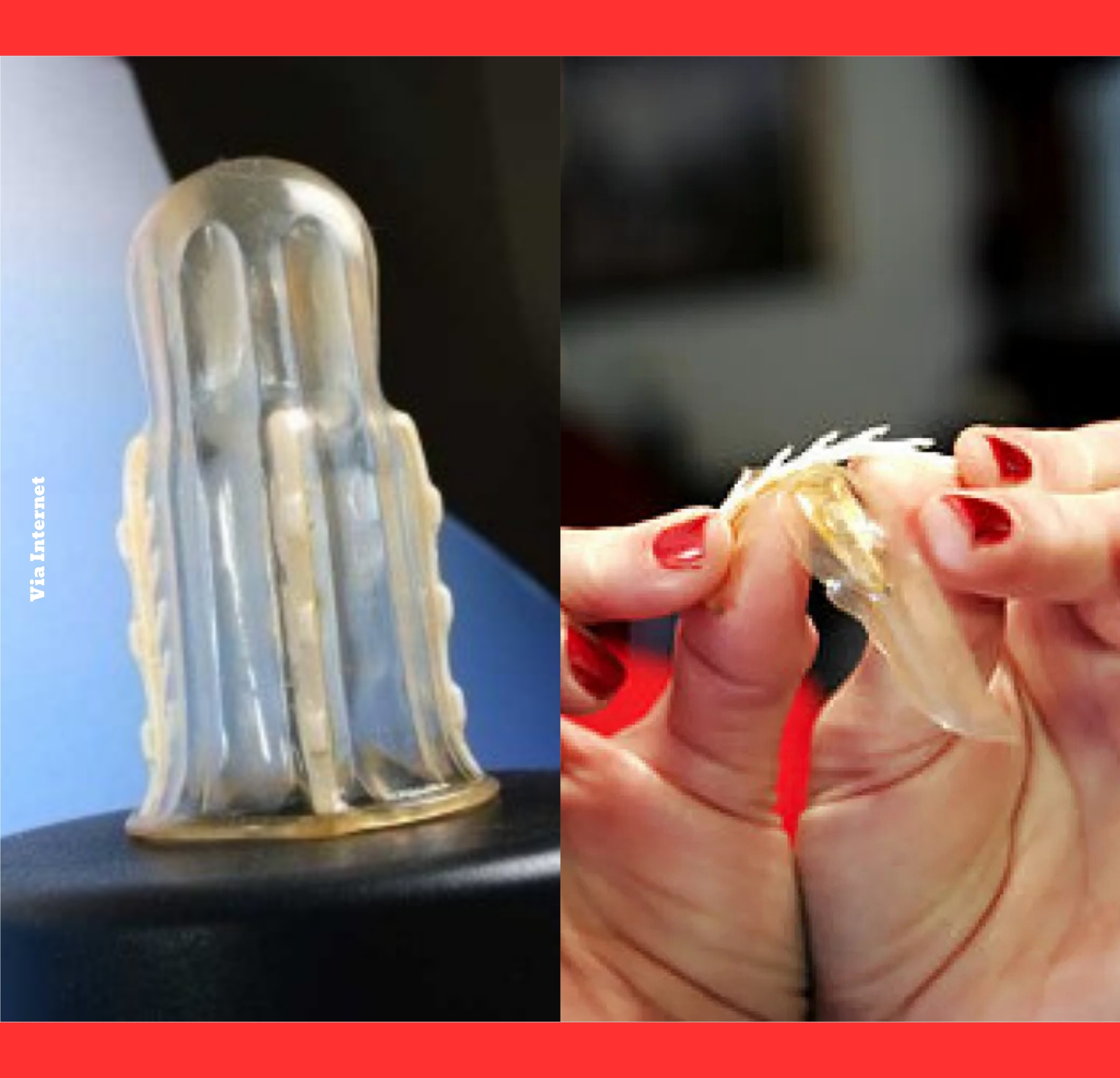
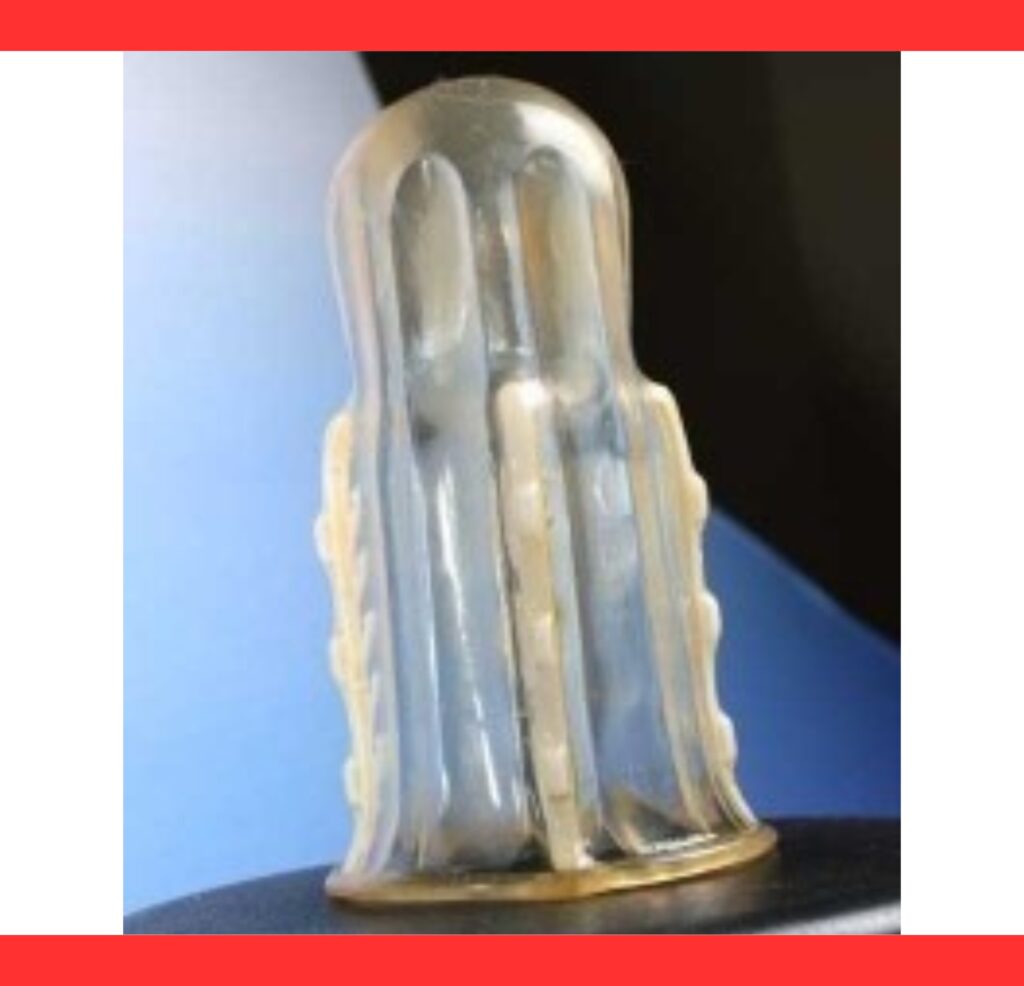
Rape-Axe is a latex sheath embedded with inward-facing barbs or hooks. It is inserted into the vagina using an applicator similar to a tampon.
Once in place, it lies discreetly behind the labia, ready to activate only in the event of non-consensual penetration.
Upon attempted rape, the device expands slightly as the penis enters, allowing the sharp barbs to latch onto the skin of the attacker.
This causes immediate and intense pain without necessarily drawing blood or causing permanent damage.
The hooks grip tightly, making withdrawal extremely difficult and painful.
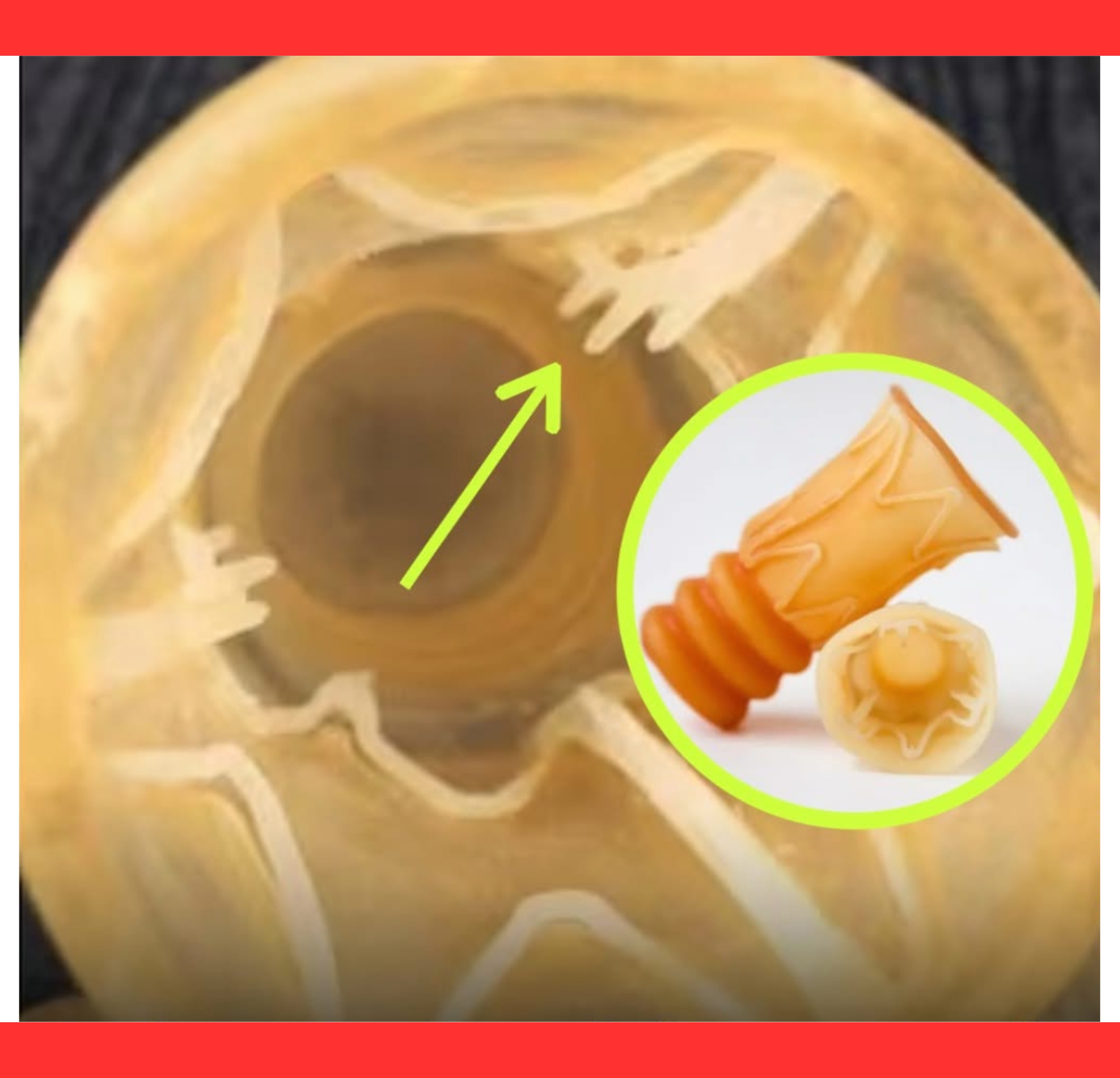
The trapped attacker is left in excruciating discomfort, unable to easily remove the device himself.
Walking or even urinating becomes nearly impossible while attached, providing the victim with crucial time to escape and seek help.
Medical professionals are the only ones who can safely remove Rape-Axe, typically through a minor surgical procedure.
This requirement ensures that the perpetrator must seek hospital treatment, where authorities can be alerted, aiding in identification and prosecution.
Supporters of the device argue it empowers women in high-risk areas by offering a last-line defense when other measures fail.
During the 2010 FIFA World Cup in South Africa, there was a campaign to distribute thousands of these devices to combat expected increases in sexual assaults.
However, the invention has faced significant criticism.
Detractors worry that it could escalate violence, as a pained and trapped rapist might react with greater aggression toward the victim.
Ethical concerns also arise regarding vigilante-style justice and potential health risks if misused.
Furthermore, some argue that focusing on such devices diverts attention from broader societal issues like education, law enforcement improvements, and cultural changes needed to prevent rape altogether.
Questions about accessibility, cost, and proper usage training remain.
Despite the debates, Rape-Axe highlights the urgent need for better protection against sexual assault globally.
While not a perfect solution, it underscores the creativity born from necessity in addressing gender-based violence.
As discussions on women’s safety continue, inventions like Rape-Axe serve as reminders of the ongoing battle and the importance of innovative thinking alongside systemic reforms.