
Svetlana Roslina, a 24-year-old factory worker and devoted mother of two, died in a horrifying industrial mishap after falling into a massive vat of molten chocolate at a confectionery plant near Moscow.
The incident has sent shockwaves through her community and highlighted serious safety concerns in Russia’s food manufacturing sector.
Roslina was performing routine duties when the tragedy unfolded, leaving her family devastated and prompting an official investigation.
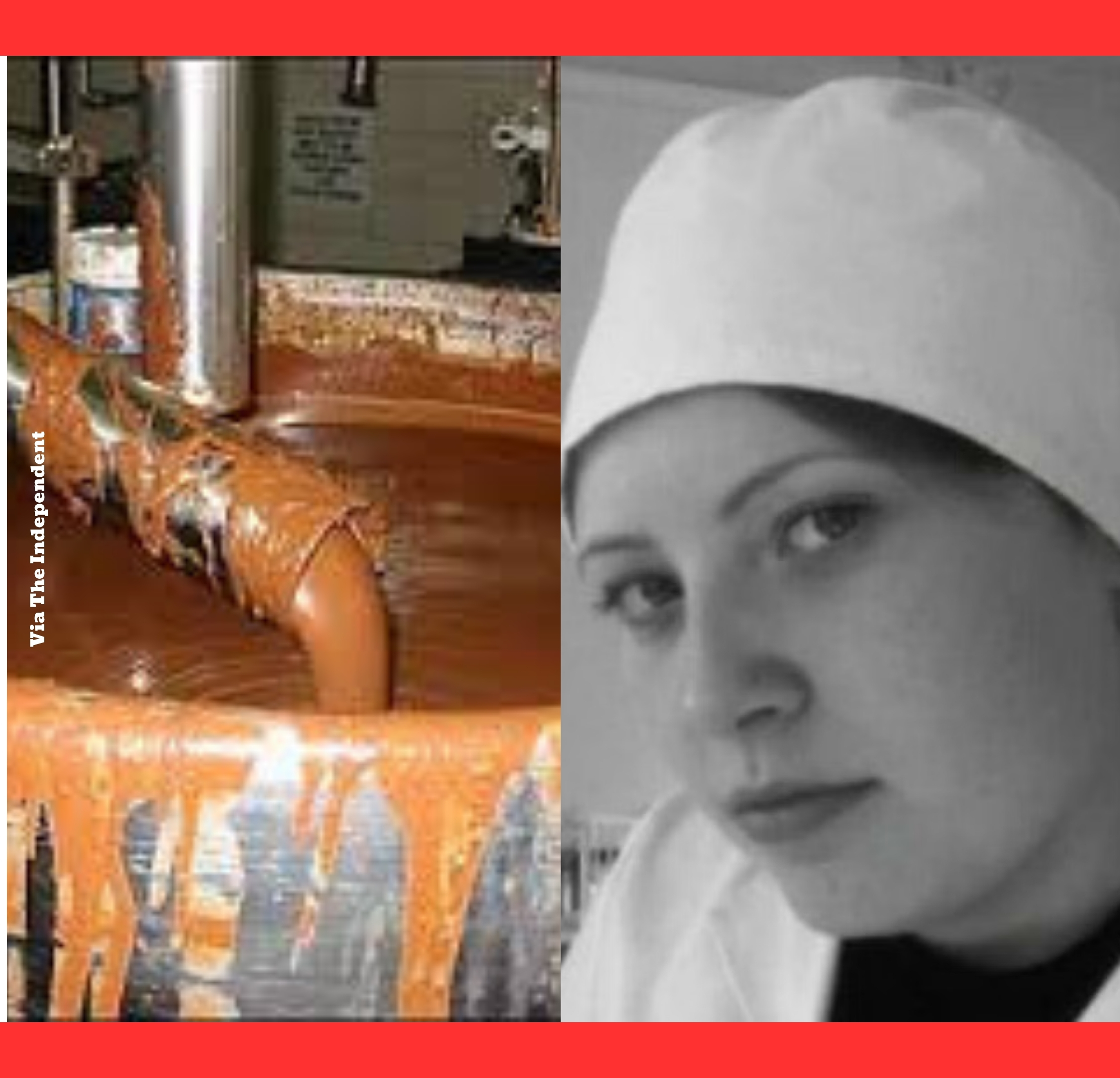
The young woman worked at the Sergiev-Posad confectionery plant in Fedortsovo, about 80 miles northeast of the Russian capital.
Known for producing a variety of sweets, the facility employs hundreds in its production lines where large grinding vats mix ingredients under high heat and mechanical force.
Roslina had been with the company for some time, balancing her job with raising her young children alongside her husband, Vladimir.

Local reports indicate that the accident happened during a regular shift as Roslina operated near one of the enormous chocolate mixing tanks.
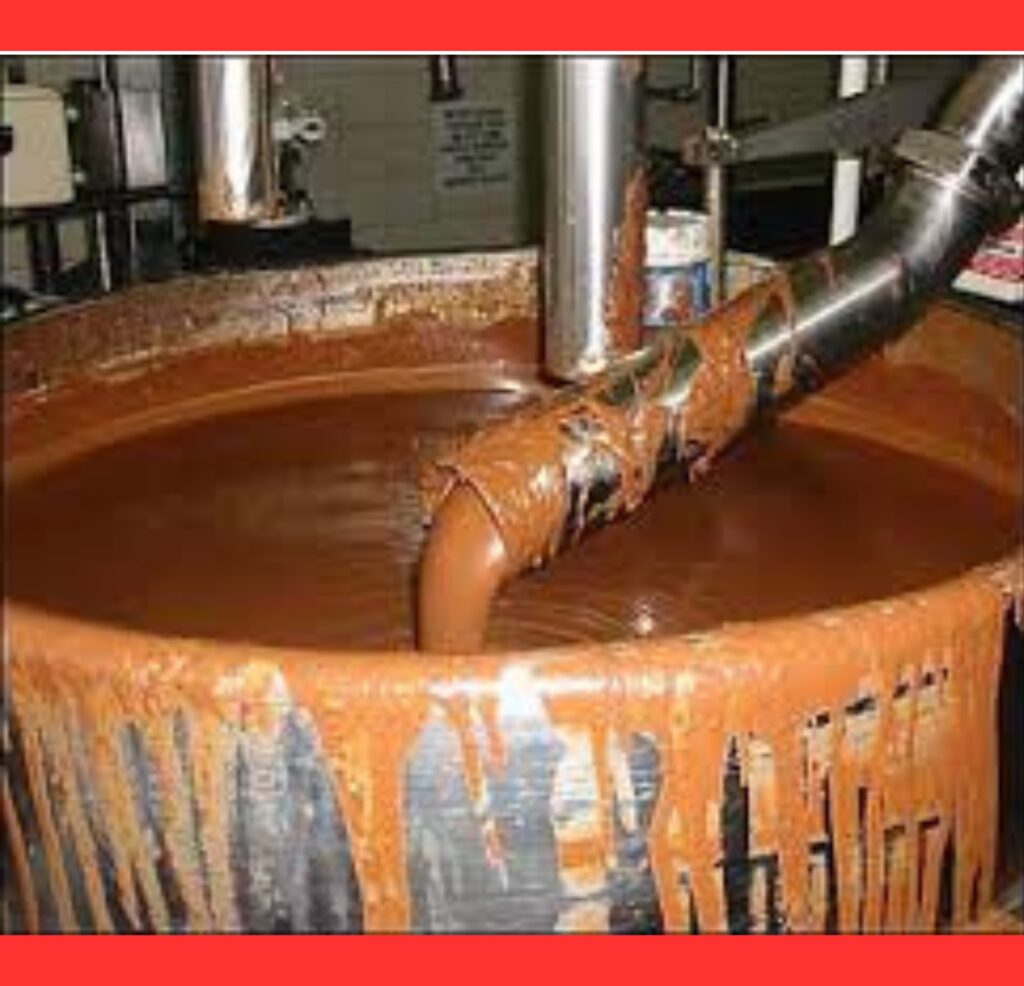
The vats contain thick, heated chocolate mixture stirred continuously by powerful rotating blades to ensure smoothness.
Colleagues described the environment as noisy and demanding, requiring constant vigilance around heavy machinery.
One account from witnesses suggests Roslina accidentally dropped her mobile phone into the vat and instinctively reached in to retrieve it, losing her balance in the process.
Struggling against the viscous liquid, she was pulled deeper into the tank before anyone could intervene effectively. The blades continued operating momentarily, leading to fatal injuries.

An alternative version shared by other employees claims she slipped while emptying a sack of ingredients into the open vat.
The heavy load may have caused her to lose footing on the slippery factory floor, sending her tumbling directly into the churning mixture.
Either scenario underscores the inherent risks of working close to unguarded industrial equipment.
Emergency responders arrived swiftly after alarmed co-workers shut down the machinery, but efforts to save Roslina proved futile.
Only her legs were reportedly visible when the vat was finally halted, confirming the severity of the incident.
The gruesome discovery left factory staff traumatized as they awaited authorities.

Roslina leaves behind her husband and two small children, both under the age of five, who now face life without their mother.
Family members described her as a cheerful, hardworking woman who took pride in providing for her loved ones despite the physical demands of shift work.
Tributes have poured in from relatives and friends on social media.
Police and labor inspectors have launched a full probe into the plant’s safety measures, examining whether proper guards, training, or emergency protocols were in place.
Factory management issued a statement expressing condolences and promising full cooperation with the investigation while temporarily halting operations around similar vats.
This tragedy has reignited debates about workplace safety standards across Russian industries, where industrial accidents continue to claim lives despite regulations.
Experts note that food processing plants often involve hazardous machinery and hot substances that require stringent oversight to protect employees.
Community leaders and labor advocates are calling for enhanced training programs and modern safety equipment to prevent similar fatalities.

The case serves as a stark reminder of the human cost when industrial safeguards fail, especially for young parents supporting families.
As investigations proceed, Roslina’s memory endures as a call for vigilance in factories nationwide.
Her untimely death underscores the need for constant improvement in worker protections, ensuring no other family endures such preventable grief.