
In coastal communities across the globe, a hidden danger lurks in the waters and on dinner plates.
Vibrio vulnificus, a highly virulent bacterium, has been making headlines due to its potential to cause life-threatening infections.
Health officials warn that this pathogen poses a significant risk to seafood lovers and beachgoers alike.
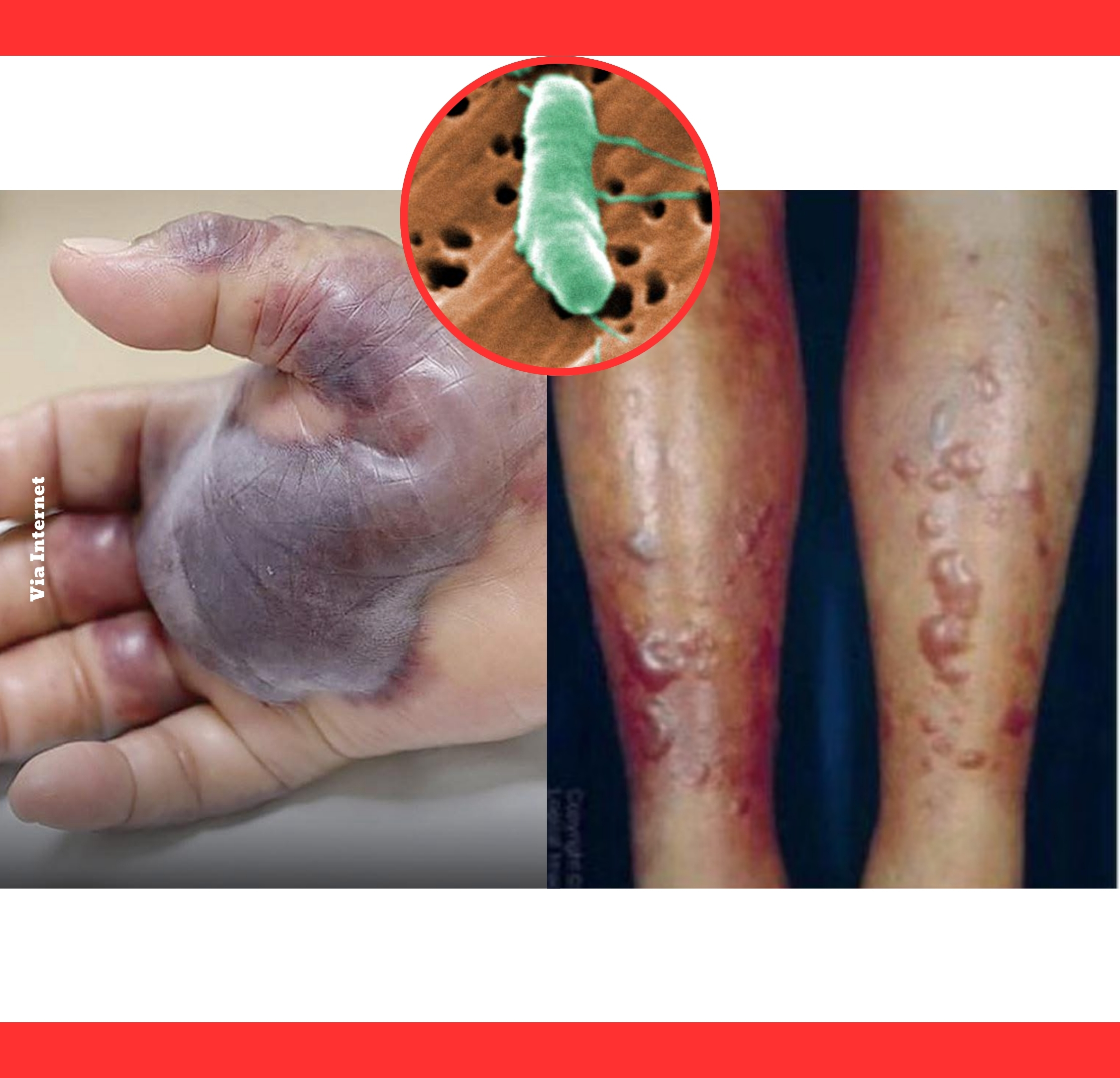
Vibrio vulnificus is a Gram-negative, curved rod-shaped bacterium naturally found in warm marine and brackish waters.
It thrives in temperatures above 68°F (20°C), often proliferating in estuaries and coastal areas during summer months.
Scientists note its increasing presence as ocean waters warm due to climate change.
Humans primarily contract the bacterium through consumption of raw or undercooked seafood, particularly oysters harvested from contaminated waters.
The organism can survive in the filter-feeding shellfish, concentrating in their tissues.
Even a single contaminated oyster can lead to severe illness if not properly cooked.

Another common route of infection is through open wounds exposed to seawater or handling of raw seafood.
Beachgoers with cuts, scrapes, or recent tattoos are at risk when swimming in warm ocean waters.
The bacteria enter the bloodstream rapidly through these breaches in the skin.
Once inside the body, symptoms of Vibrio vulnificus infection develop quickly, often within 24 hours.
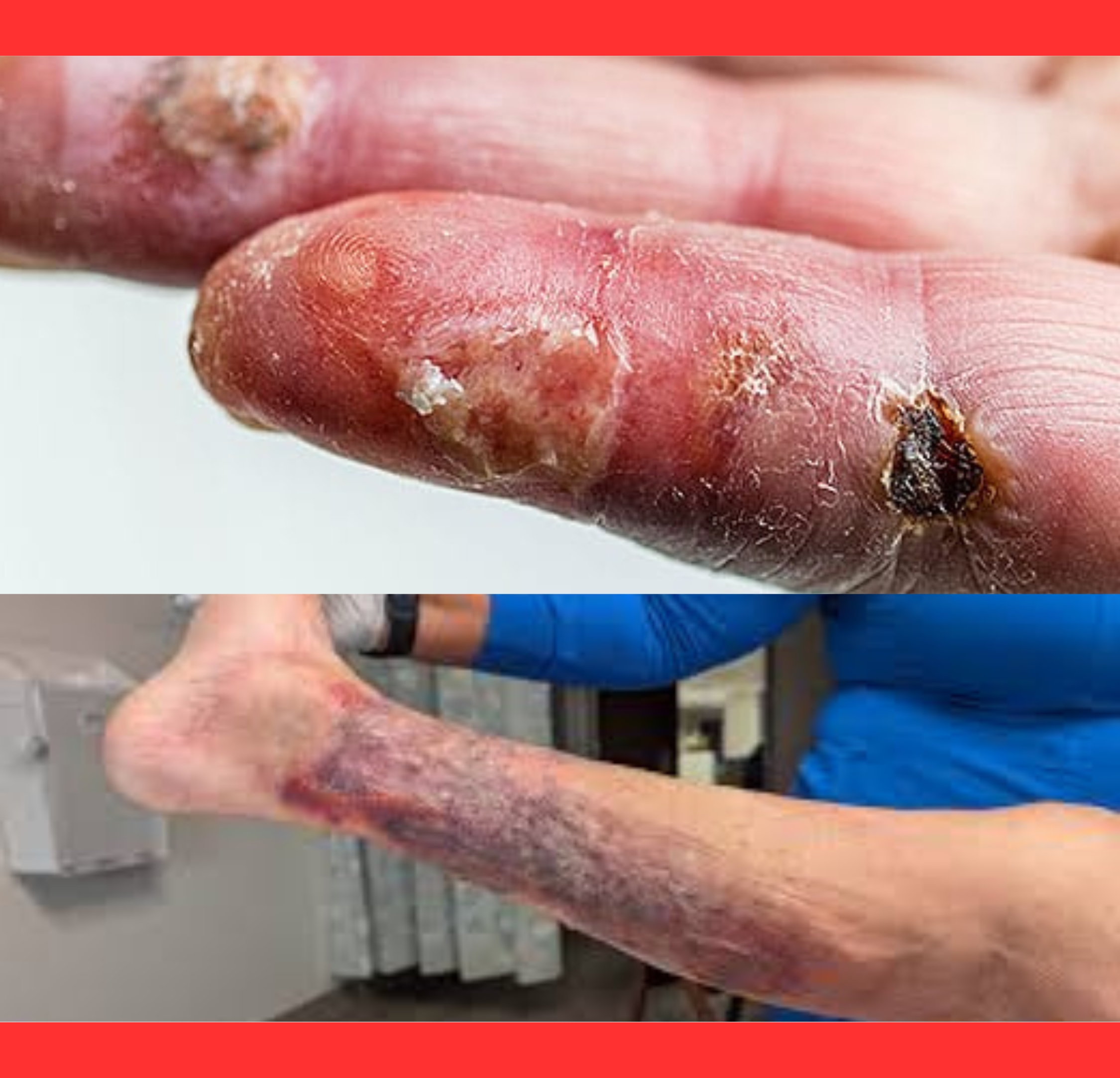
Initial signs include fever, chills, nausea, vomiting, and diarrhea.
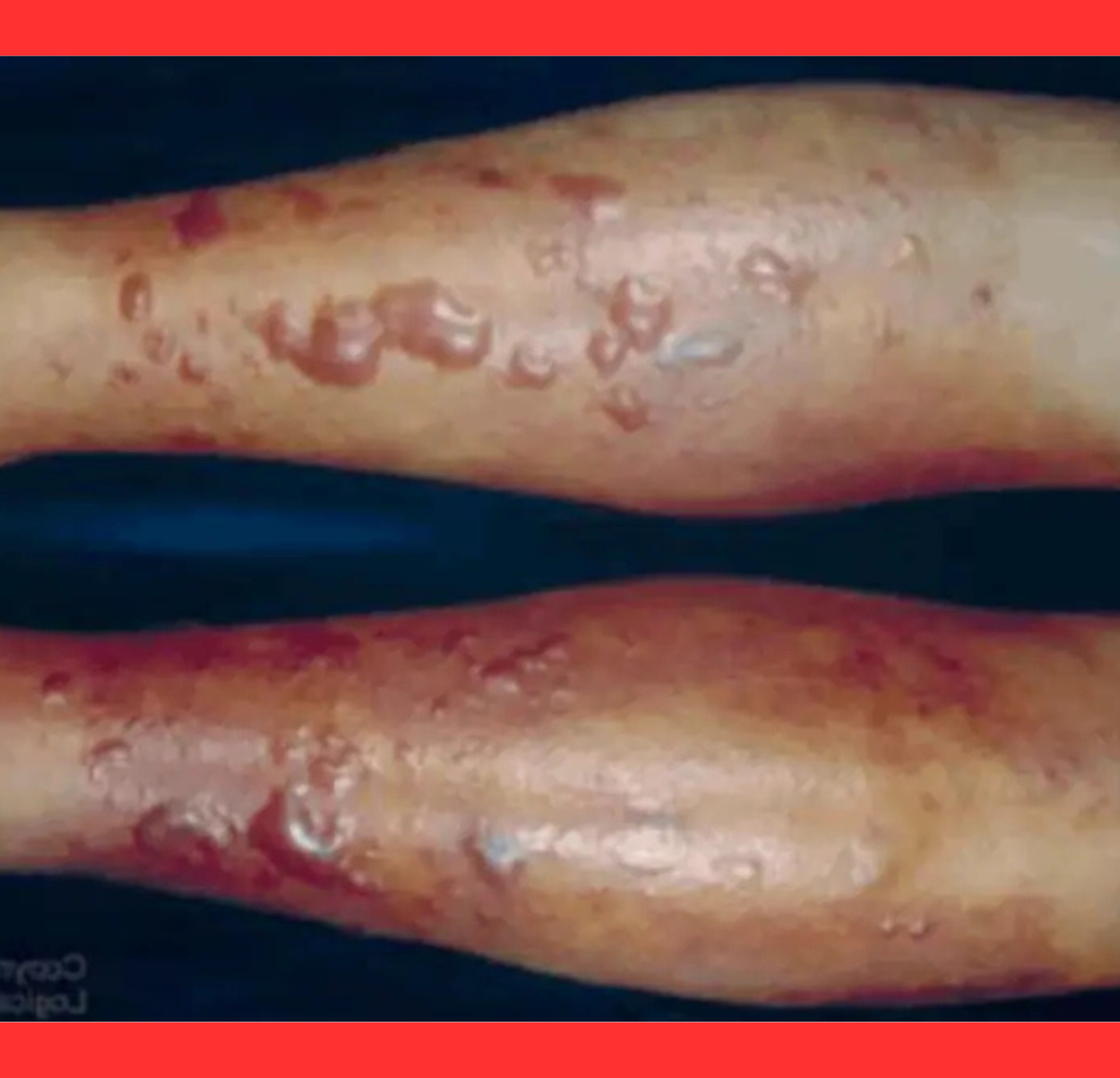
In severe cases, particularly wound infections, the bacteria cause necrotizing fasciitis, leading to painful swelling, blistering bullae, and tissue death.
Individuals with underlying conditions such as liver disease, diabetes, or weakened immune systems face the highest risk.
Bloodstream infections from V. vulnificus carry a mortality rate of up to 50 percent, with about one in five patients dying overall.
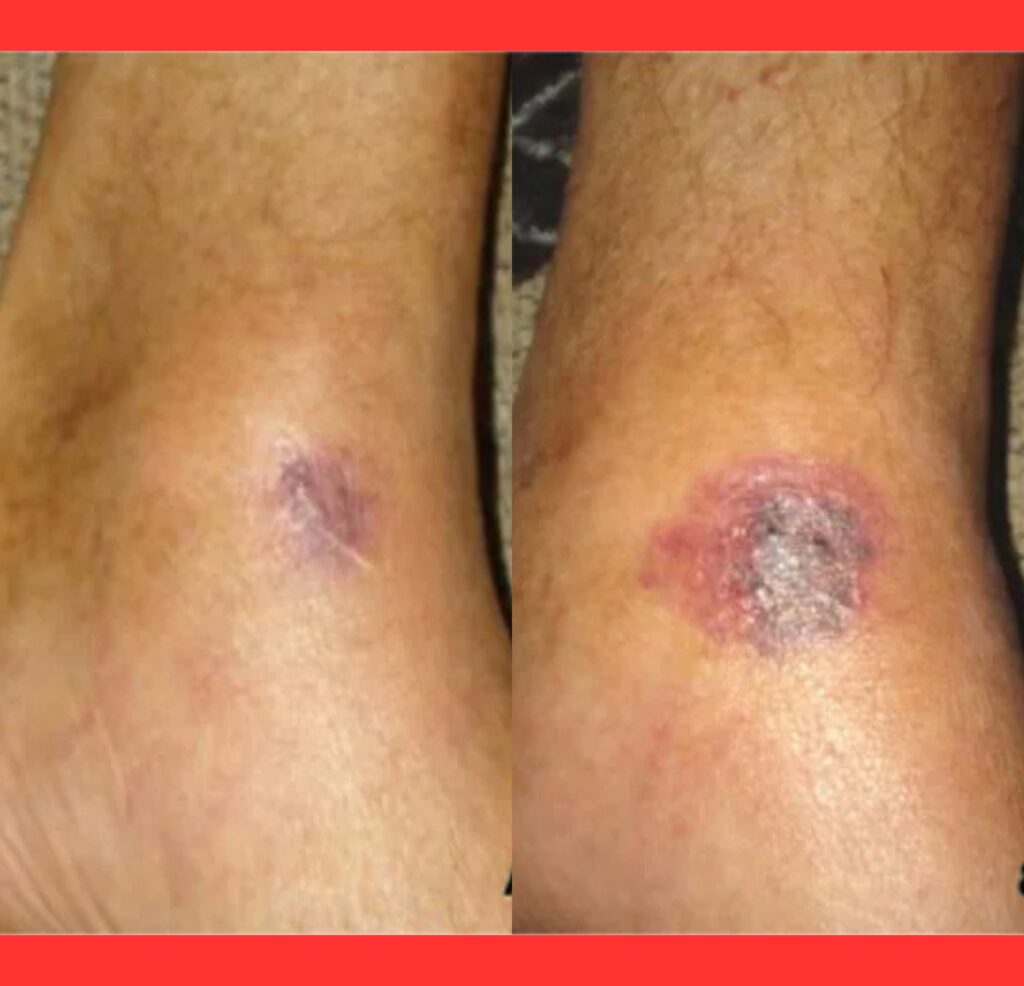
Prompt medical intervention is critical for survival.
Prevention is key to avoiding infection.
Experts recommend thoroughly cooking shellfish until they reach an internal temperature of 145°F.
Those with open wounds should avoid seawater and raw seafood handling. High-risk individuals are advised to steer clear of raw oysters entirely.

Treatment involves aggressive antibiotic therapy and, in advanced cases, surgical debridement or amputation to remove infected tissue.
Despite medical advances, the rapid progression of the disease makes it challenging to treat effectively once symptoms appear.
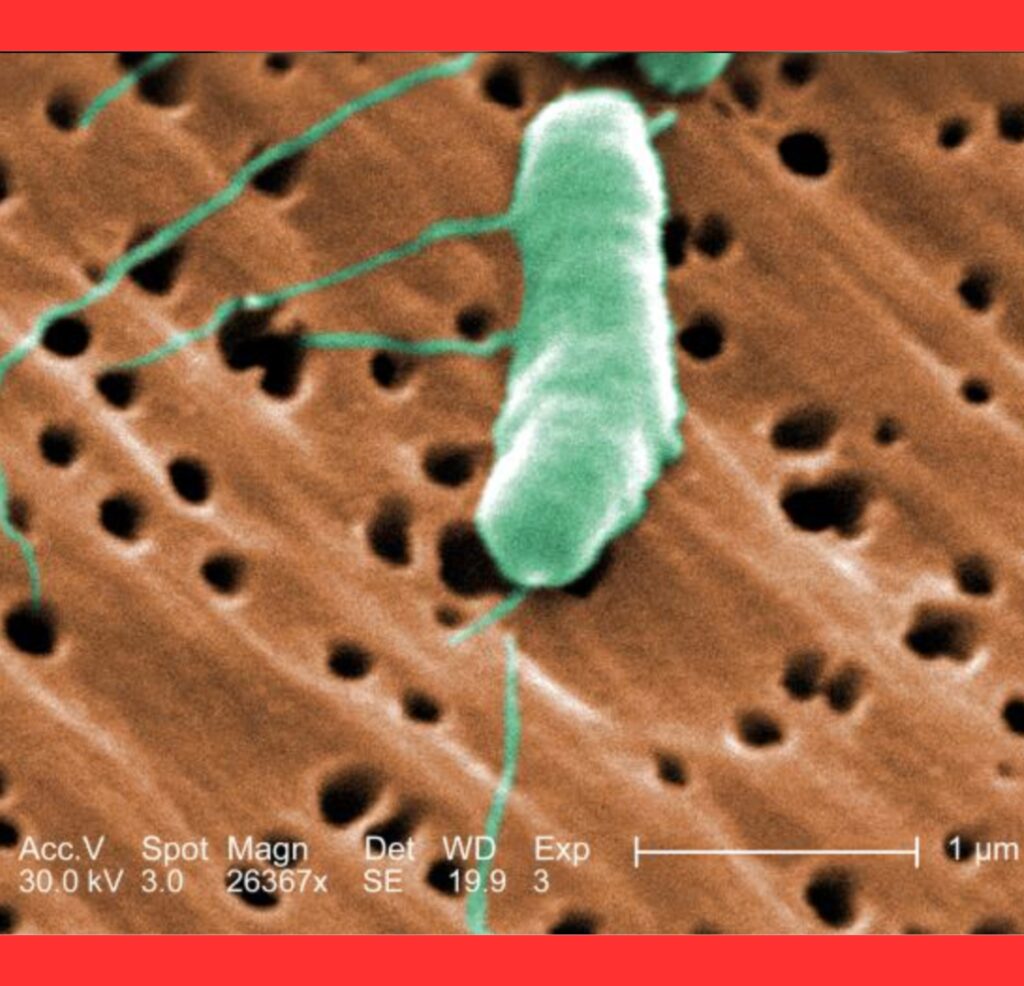
As coastal recreation and seafood consumption continue to rise, awareness of Vibrio vulnificus remains essential.
By understanding the risks and taking simple precautions, individuals can enjoy the sea and its bounty safely while minimizing the threat from this deadly marine bacterium.