
Walking barefoot on soft grass or warm sand often brings a sense of freedom and connection with nature.
Yet, this innocent habit can expose individuals to significant health risks when the ground is contaminated with pet waste.
Microscopic parasites lurking in the soil can easily enter the body through the skin, leading to irritating infections that may require medical attention.
Understanding this threat is essential for protecting personal health and that of our families.
Domestic dogs and cats are beloved companions, but their outdoor defecation habits contribute to environmental contamination if not managed properly.
When feces are left to decompose in yards, parks, or beaches, parasite eggs within them have the opportunity to develop.
Warm, moist soil provides perfect conditions for these eggs to hatch and mature, turning ordinary ground into a hazardous zone.
Responsible pet owners must recognize their role in preventing such pollution.
The most common parasites involved are zoonotic hookworms, particularly species like Ancylostoma caninum from dogs and Ancylostoma braziliense from cats.
Unlike human hookworms that can establish intestinal infections, these animal-derived larvae typically cause skin-limited disease in people.
They represent a classic example of zoonosis, where diseases jump from animals to humans through environmental contact.
The parasite life cycle starts with eggs excreted in animal feces.
In favorable conditions of warmth and moisture, the eggs hatch into rhabditiform larvae that feed and grow in the soil.
After several days, they transform into the infective filariform stage.
These slender larvae can survive for weeks or even longer in shaded, damp earth, poised to infect the next host.
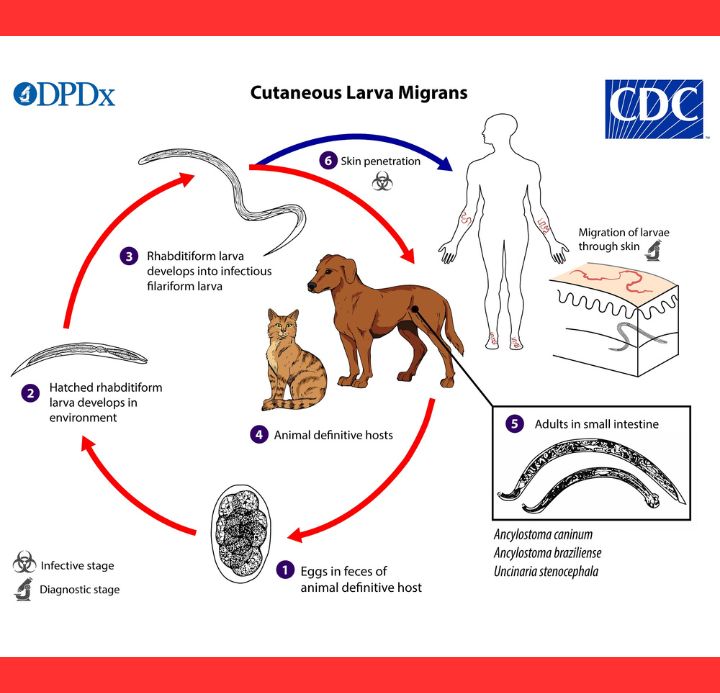
When bare skin touches the contaminated soil, the larvae detect heat and chemical cues from the potential host.
Using specialized mouthparts and enzymes that dissolve skin tissue, they rapidly penetrate the outer layer of the epidermis.
The feet, being in constant contact with the ground during barefoot walking, are the most frequent site of entry, though hands or other exposed areas can also be affected.
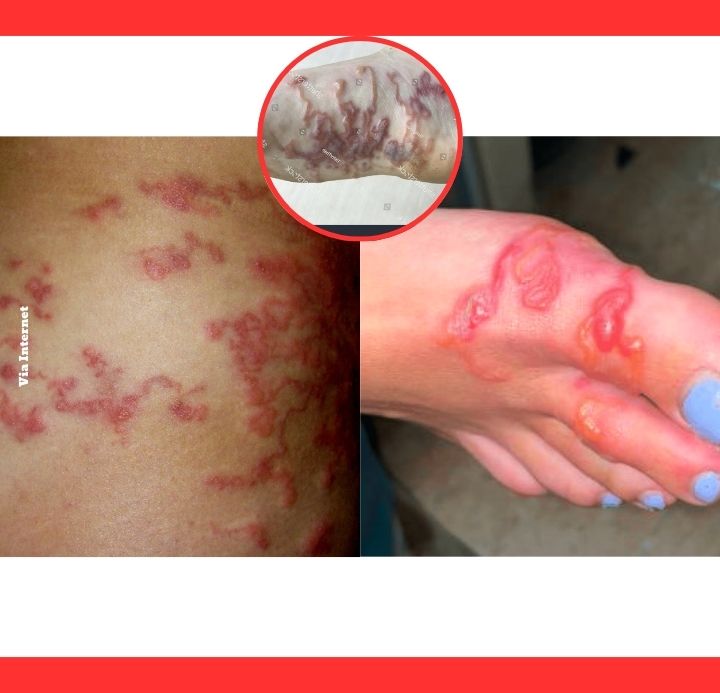
This penetration triggers cutaneous larva migrans (CLM), commonly called creeping eruption.
The condition is characterized by an intensely pruritic, raised, reddish track that snakes across the skin.
As the larva moves aimlessly in the epidermis—unable to penetrate deeper or complete its life cycle in humans—the track extends a few millimeters to centimeters each day, creating a distinctive serpiginous pattern.
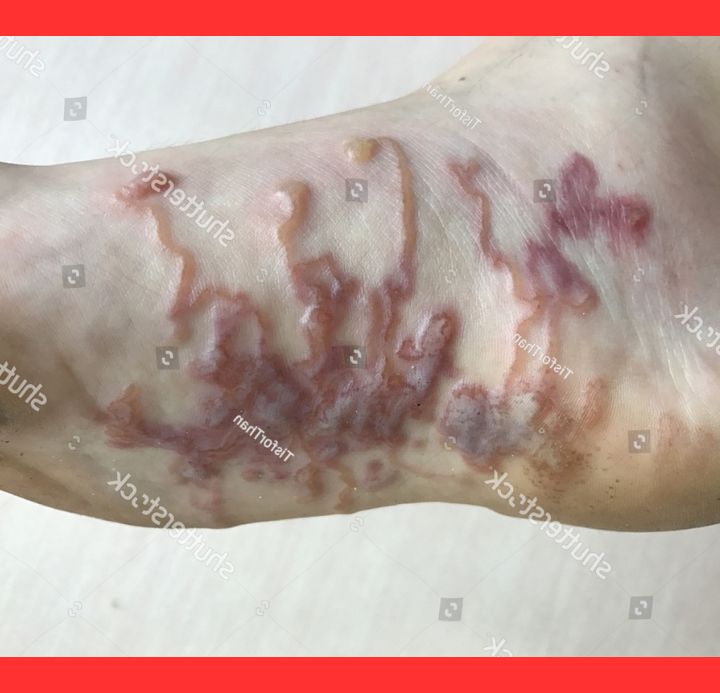
Affected individuals often experience severe itching and discomfort starting several days after exposure.
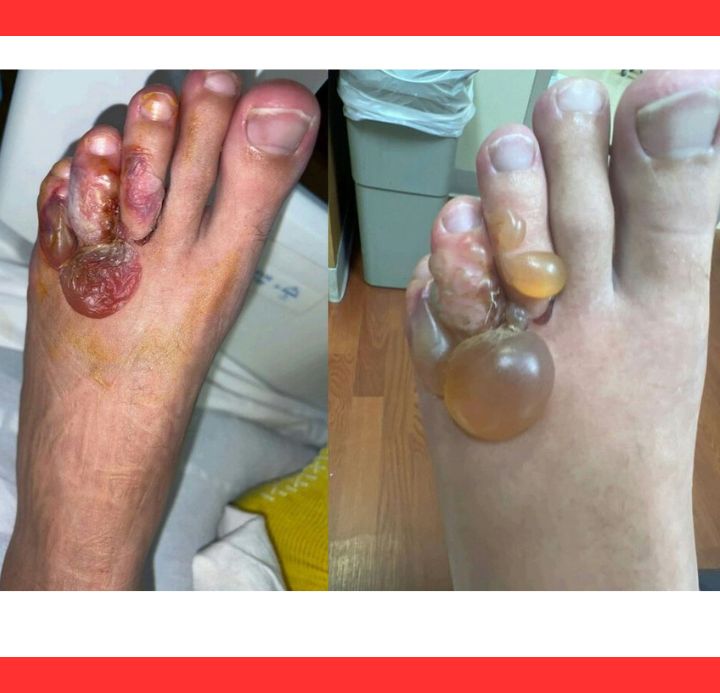
Secondary bacterial infections can occur from scratching the irritated skin.
Although the larvae eventually die within weeks to a couple of months, the inflammatory response can persist, impacting quality of life and daily activities until resolved, sometimes with antiparasitic treatment like albendazole or ivermectin.
Vulnerable populations include young children who play in potentially contaminated backyards or sandboxes, gardeners handling soil without protection, and beach enthusiasts in tropical and subtropical climates.
Areas with high densities of stray or feral animals see higher incidence rates. Even in temperate regions, poorly maintained pet areas pose risks during warmer months.
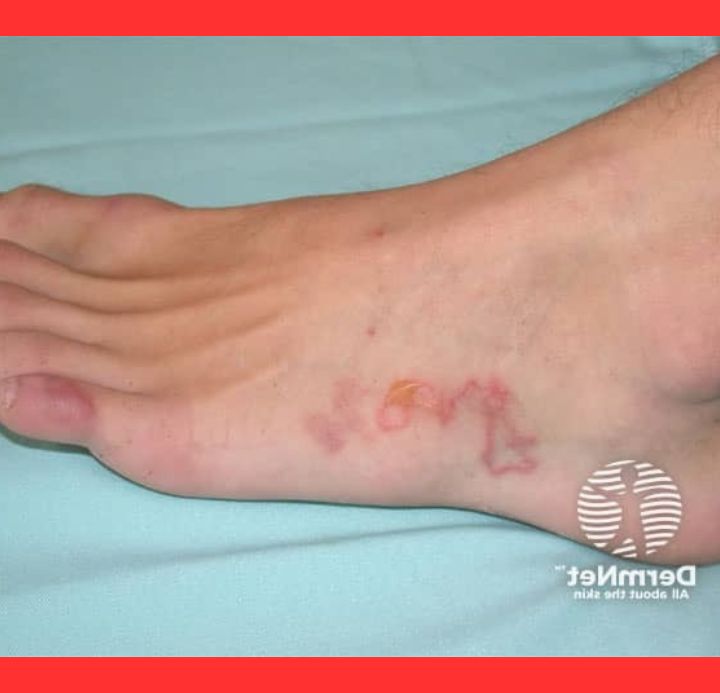
Reported cases highlight the global nature of this issue. Tourists returning from Caribbean or Southeast Asian beaches frequently present with CLM after barefoot walks on sand fouled by animal waste. In the
United States, incidents in Florida and other southern states underscore that the problem is not limited to developing countries. Public health education is key to reducing occurrences.
Effective prevention begins with simple habits: wearing shoes or sandals when walking in yards, parks, or beaches where pets frequent.
Pet owners should diligently pick up waste and dispose of it properly.
Regular veterinary check-ups and deworming medications for dogs and cats significantly reduce egg shedding.
Using gloves for gardening and beach towels as barriers further minimize exposure.
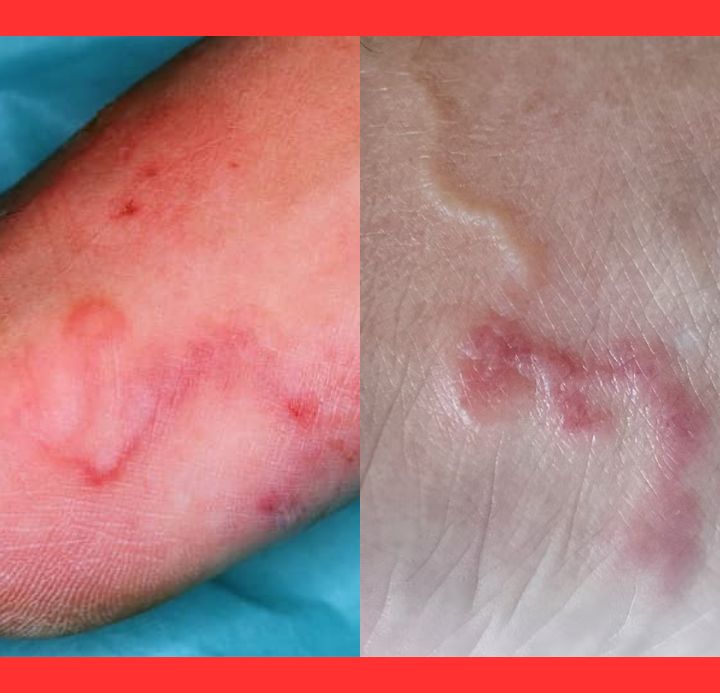
In conclusion, the threat of skin-penetrating parasites from pet-contaminated soil serves as a reminder of the interconnectedness between animal health, environmental hygiene, and human well-being.
By staying vigilant and adopting preventive measures, we can continue to enjoy outdoor activities barefoot when safe, or protected otherwise.
Responsible pet ownership and personal awareness are vital in mitigating these hidden dangers.