
In a viral moment that has ignited conversations about celebrity boundaries, pop star Chappell Roan confronted a group of fans and photographers in Paris who were allegedly harassing her.
The singer, known for hits like “Good Luck, Babe!” and “Pink Pony Club,” was in France for Paris Fashion Week when the encounter unfolded outside a restaurant.
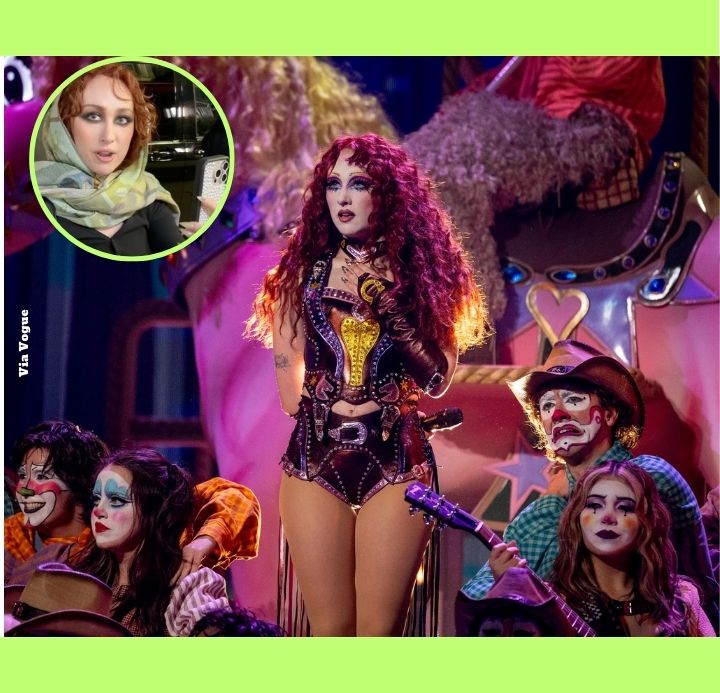
The incident occurred as the rising star attempted to enjoy a quiet dinner outing during her busy schedule amid the glamorous Paris Fashion Week events.
After attending high-profile shows, including one by Alexander McQueen, Roan simply wanted a moment of normalcy with her team.
Instead, she found herself surrounded by a persistent crowd of paparazzi and autograph seekers who refused to respect her space.
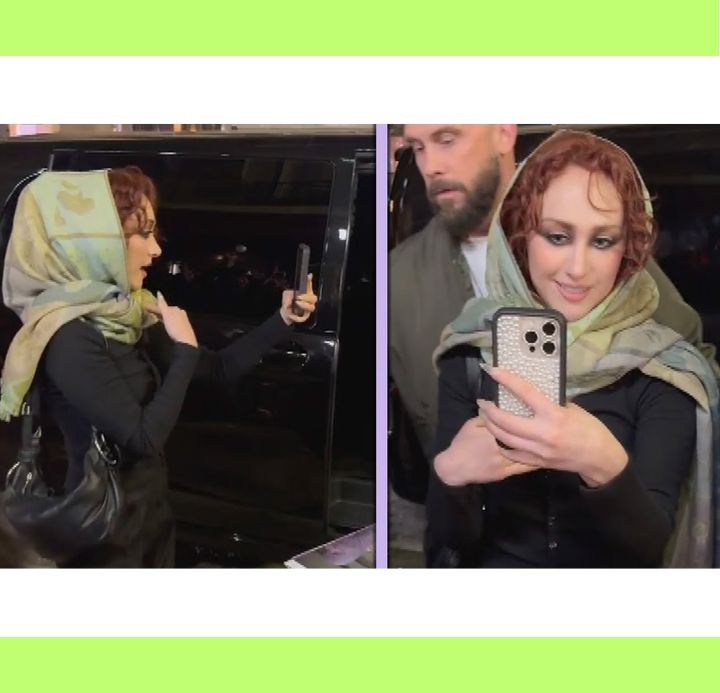
Rather than ignoring the crowd, Roan pulled out her phone and began filming the situation herself, turning the camera on those surrounding her in a bold act of self-documentation.
She narrated the experience calmly, highlighting how the group had followed her despite multiple polite requests to back off.
This reversal of roles—celebrity filming the pursuers—quickly captured public attention.
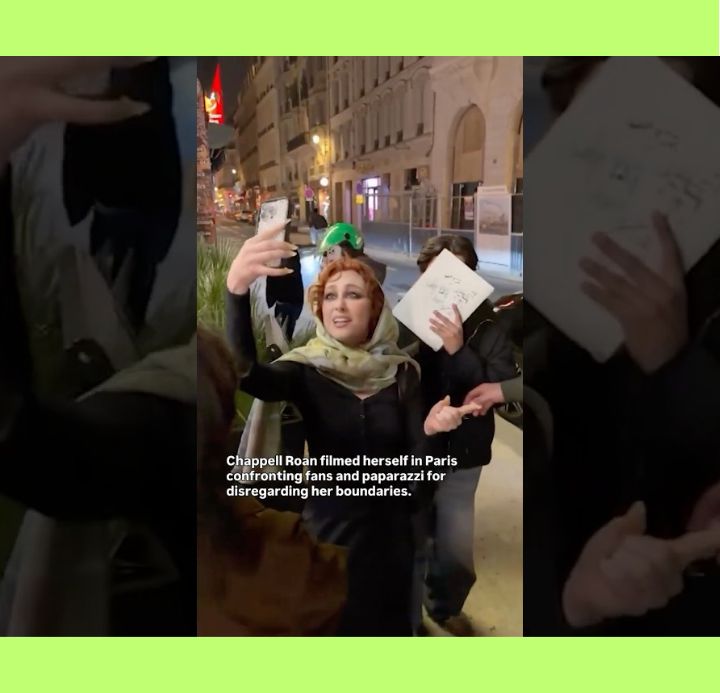
“I’m just trying to go to dinner, and I’ve asked these people several times to get away from me,” she stated clearly while recording.
Roan pointed out individuals who continued to press for autographs and photos, noting that some hid their faces when confronted.
She described feeling “disregarded as a human” by those who treated her boundaries as optional.
“These are all the people that are completely disregarding my boundaries,” Roan continued in the widely shared clip.
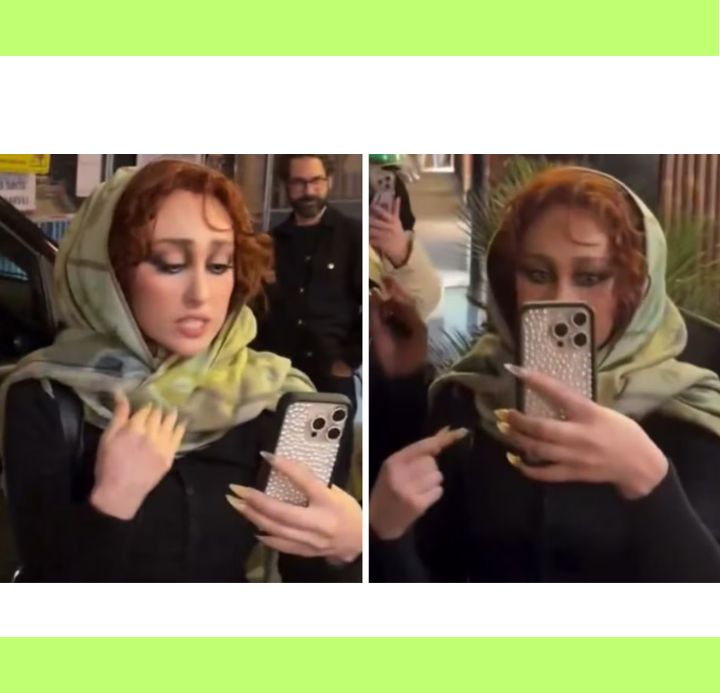
“All of you, I’m asking you kindly to please leave me alone and stop following me and harassing me. No, I’m not going to sign.”
Her firm yet composed delivery underscored the exhaustion of constant intrusion.
Known for her outspoken views on fan interactions, Roan has previously emphasized the need for privacy off-stage, often comparing unchecked fame to an abusive dynamic in past interviews and social media posts.
She has long advocated for healthier dynamics between artists and admirers, refusing to accept harassment as part of celebrity life.
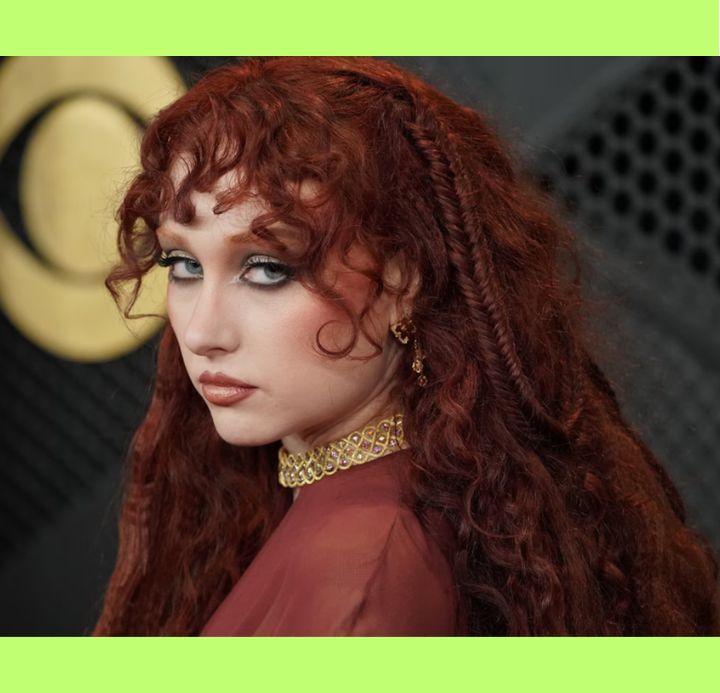
Her actions drew support from fellow artists, including Noah Kahan, who publicly suggested people should simply “leave her alone” and respect her wishes.
Other voices in the industry echoed similar sentiments, praising Roan for modeling assertive self-advocacy without aggression.
The video sparked divided reactions online, with many praising her for advocating personal space while others criticized her expectations of privacy as unrealistic for a public figure at major events.
Supporters flooded social media with messages of solidarity, while critics debated the balance between fan access and basic human dignity.
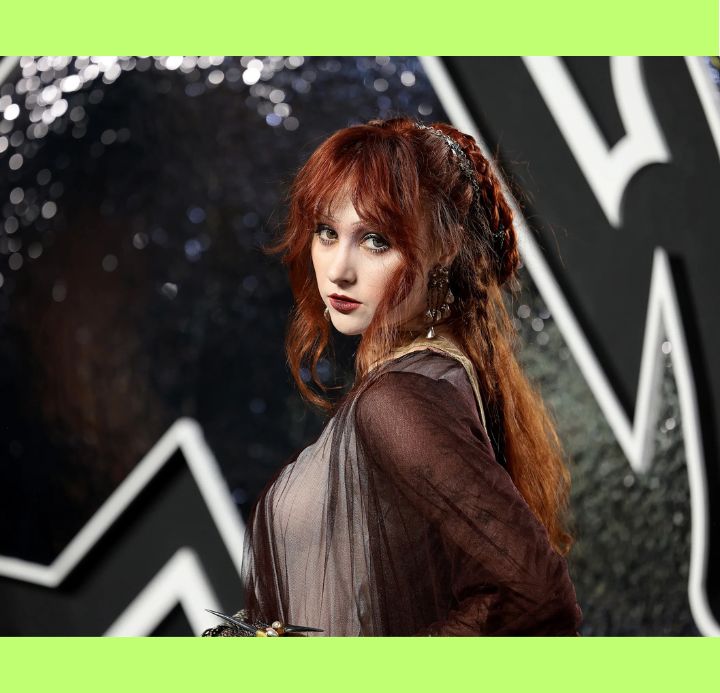
This episode highlights ongoing tensions in paparazzi and fan culture, where the line between admiration and intrusion often blurs, especially for rising stars like Roan whose popularity surged rapidly.
The Paris confrontation added to broader discussions about consent, mental health, and the pressures of sudden fame in the social media era.
As a queer icon with a rapidly growing fanbase, Chappell Roan continues to use her platform not only for music but to challenge norms around celebrity accessibility and demand mutual respect.
Her music celebrates authenticity and joy, yet she insists that off-stage life remains her own.
Ultimately, her firm yet polite message serves as a reminder that even in the spotlight, everyone deserves respect and the basic right to be left alone when requested.
Roan’s stand may inspire lasting change in how fans and media engage with public figures worldwide.