
Scabies is a widespread parasitic skin infestation caused by the microscopic mite known as Sarcoptes scabiei var. hominis.
In typical cases, a person may harbor only 10 to 15 mites, resulting in intense itching and a characteristic rash primarily from the mites burrowing into the upper layer of the skin.

However, there exists a much rarer and far more severe manifestation called Norwegian scabies, also commonly referred to as crusted scabies.
This extreme variant allows for an uncontrolled proliferation of the parasites on the host’s skin.
The condition earned its name from the Norwegian physicians Danielssen and Boeck, who first described it in 1848 while studying patients with leprosy in Norway.
It is characterized by hyperinfestation rather than the limited mite burden seen in classic scabies.
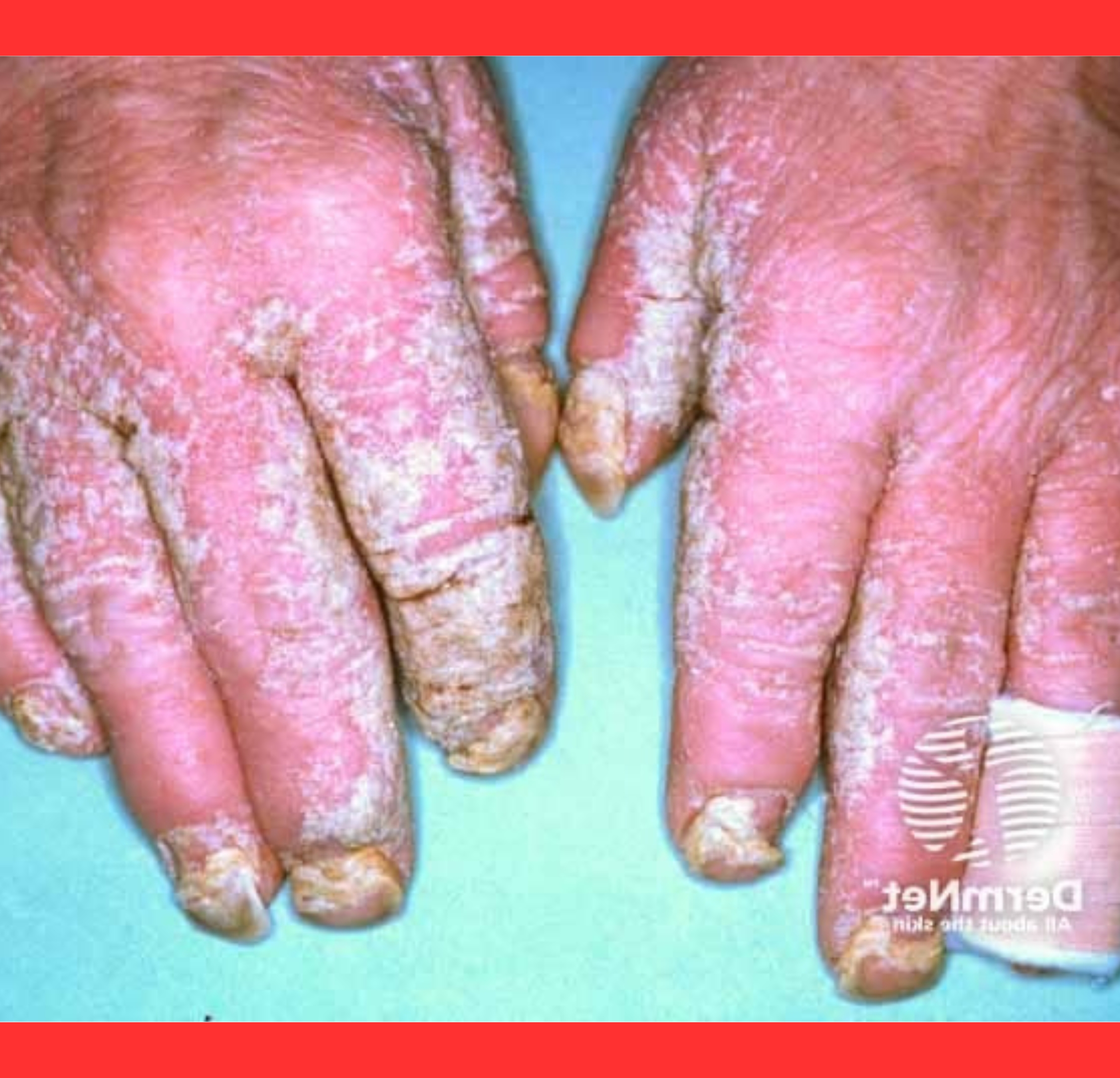
In Norwegian scabies, the skin develops thick, hyperkeratotic plaques and scales that can appear grayish or white.
These crusts often cover extensive areas including the hands, feet, elbows, knees, and sometimes the entire body, with possible fissuring and redness.
Unlike standard scabies, patients with this form may experience little to no itching due to underlying immunosuppression, which fails to trigger a strong allergic response to the mites, eggs, and waste.
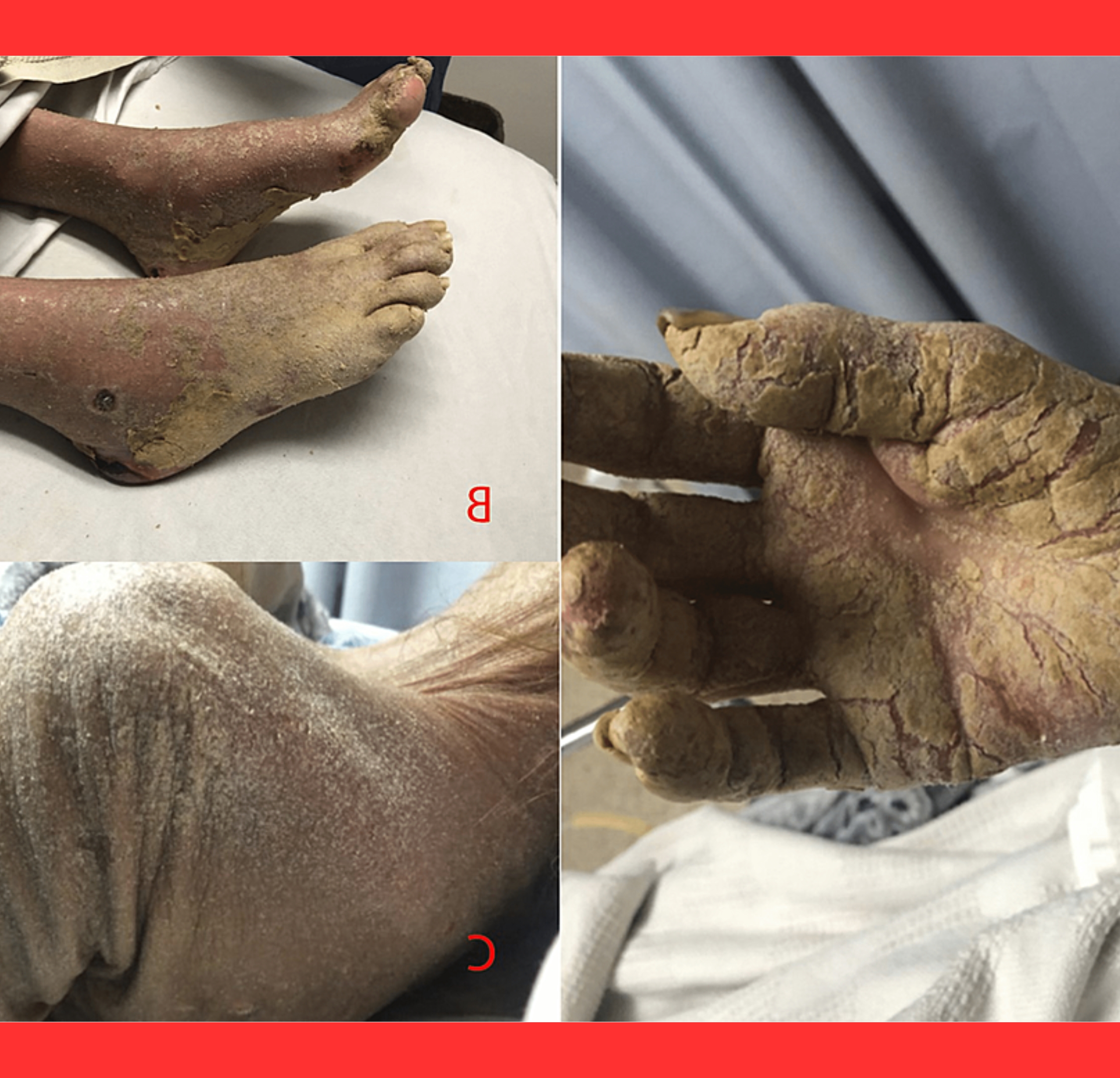
Individuals at highest risk include those with weakened immune systems, such as people living with HIV/AIDS, organ transplant recipients, patients undergoing chemotherapy, or the elderly residing in institutions.
Neurological conditions that reduce scratching also contribute.
With millions of mites potentially present—up to two million in extreme cases—Norwegian scabies is extraordinarily contagious.
Transmission occurs not only through close skin contact but also via shed skin scales contaminating bedding, clothing, and furniture.
Diagnosis typically involves microscopic examination of skin scrapings to reveal abundant mites, eggs, and fecal pellets.
The distinctive clinical presentation in vulnerable patients often prompts immediate suspicion by healthcare providers.
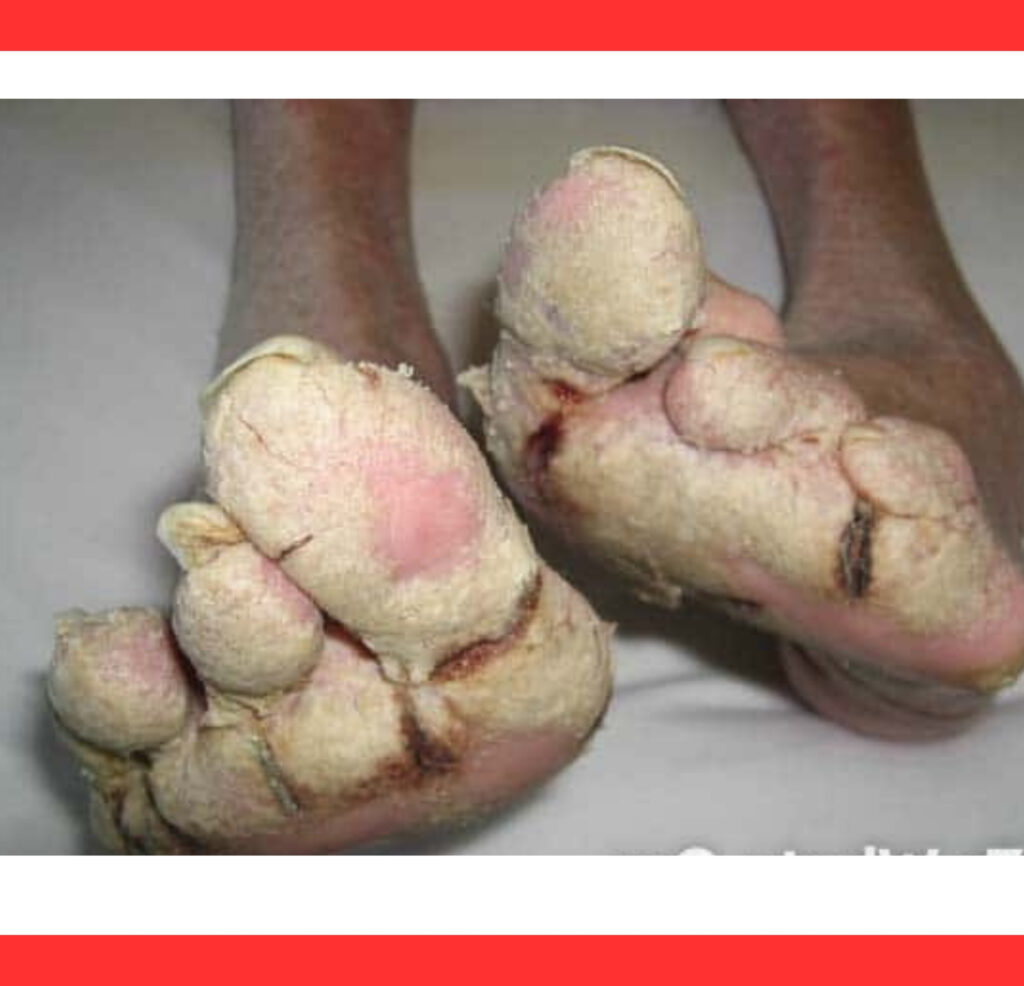
Effective management demands a multifaceted approach.
Treatment usually combines oral ivermectin administered in multiple doses with topical applications of permethrin cream.
Environmental cleaning and simultaneous treatment of contacts are essential to prevent reinfestation.
Without prompt intervention, complications such as secondary bacterial skin infections or even systemic sepsis can arise, posing life-threatening risks particularly to already frail individuals.
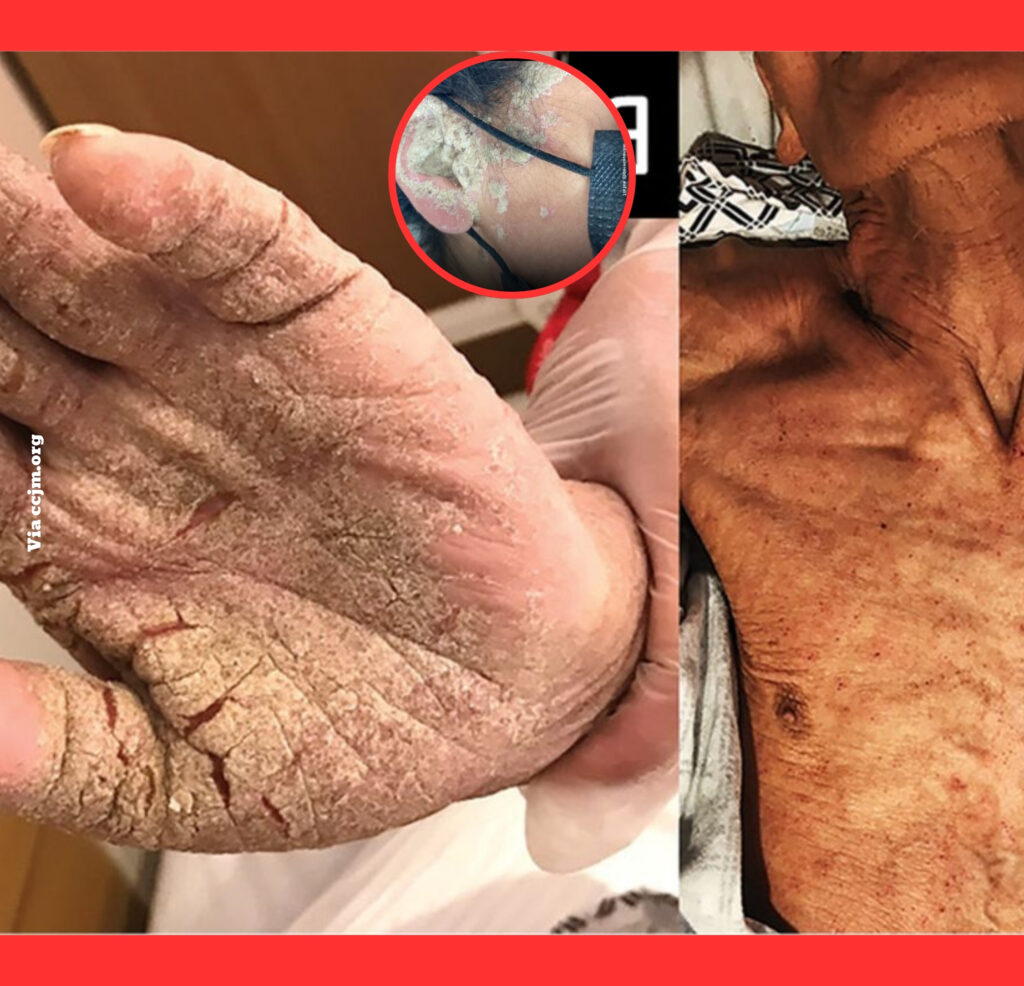
Long-term skin damage may also occur.
Increased awareness and education among medical professionals and caregivers are vital for early detection and control of outbreaks in healthcare facilities.
Understanding Norwegian scabies as an extreme variant underscores the importance of hygiene and timely medical care in protecting public health.