
In the bustling Nagpur District Court on August 13, 2004, a dramatic scene of raw retribution played out in broad daylight.
Approximately 200 women from the impoverished Kasturba Nagar slum stormed Court No. 7 during a bail hearing, determined to end the reign of terror by one man who had evaded justice for years.
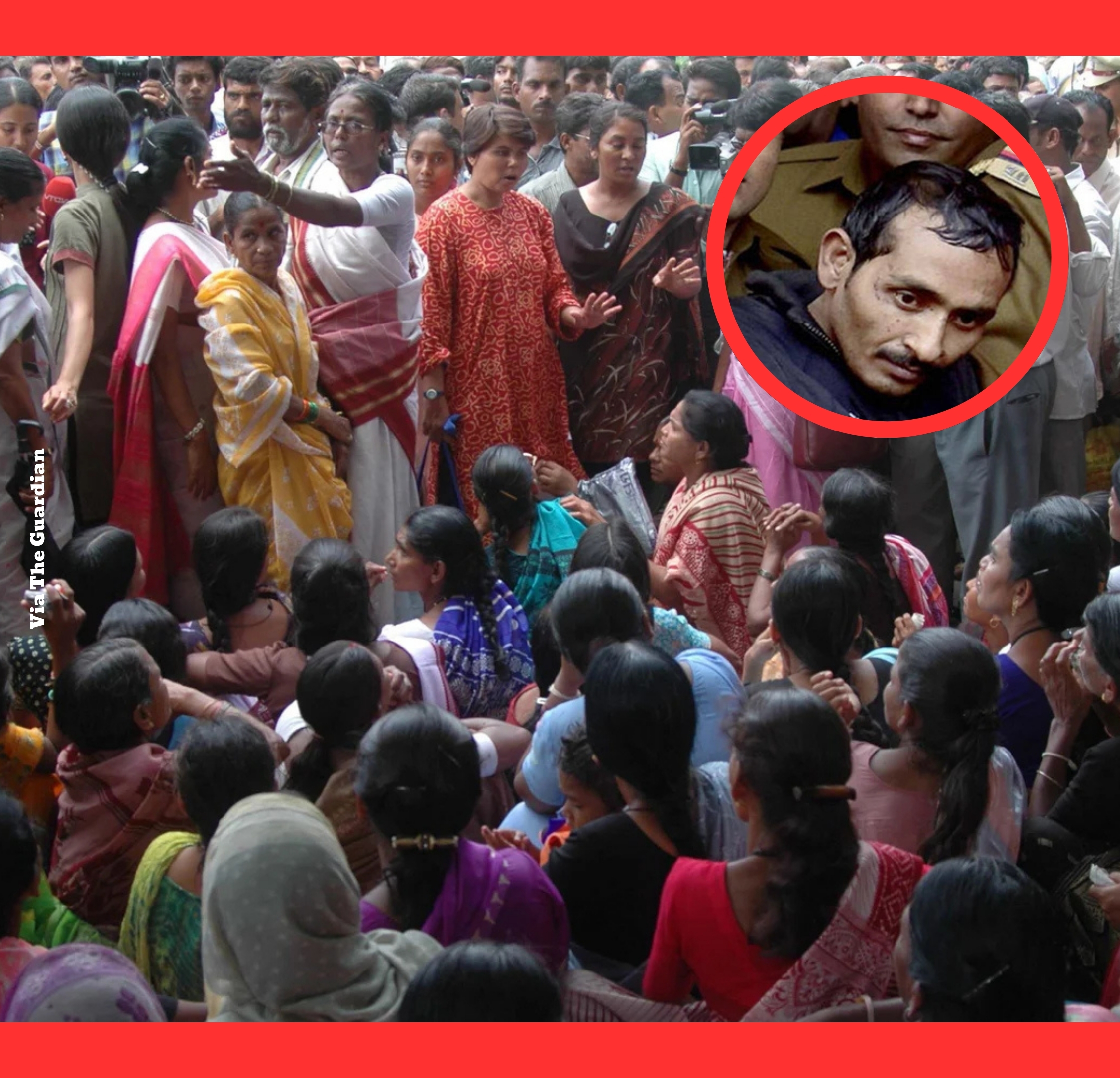
Bharat Kalicharan Yadav, infamously known as Akku Yadav, was a notorious gangster, robber, and murderer who had dominated the slum area since the early 1990s.
His crimes extended far beyond theft and extortion; he was a serial sexual predator who raped more than 40 women and girls, some as young as 10 years old.
For over a decade, Yadav operated with impunity, using fear and violence to silence his victims.
Residents reported that he would break into homes, assault women in front of family members, and threaten death if they complained to authorities.
Police protection was nonexistent, and cases filed against him often resulted in his quick release.
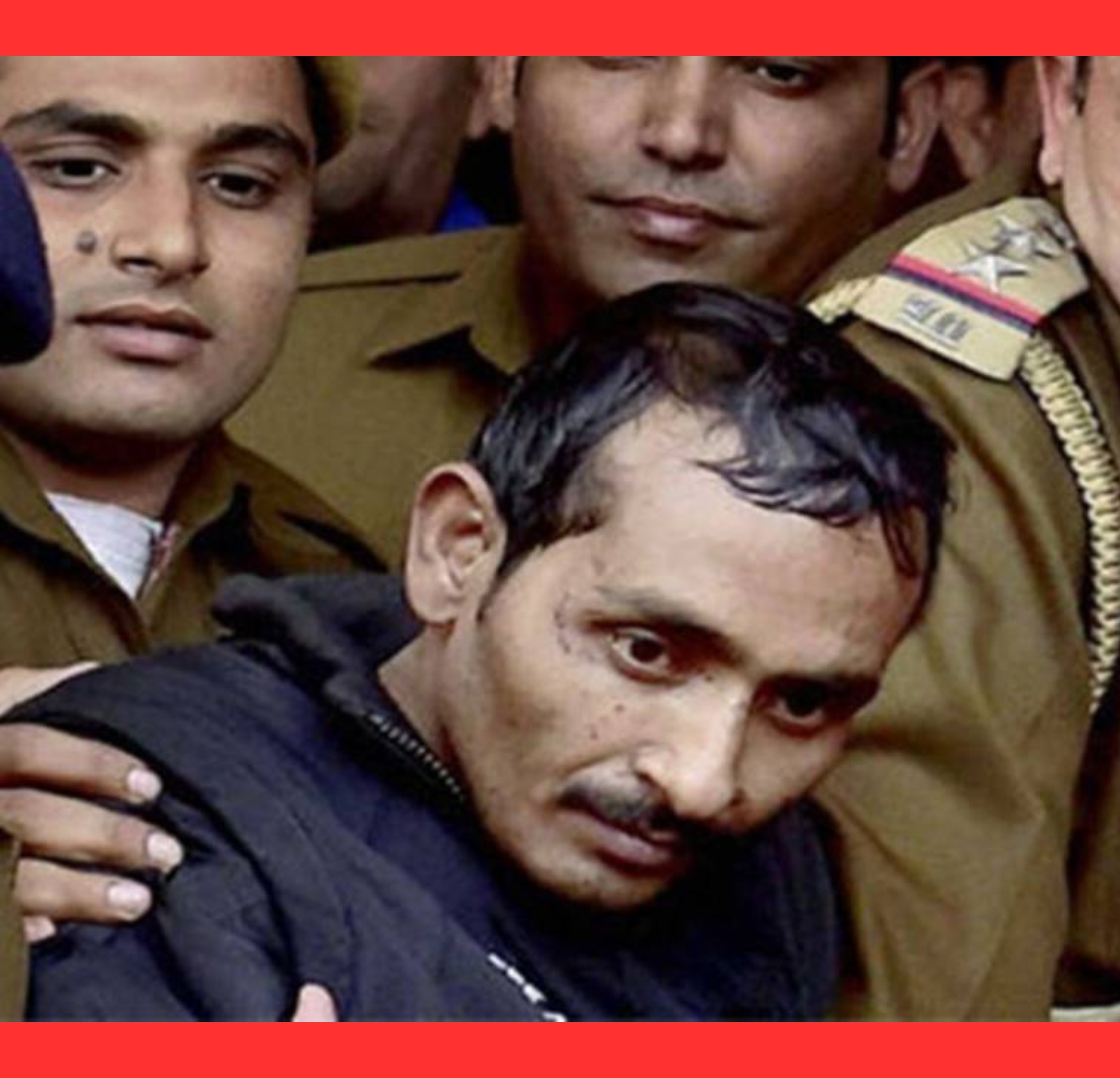
The Indian justice system failed these women repeatedly.
Despite multiple FIRs and court appearances, Yadav continued to walk free on bail, intimidating witnesses and perpetuating his cycle of abuse.
The community lived in constant fear, with no end in sight to his atrocities.
On that fateful day, the women, many of whom were his direct victims, could wait no longer.
Armed with kitchen knives, stones, and chili powder, they marched to the courthouse, united in their resolve to take justice into their own hands.
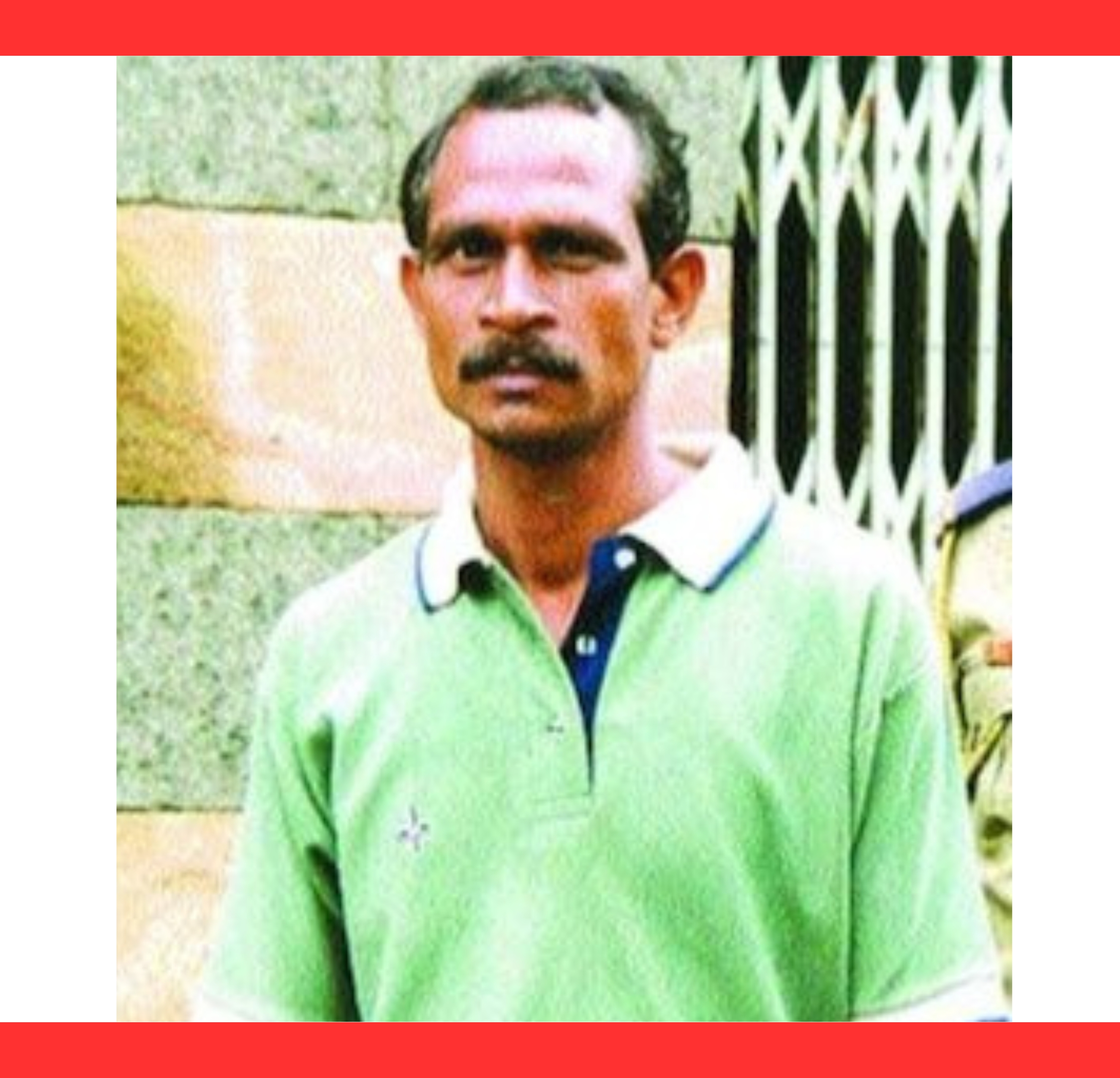
As the hearing commenced and Yadav stood before the judge, the mob of women burst into the courtroom.
Shouting in anger, they immediately threw handfuls of chili powder into his face, blinding him and causing chaos among the court staff and police guards.
The attack was swift and merciless.
The terrified police officers guarding Yadav fled the scene as the women surged forward with their weapons.
Knives flashed as they stabbed him repeatedly, inflicting around 70 wounds across his body in just 15 minutes.

In a particularly gruesome act symbolizing their collective outrage over the sexual violations, one woman used a vegetable knife to mutilate and sever Yadav’s genitals.
His screams echoed through the courtroom as blood pooled on the shiny marble floor.
Yadav collapsed and died on the spot, his body left mutilated on the courtroom floor.
The women made no attempt to flee; instead, they boldly proclaimed to authorities, “Arrest us all,” taking full collective responsibility for the lynching.
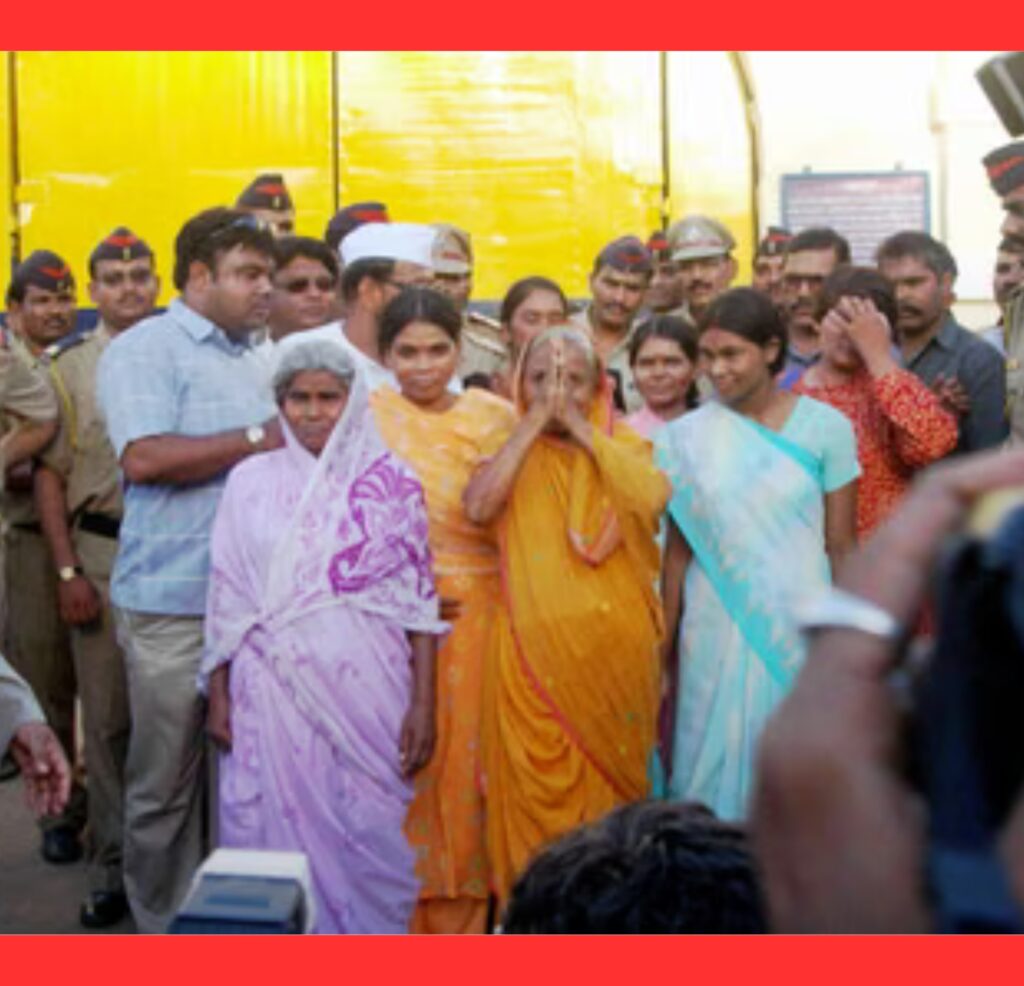
In the aftermath, several women were arrested, but the case highlighted deep systemic failures.
A decade later, in 2014, all 19 accused were acquitted by the same court due to lack of evidence, as witnesses and the community stood united in silence.
This extraordinary event in 2004 sparked global discussions on the limits of formal justice systems, gender-based violence in India, and the desperation that drives ordinary citizens, particularly women, to vigilantism when institutions betray them.
It remains a stark reminder of the human cost of unchecked impunity.