
In the cutthroat realm of Hollywood feuds, few rival the calculated vendetta allegedly orchestrated by Kanye West and Kim Kardashian against Taylor Swift.
What appeared as public spats masked a deeper, insidious scheme designed to dismantle the pop star’s empire.
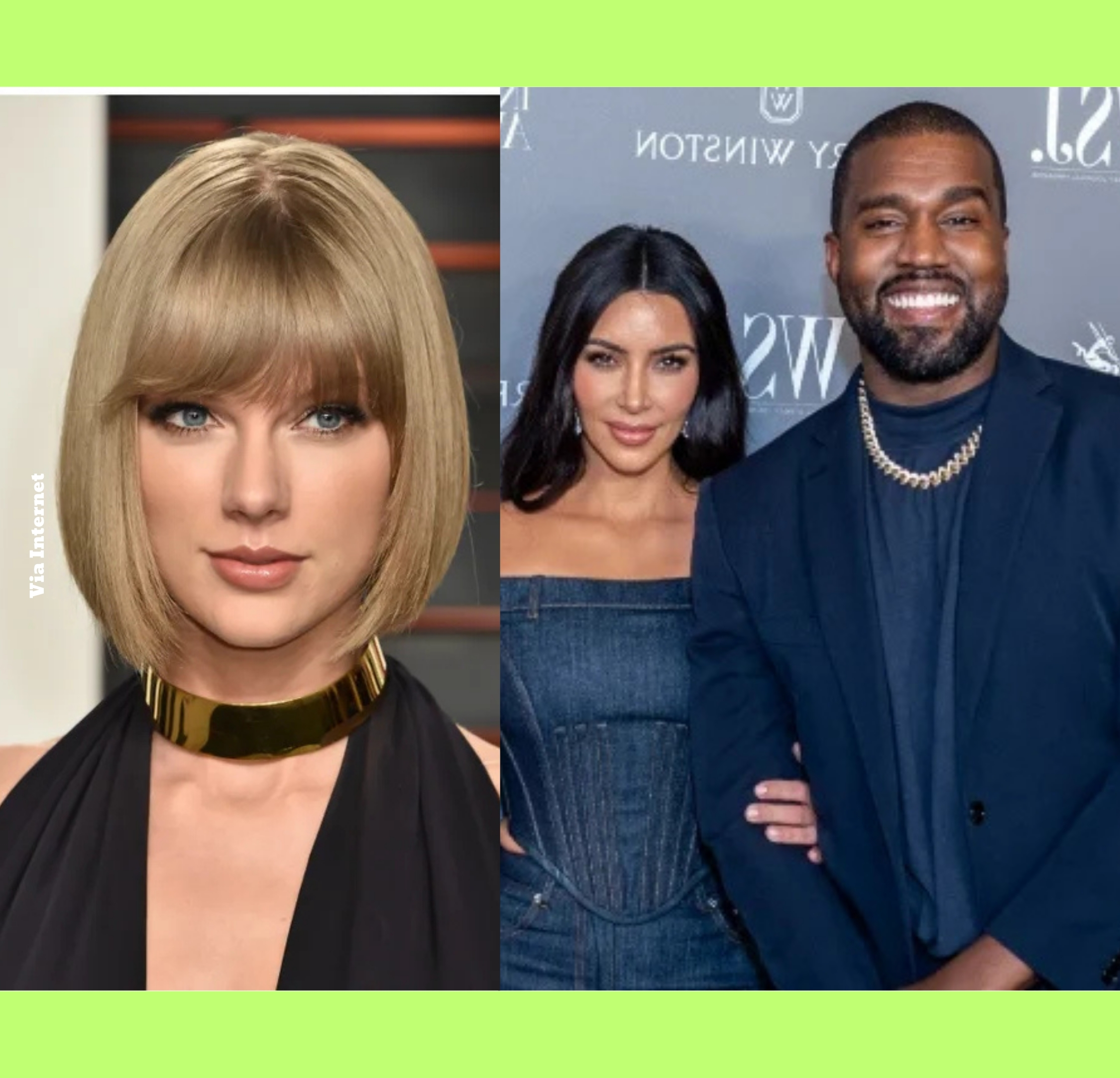
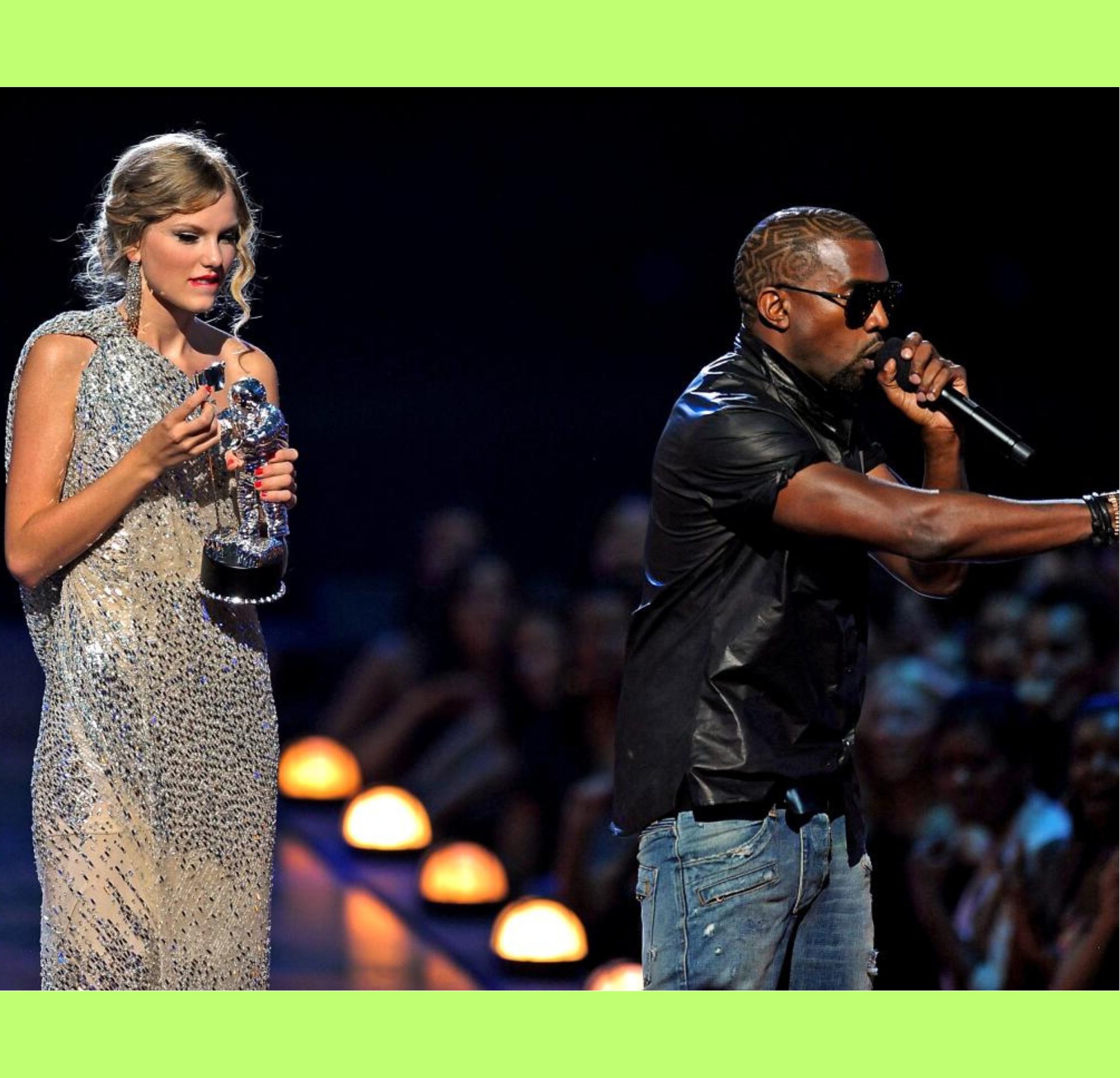
The saga traces back to 2009 when Kanye infamously stormed the stage during Taylor’s VMA acceptance speech, declaring Beyoncé’s video superior.
Though seemingly isolated, insiders now claim it was the opening salvo in a long-game strategy to undermine her rising stardom and set the stage for total career destruction.
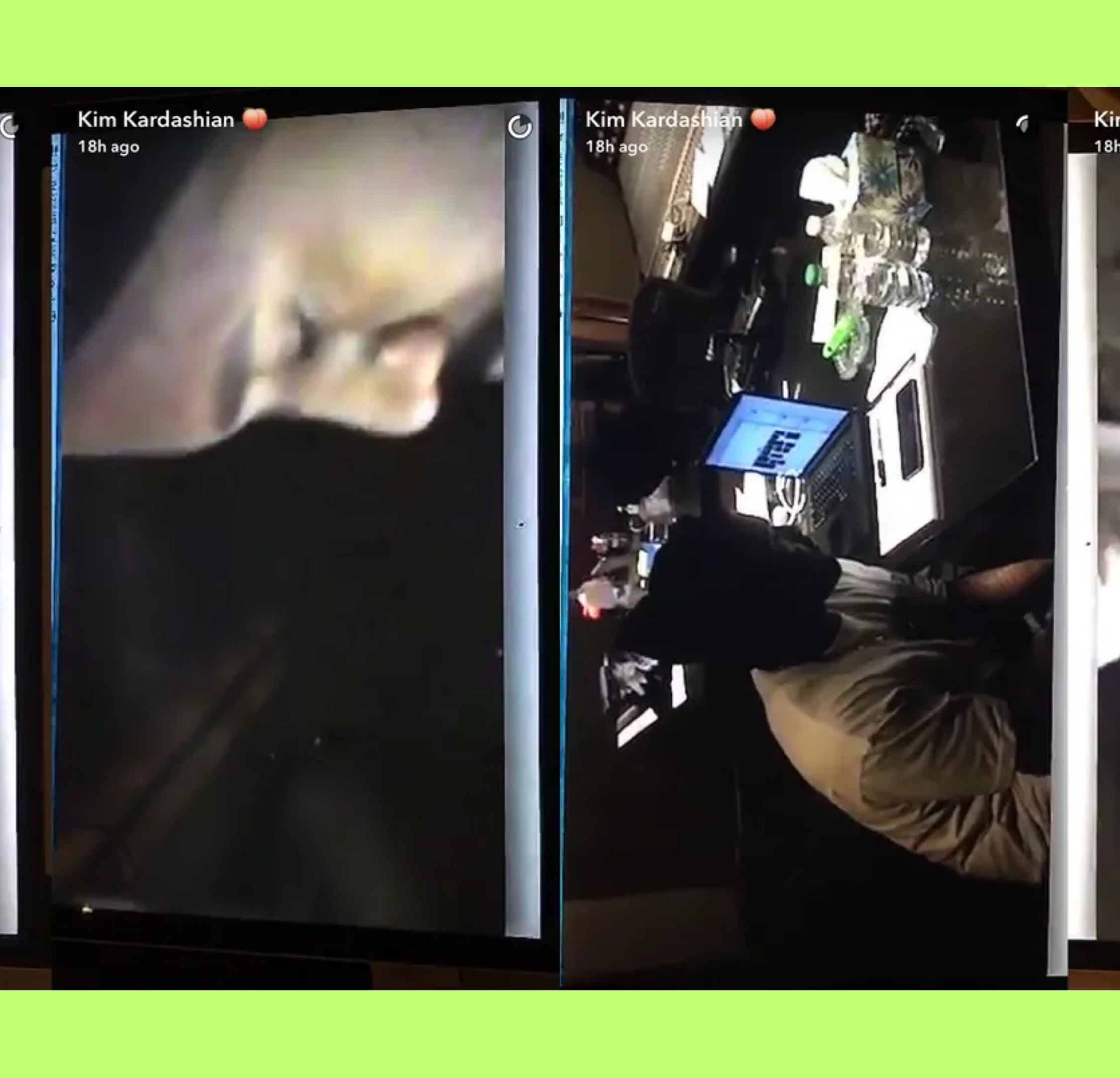
By 2016, tensions reignited with the release of Kanye’s track “Famous,” featuring the inflammatory line about Taylor: “I made that bitch famous.”
Taylor’s team vehemently denied any prior knowledge or approval of the lyric.
Unbeknownst to the public, Kim Kardashian had recorded a phone conversation between Kanye and Taylor.
Sources allege the call was strategically initiated to extract ambiguous consent that could later be weaponized against her in the court of public opinion.
In a move that stunned the industry, Kim selectively edited and released snippets of the call via Snapchat, portraying Taylor as a manipulative liar who had greenlit the controversial lyrics.
This was the calculated centerpiece of their multi-layered plot.
The fallout was swift and devastating.
Social media erupted in coordinated attacks, with #TaylorSwiftIsOverParty trending worldwide as fans turned against the once-beloved singer in what many believe was amplified by the couple’s vast influence and paid networks.
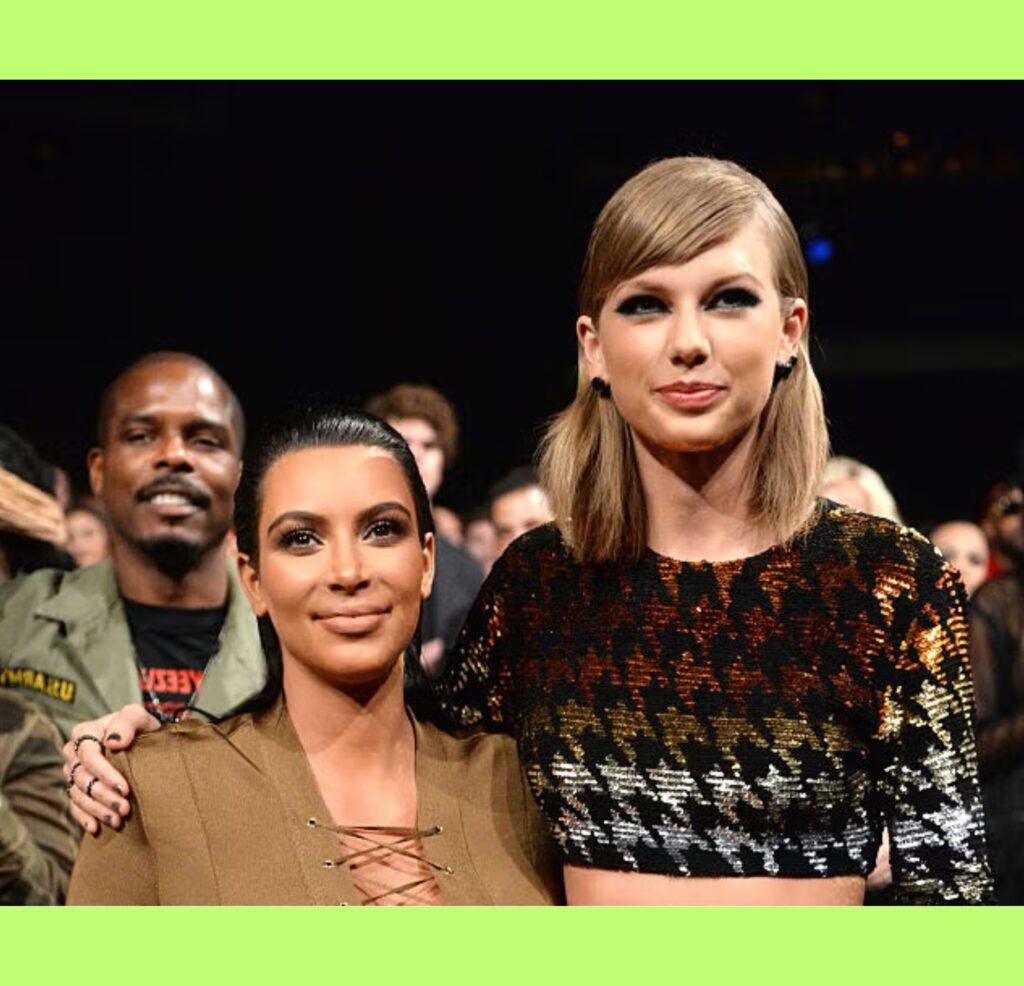
Taylor later revealed the psychological toll, describing it as a ‘career death’ that sent her spiraling into isolation.
She avoided public appearances, phone calls, and even relocated abroad to escape the relentless scrutiny engineered by her rivals.
Whispers of the plot suggest the duo aimed not just at personal revenge but at reshaping industry narratives, boosting their own brands through manufactured drama while diminishing a major competitor’s dominance.
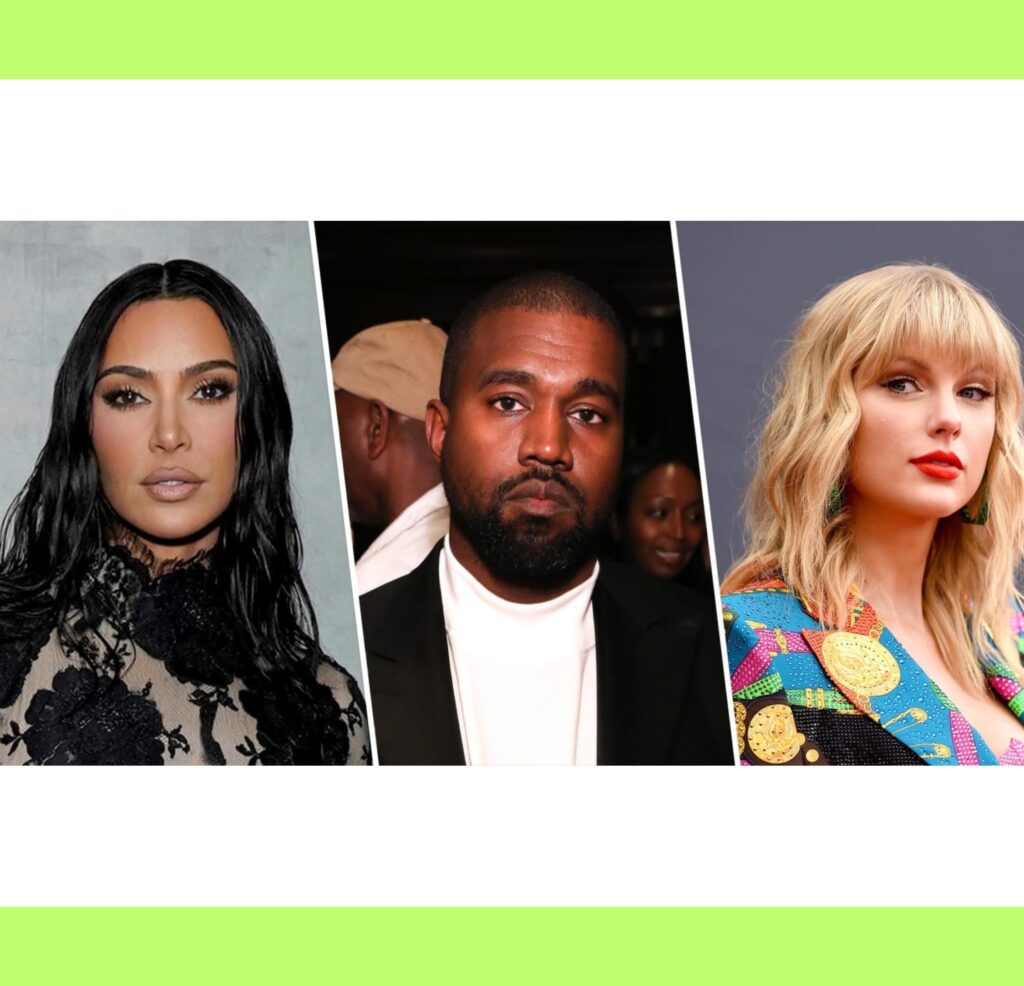
Friends close to Taylor claim the pressure nearly forced her permanent retirement from music.
“She was broken,” one confidant stated, “questioning if the fame was worth the pain inflicted by such betrayal.”
Yet, in the shadows, Taylor meticulously plotted her return. The 2017 album “Reputation” served as her defiant response, transforming victimhood into artistic triumph and reclaiming her narrative.
Today, as Taylor dominates the charts once more, the full extent of the 2016 conspiracy highlights the dark underbelly of celebrity culture, where alliances shift and plots unfold behind the glamour.