
In April 2026, the NFL was thrust into turmoil when explosive photographs emerged showing New England Patriots head coach Mike Vrabel and then-NFL reporter Dianna Russini in what appeared to be a romantic encounter at a luxury resort.
The images, first published by the New York Post’s Page Six, quickly went viral and raised serious questions about personal boundaries in professional sports.
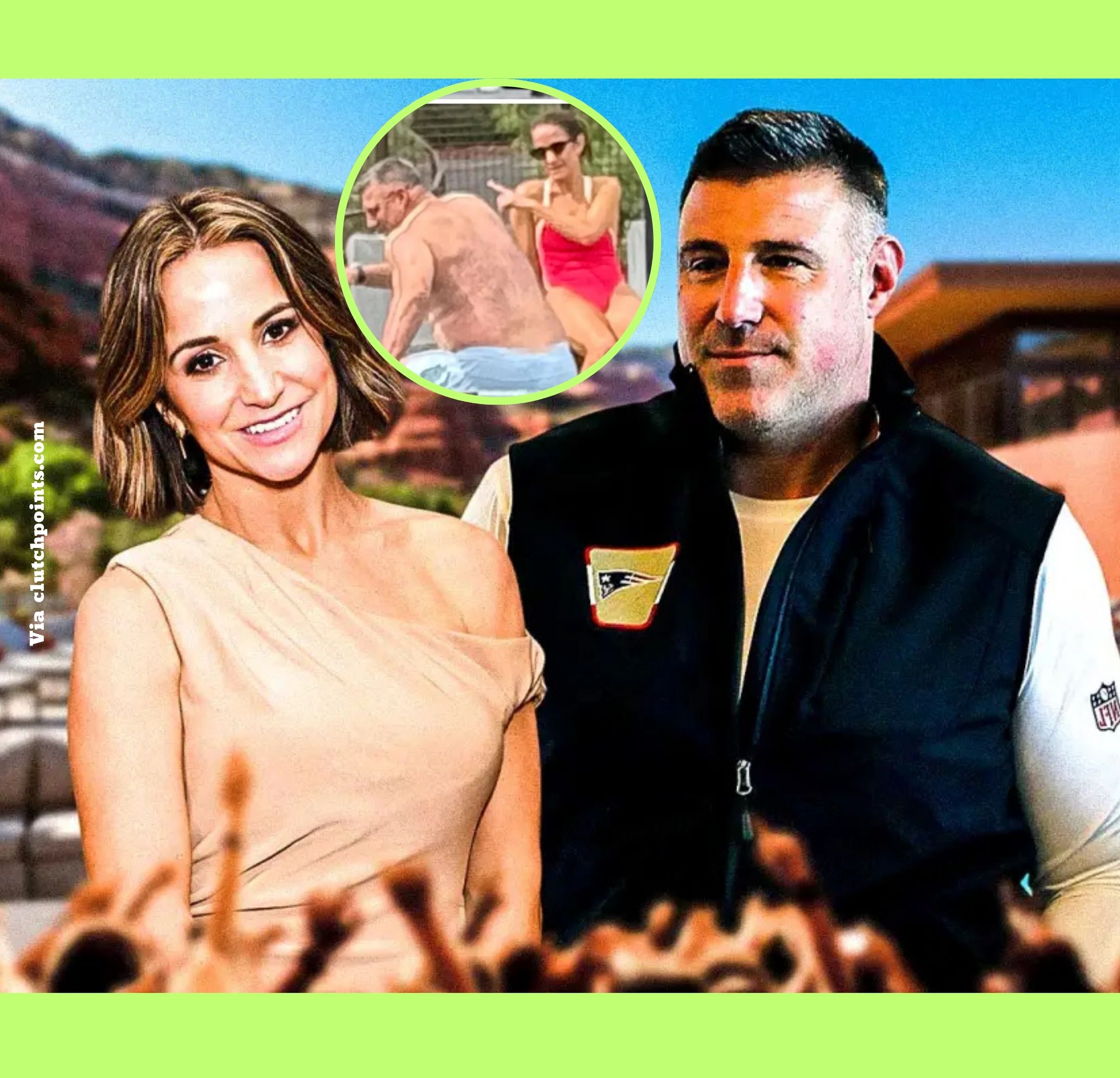
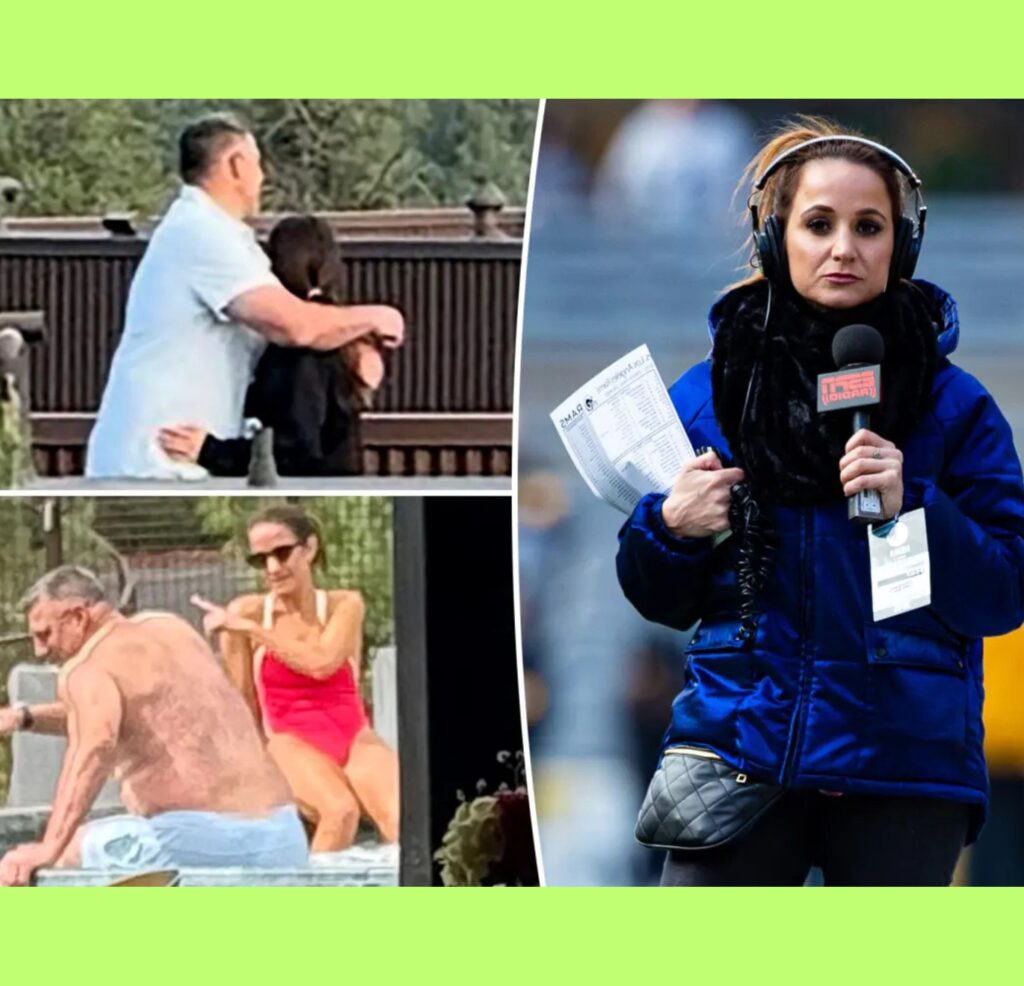
The photos captured Vrabel and Russini holding hands, hugging closely, and relaxing together at the upscale Ambiente resort in Sedona, Arizona.
They were seen poolside, in a hot tub, and sharing breakfast alone, with one striking image showing their fingers interlocked on a rooftop deck.
The pair had traveled to the scenic desert location away from NFL league meetings, fueling speculation of a secret getaway.
Both Vrabel and Russini are married to others, adding layers of controversy to the revelations.
Vrabel, 50, has been wed to his wife Jen since 1999 and shares a family with her. Russini, 43, a respected newsbreaker known for her sharp NFL reporting, has kept her personal life largely private but is also married.
The public nature of the images intensified scrutiny on their personal conduct.
Initial reactions from both parties attempted to downplay the situation.
Vrabel described the photos as “misleading” and “laughable,” while Russini echoed similar sentiments in brief statements.
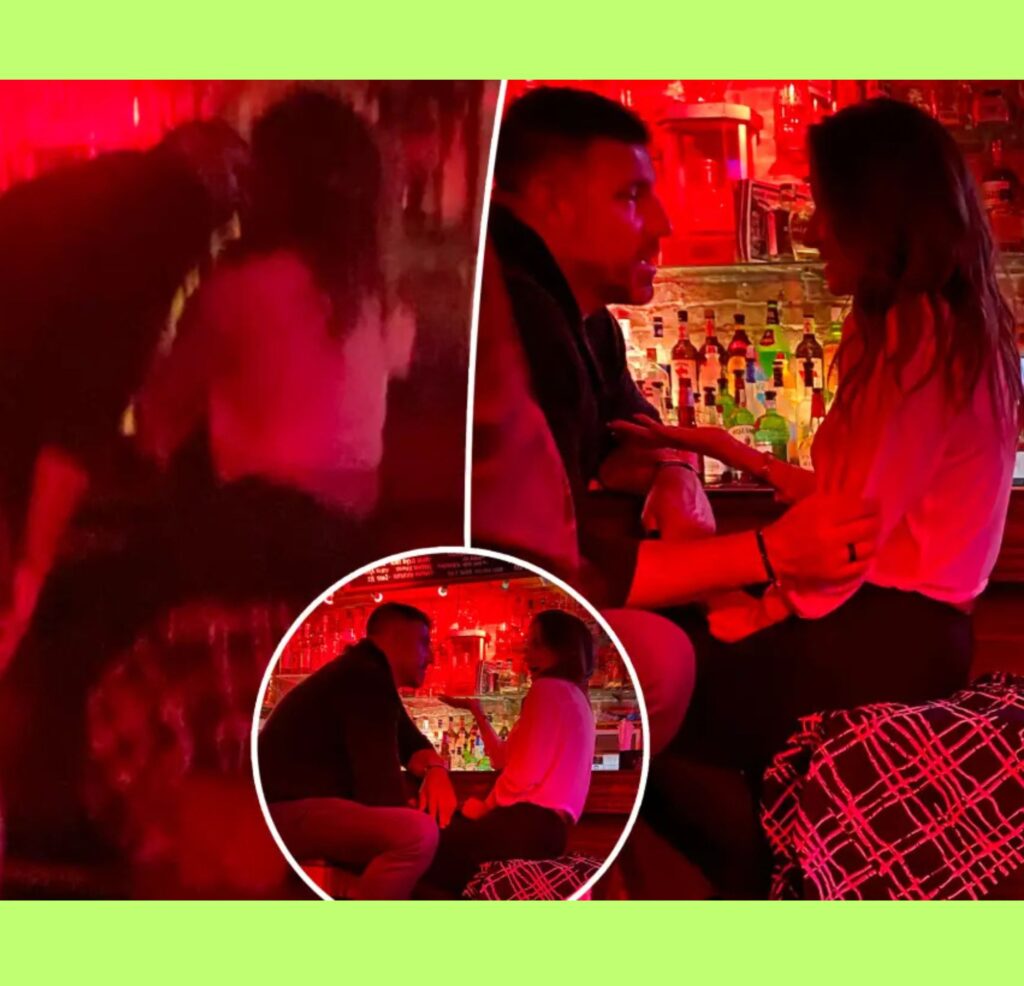
However, the narrative shifted dramatically when additional images surfaced, including ones from a New York City bar in 2020 showing them kissing and another from a Mississippi casino in 2024 where they appeared cozy.
The fallout was swift and severe for Russini. Less than a week after the initial photos broke, she resigned from her position at The Athletic, the New York Times-owned sports journalism outlet where she had been a top NFL insider.
In her resignation letter, Russini cited her unwillingness to endure a prolonged public inquiry and media frenzy that had already inflicted significant personal damage.
Internal investigations and fallout rippled through media organizations.
The Athletic launched a probe into potential ethical breaches regarding reporter-source relationships, prompting broader reviews at other outlets about interactions between journalists and league figures.
Colleagues expressed shock, with some highlighting the challenges of maintaining professional boundaries in the tight-knit NFL world.
Vrabel, meanwhile, faced personal repercussions at home.
Reports indicated he sought counseling and took time away during the NFL Draft to have difficult conversations with his family.
The Patriots organization offered measured support, emphasizing focus on football amid the distraction, though the timing—right before the draft—added pressure on the coach’s leadership.
The scandal has ignited ongoing debates about media ethics in sports journalism.
Critics argue that close personal ties between reporters and coaches or players can compromise objectivity, while defenders note the human element in high-stress environments.
Questions linger about whether such relationships cross professional lines, especially when both parties hold influential roles in the league.
Additional photos from years prior, including the 2020 bar incident and the 2024 casino meetup, have kept the story alive in tabloids and social media.
These revelations suggest a longer history between Vrabel and Russini, intensifying public speculation and calls for greater accountability.

As the NFL community processes the events, the Vrabel-Russini affair underscores the intense public scrutiny faced by prominent figures.
It serves as a cautionary tale about balancing personal lives with professional responsibilities in an era of constant media exposure and paparazzi vigilance.
Ultimately, the scandal highlights the fragile intersection of private relationships and public trust.
While football resumes, the conversation around ethics, conduct, and personal accountability in the NFL is likely to endure long after the final whistle.