
In a story that has gripped social media and sparked intense debate, the case of Christopher Todd Erick highlights the pain of unresolved loss and questions about body donation practices.
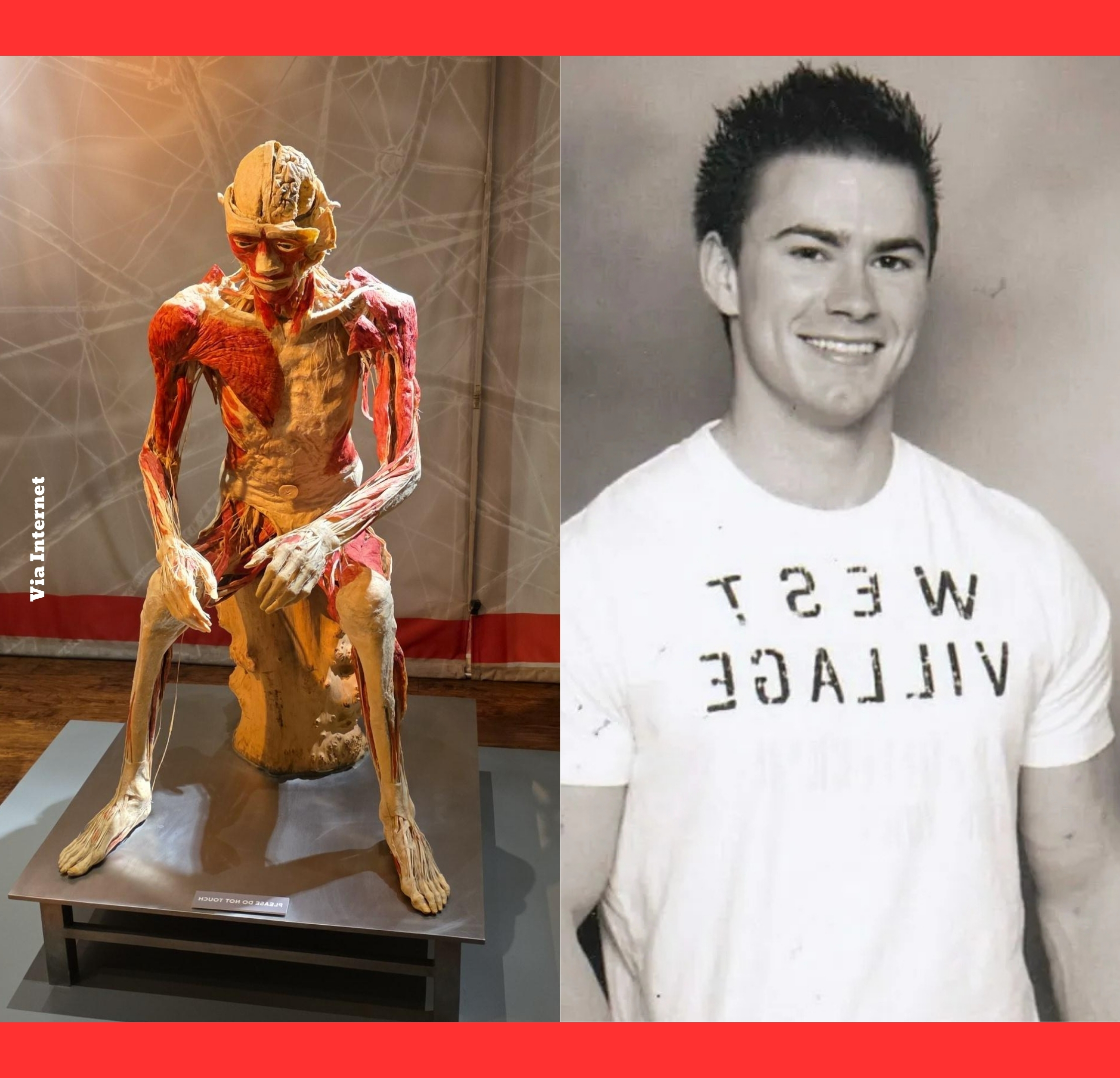
Christopher Todd Erick, a 23-year-old Arizona resident, vanished amid a severe mental health crisis in 2012.
His mother, Kim Erick, was listed as his emergency contact but received no notification due to a reported clerical error that marked him as unclaimed.
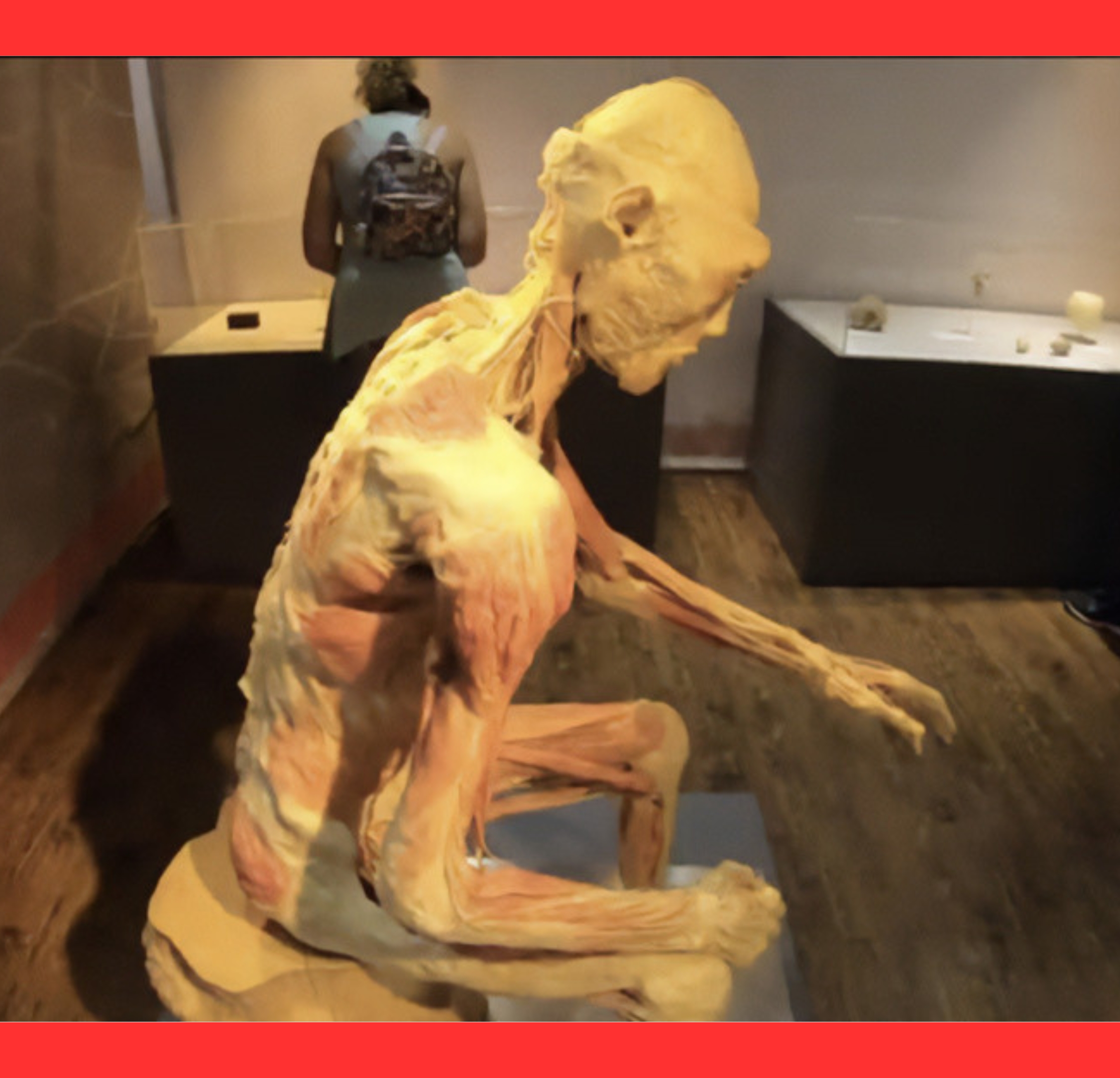
For years, Kim searched desperately for her son, distributing flyers and holding onto faint hope while grappling with the silence from authorities.
Then, around 2018, while viewing a television report on the Real Bodies exhibition in Las Vegas, Kim claims she froze upon seeing a plastinated specimen known as “The Thinker.”
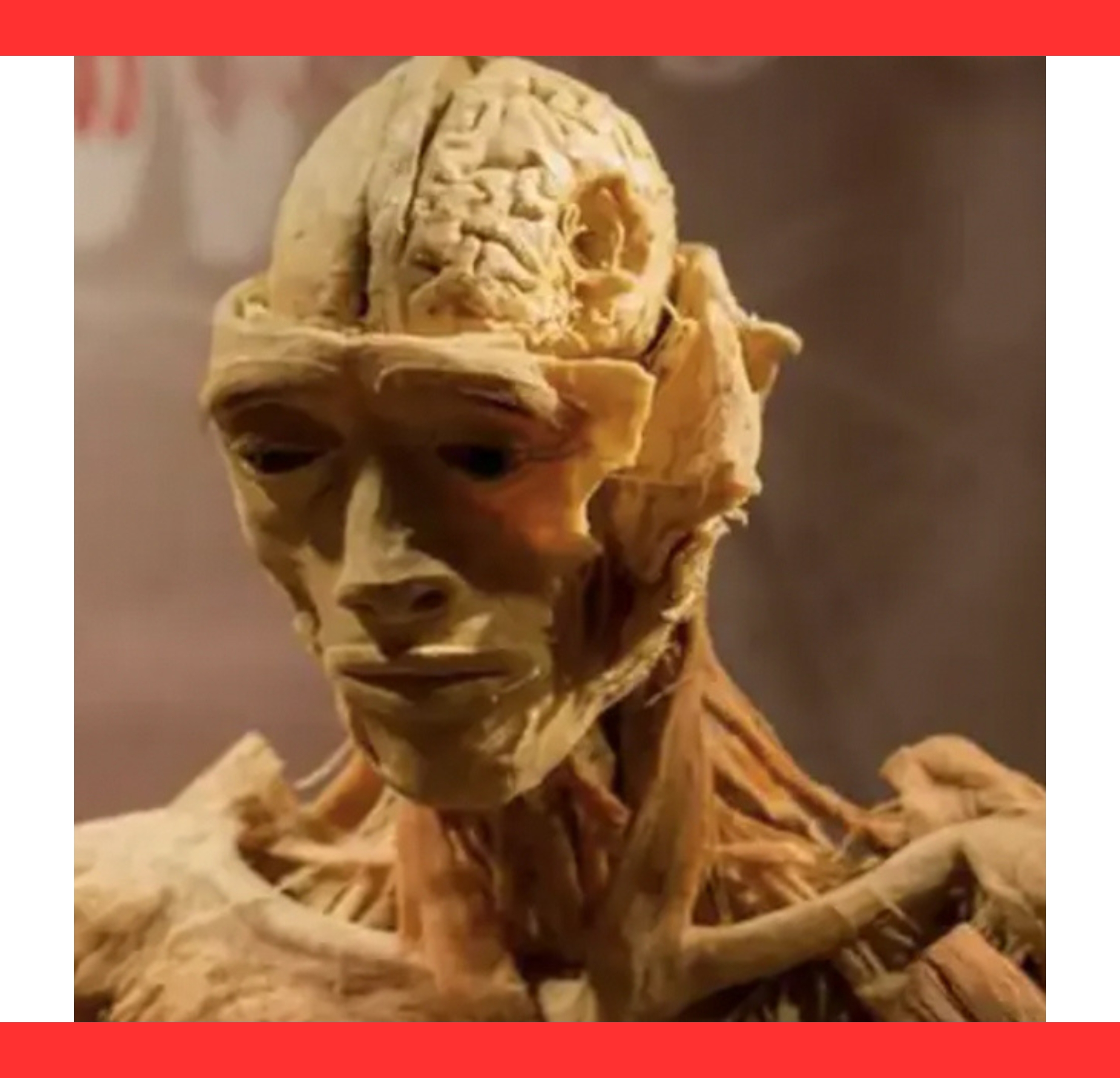
The posed figure, stripped of skin for anatomical display, bore what she insists are unmistakable resemblances to Christopher—from facial structure to subtle body details she knew intimately as his mother.
Overcome with shock, Kim reportedly visited the museum to confront the exhibit in person, her world shattering as she stood before what she believed was her son’s preserved remains on public display.

“I knew instantly it was him,” Kim has stated in emotional accounts circulating online. “No mother should ever have to see her child turned into a tourist attraction without consent.”
Kim has since pursued legal action and public advocacy, demanding the return of what she believes are her son’s remains for a proper burial and seeking accountability for how unclaimed bodies are handled.
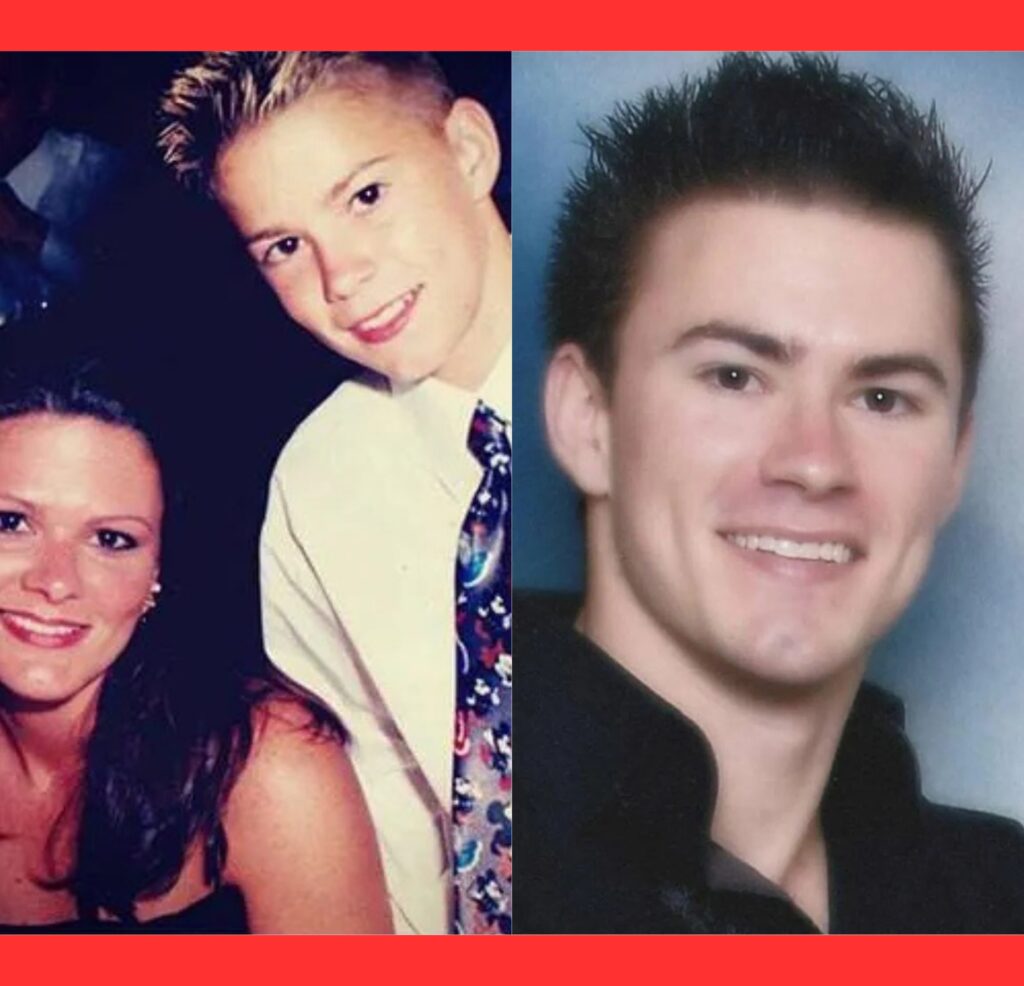
The case has fueled widespread discussion about the ethics of plastination exhibits, the origins of displayed specimens, and systemic failures in notifying families of deaths.
Critics and museum representatives have countered that the specific body in question has been on continuous display since 2004—well before Christopher’s death—raising questions about the claim’s validity.
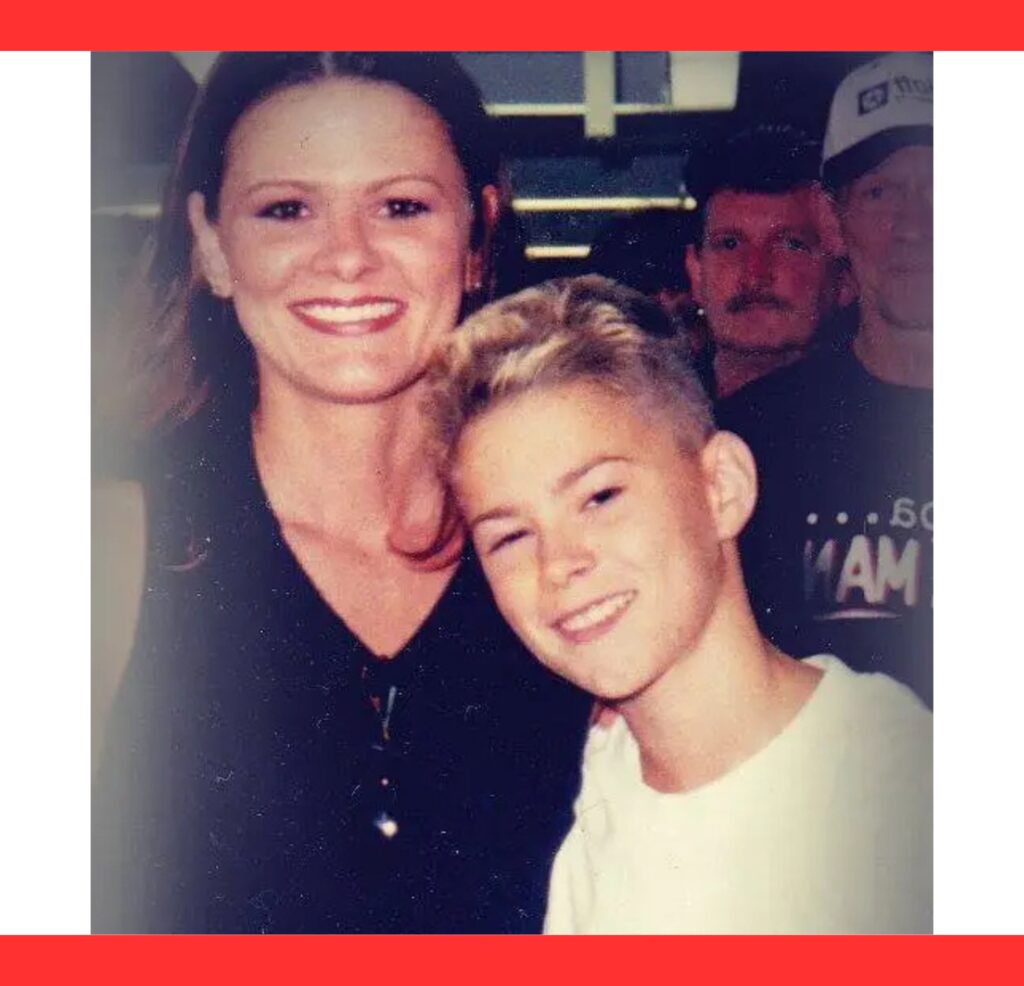
As the controversy continues, Christopher Todd Erick’s story serves as a stark reminder of the profound grief families endure when closure remains elusive, whether through disappearance or disputed discoveries.