
The internet didn’t just react — it exploded. When Adele casually declared, “Music is for the ears, not for the eyes; you’ll never see me sing in a bikini,” she ignited a firestorm that refuses to die down.
In one unfiltered moment, the British powerhouse forced fans, fellow artists, and critics to confront a question that’s been simmering for years: has modern pop performance become more strip club than concert stage?
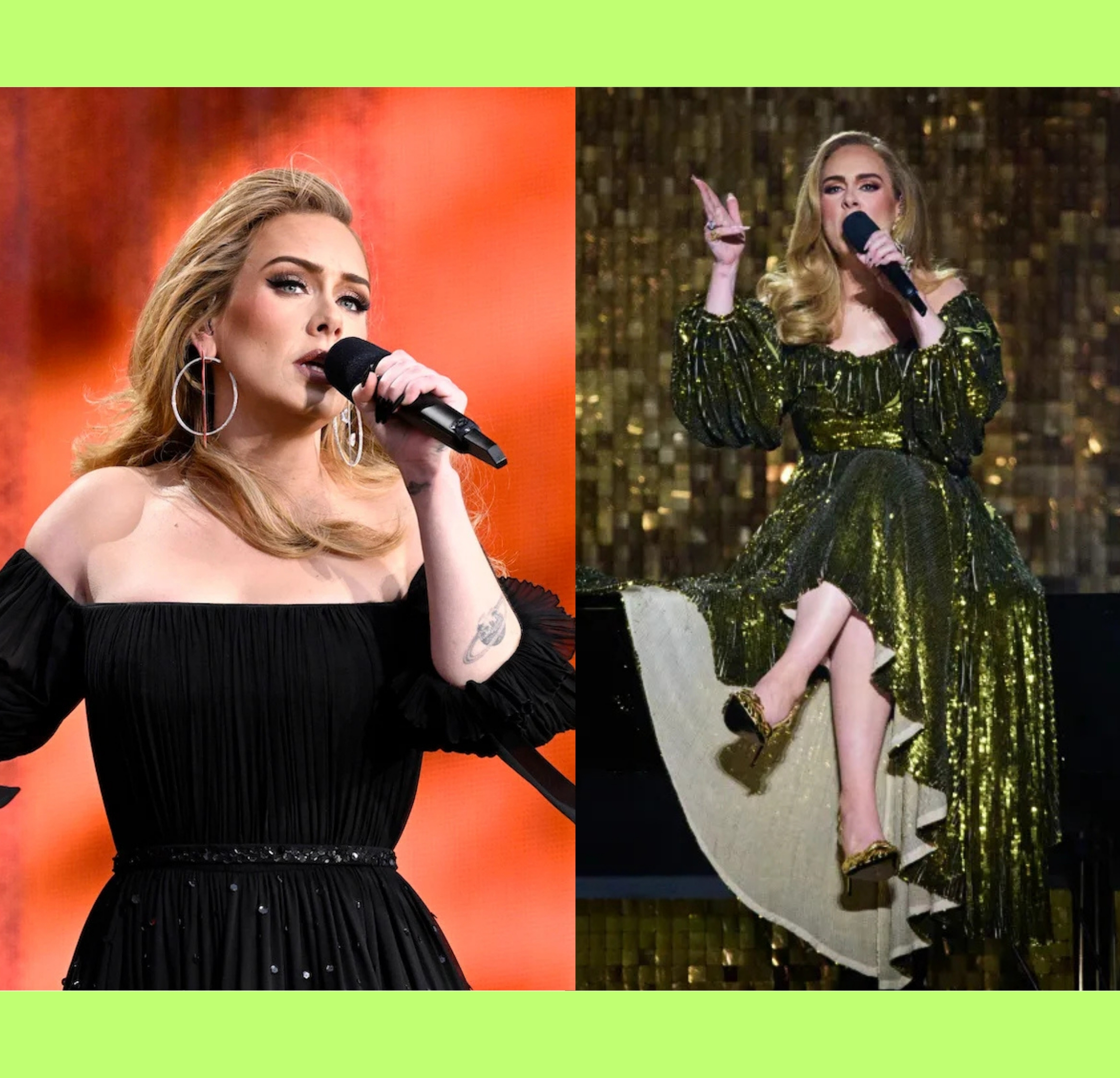
The quote surfaced during a recent candid interview and instantly spread like wildfire across social platforms.
Adele, never one to chase trends, doubled down on her belief that vocal talent should stand alone without the need for skin-showing shock value.
For many longtime fans, it felt like a refreshing exhale in an era of ever-more-revealing choreography and costumes.
Compare that to the current landscape. From Coachella stages to award shows, a growing number of female megastars treat performances like high-fashion runway meets burlesque.
Thongs, sheer bodysuits, strategic pasties — the less fabric, the more buzz it seems to generate.
Artists like Cardi B, Megan Thee Stallion, and Doja Cat have mastered turning their bodies into visual spectacles that dominate highlight reels.
Supporters of Adele’s stance argue this shift dilutes the very essence of music.
They say when outfits become the headline, the songwriting, the voice, and the emotional storytelling get pushed into the background.
“We pay hundreds for tickets to hear the music, not to see lingerie,” one viral comment read.
On the flip side, defenders call Adele’s comment outdated and even judgmental.
They frame provocative stage wear as empowerment, artistic expression, and a bold reclamation of sexuality in a historically controlling industry.
“My body, my stage, my rules,” has become the rallying cry for a new generation of performers who see no shame in blending sensuality with sound.
Social media turned the debate into a battlefield. X threads swelled with thousands of replies, TikTok stitches pitted Adele clips against twerking routines, and Instagram polls showed a near 50-50 split.
Younger fans accused the 36-year-old of body-shaming, while older audiences cheered her for keeping the focus where they believe it belongs — on raw talent.
Behind the scenes, music executives quietly admit the pressure is real.
Streaming algorithms reward viral moments, and nothing spreads faster than a barely-there outfit paired with a catchy hook.
Emerging female artists often feel they must play the visual game or risk being ignored in a saturated market.
Adele’s own career serves as living proof that another path exists.
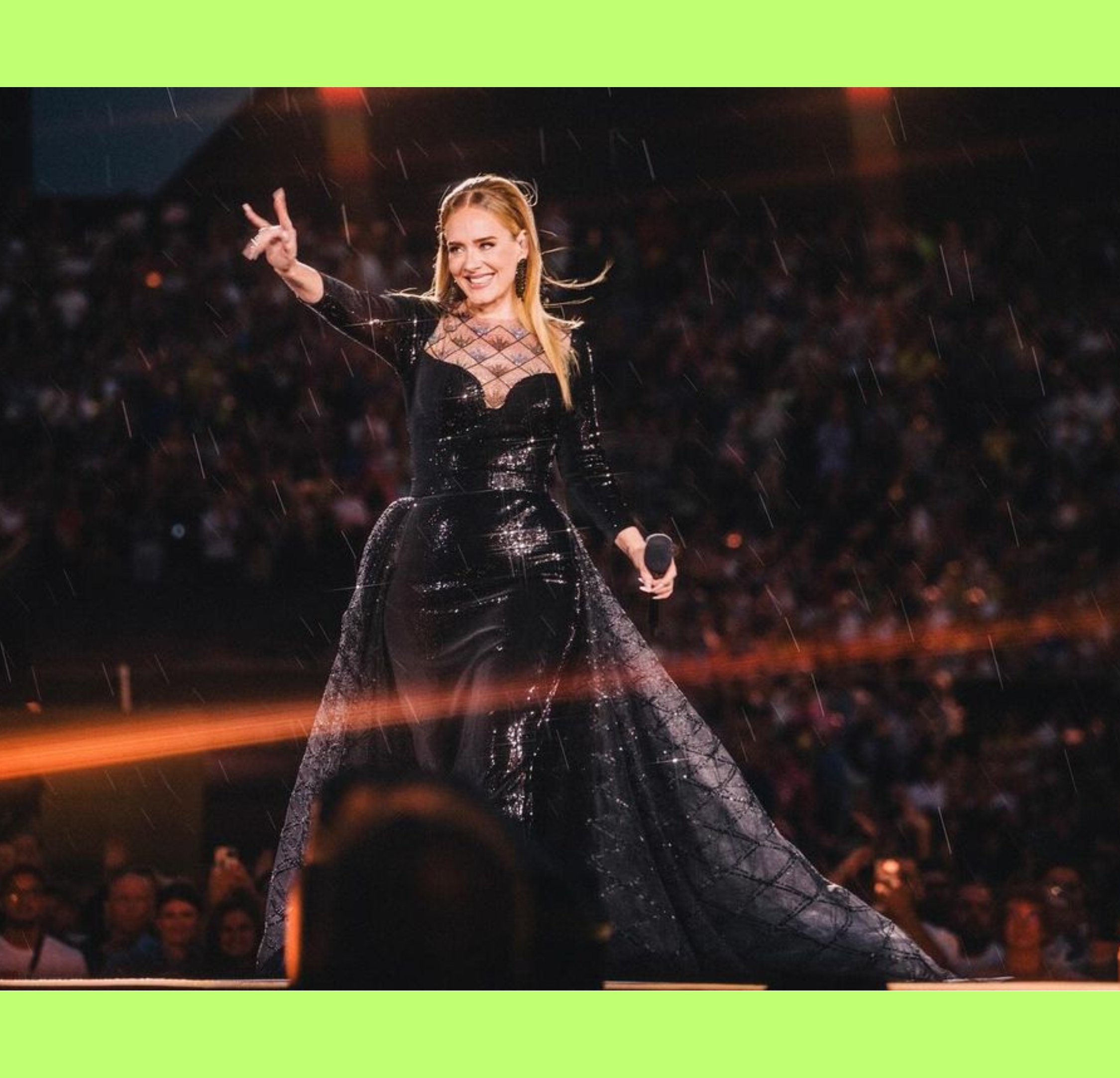
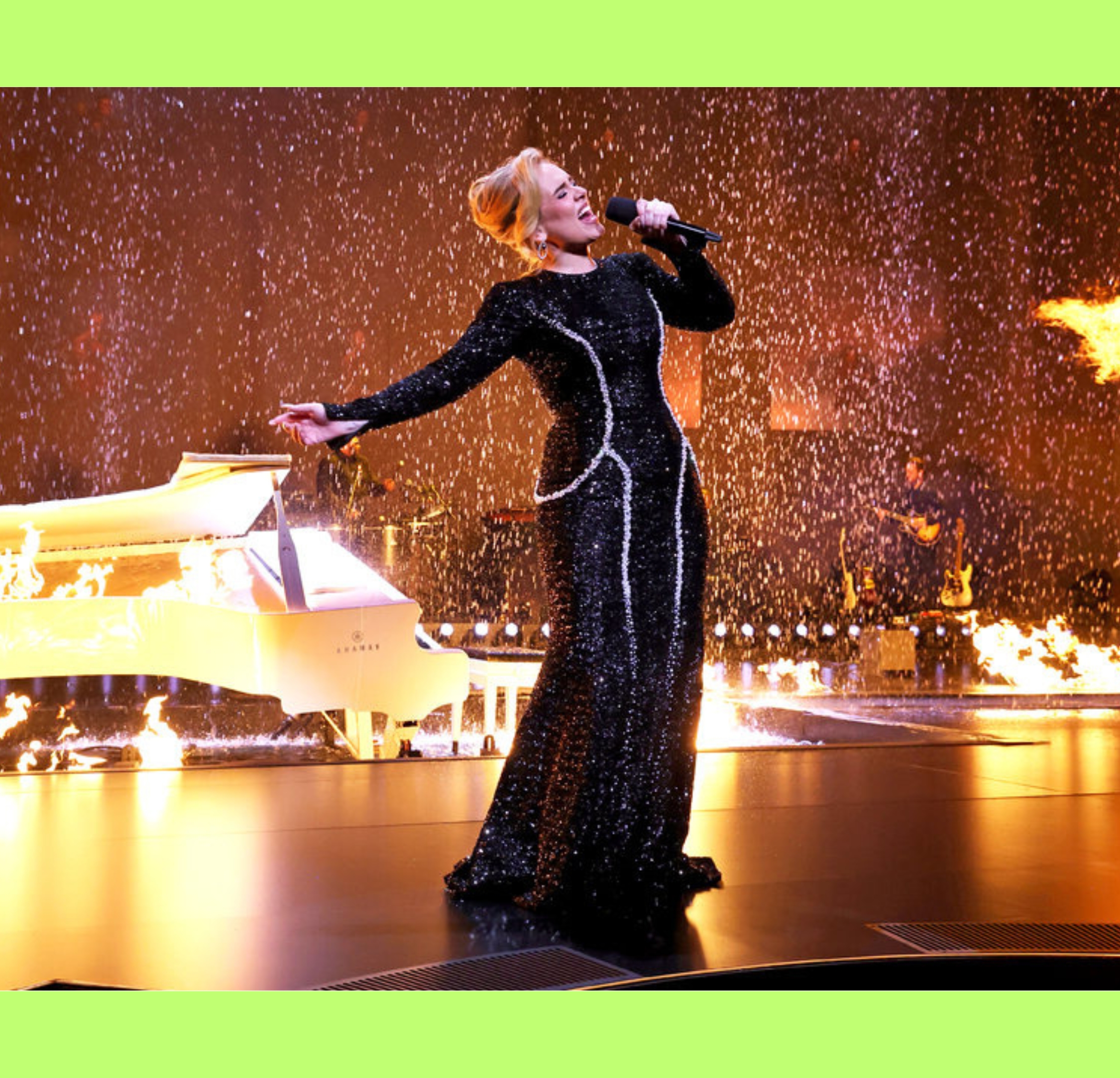
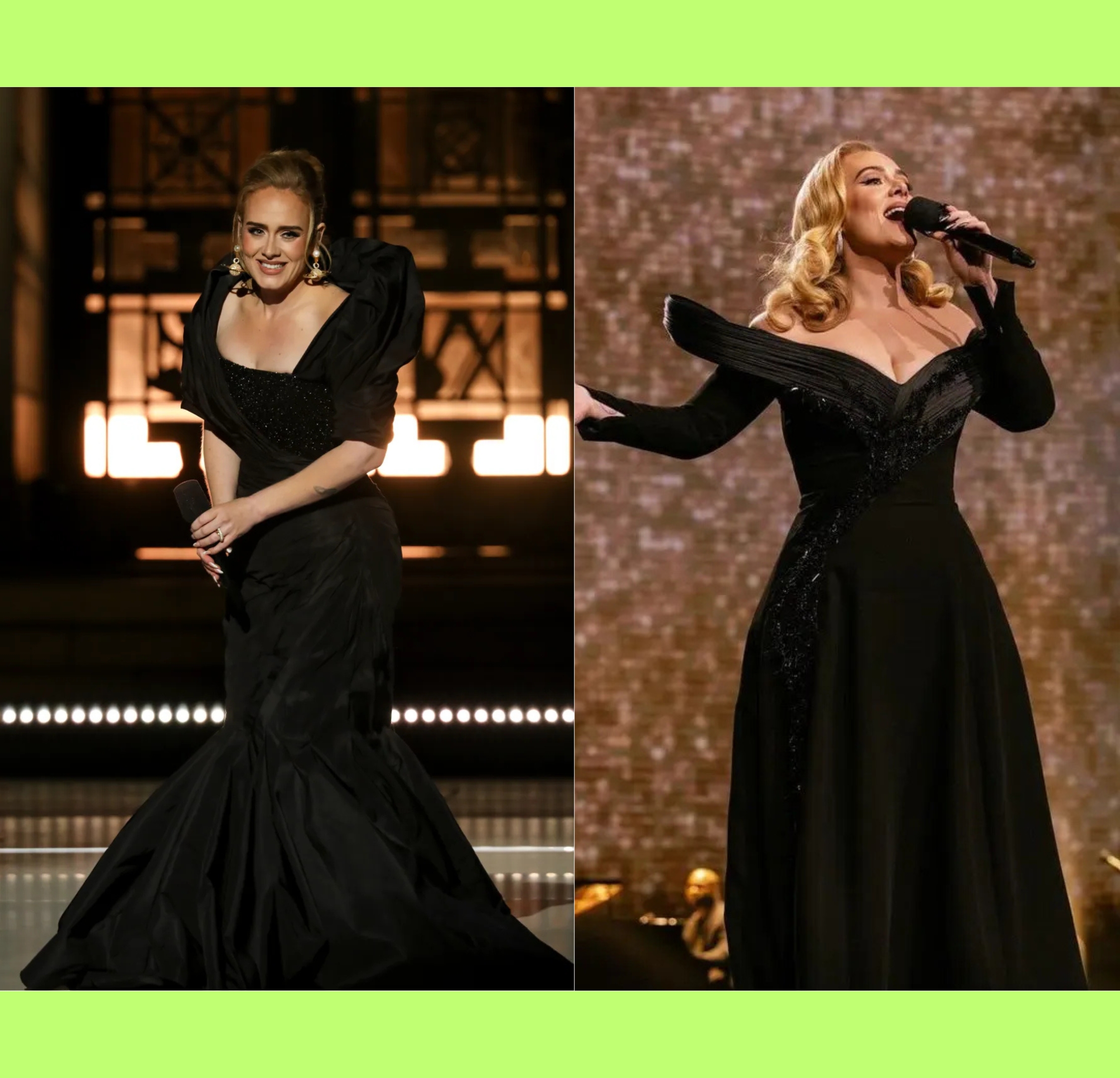
Despite public battles with weight, media scrutiny, and personal heartbreak, she has consistently sold out arenas by simply standing still and delivering goosebump-inducing vocals.
No pyrotechnics. No wardrobe malfunctions. Just music.

This controversy goes deeper than clothing choices.
It touches on feminism’s evolving definitions, the commodification of the female body, and whether true artistic freedom includes the freedom to cover up — or not.
Adele has forced the industry to look in the mirror.
As the dust continues to settle, one thing is clear: her words have struck a nerve precisely because they challenge the status quo.
Whether you agree with her or not, Adele has reminded everyone that sometimes the most provocative thing a superstar can do is refuse to play the game.
The conversation she started is far from over — and the music world is all ears.