
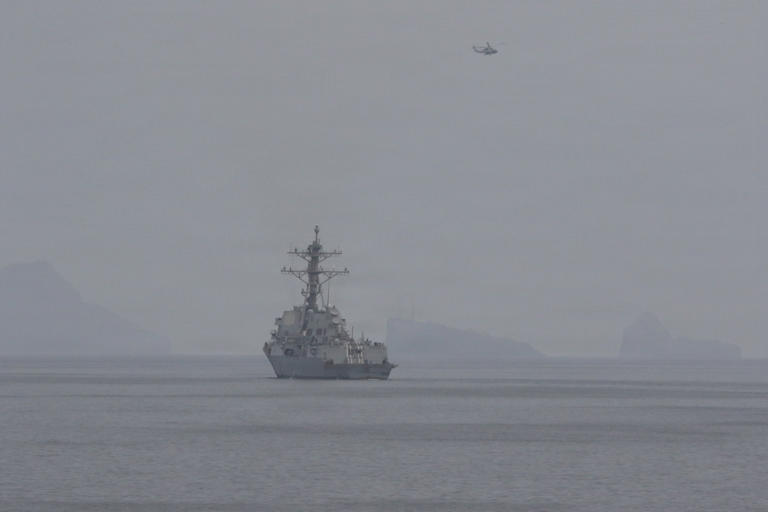
The United States has imposed a naval blockade on Iranian ports in the Strait of Hormuz, a critical chokepoint for global oil shipments. The move began this week after initial peace talks failed, aiming to cut off Iran’s oil exports and increase pressure amid the ongoing conflict.
MSN / Via msn.com
U.S. Navy warships are actively enforcing the blockade, issuing warnings to vessels and turning back ships attempting to enter or exit Iranian ports. The Pentagon reports that no unauthorized ships have breached the restrictions so far, with several merchant vessels complying and reversing course.

WSJ / Via wsj.com
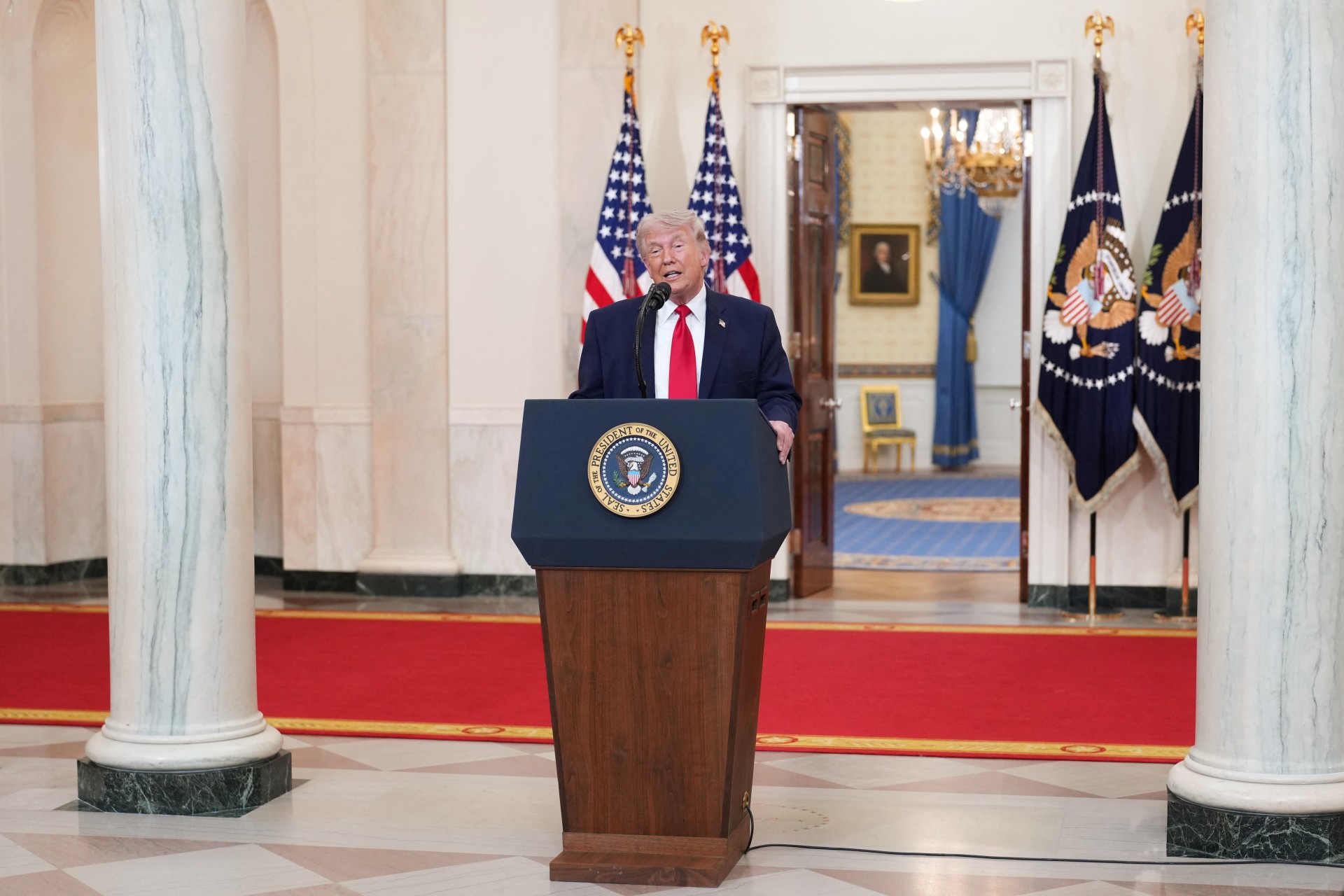
President Trump has stated that China has agreed not to supply weapons to Iran, following reports of potential arms shipments. He described receiving personal assurances from President Xi Jinping, framing it as a diplomatic win while vowing to keep the Strait of Hormuz open permanently.
Council on Foreign Relations / Via cfr.org
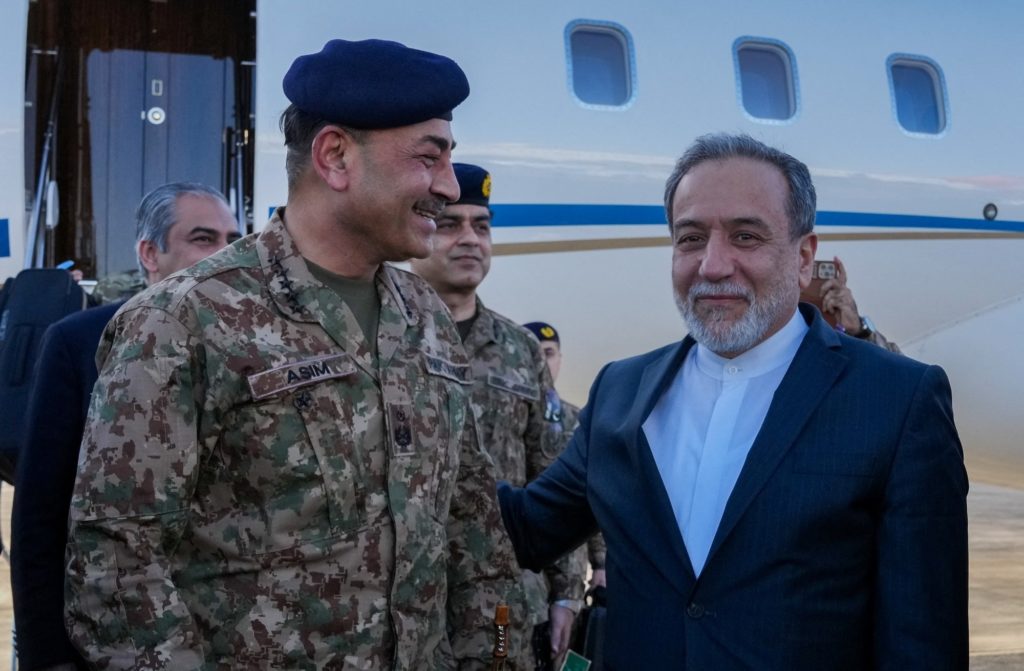
Meanwhile, a high-level Pakistani delegation led by Army Chief Asim Munir arrived in Tehran on Wednesday. The group is mediating to arrange a second round of direct U.S.-Iran negotiations, building on the fragile ceasefire set to expire soon.
PBS News / Via pbs.org
The Pakistani efforts focus on reviving talks that stalled in Islamabad last weekend. Sources indicate optimism for progress on key issues, including Iran’s nuclear program, before the current truce ends on April 21.

WPTF / Via wptf.com
The blockade has heightened tensions in the region, with potential impacts on global energy markets. Both military pressure and diplomatic mediation continue simultaneously as the U.S. and Iran navigate the path toward a possible resolution.
MSN / Via msn.com
This delicate balance of escalation and negotiation underscores the high stakes in the U.S.-Iran conflict.