
President Donald Trump has escalated his long-running feud with Federal Reserve Chair Jerome Powell, recently threatening to fire him if Powell does not step down when his term as chair ends on May 15. Trump linked the pressure to broader economic challenges, including fallout from the ongoing Iran conflict that has driven up inflation and energy costs.
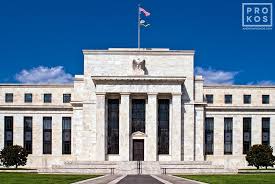
PROKOS / Via andrewprokos.com
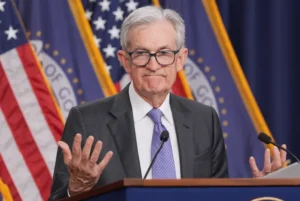
The president expressed frustration over interest rates and the Federal Reserve’s handling of monetary policy during a Fox Business interview. He stated that if Powell chooses to remain in his role beyond the chair term, “I’ll have to fire him,” signaling renewed determination to install his nominee, Kevin Warsh, as soon as possible.
The Seattle Times / Via seattletimes.com
Powell has responded firmly, vowing to stay on as a Fed governor until a related Department of Justice investigation concludes. The probe examines cost overruns on a major renovation project at the Federal Reserve’s headquarters, and Powell insists on full transparency before departing.
Reuters/ Via reuters.com
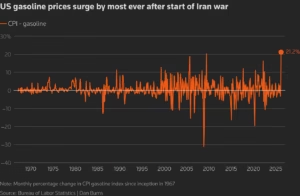
The standoff has intensified concerns about the economic impact of the U.S.-Iran conflict, with rising gasoline prices and persistent inflation adding pressure on the central bank. Trump has repeatedly criticized Powell for not cutting rates aggressively enough amid these external shocks.
PROKOS / Via andrewprokos.com
Critics warn that any attempt to remove Powell could severely damage the perceived independence of the Federal Reserve. Markets and economists view central bank autonomy as essential for credible monetary policy and long-term economic stability.
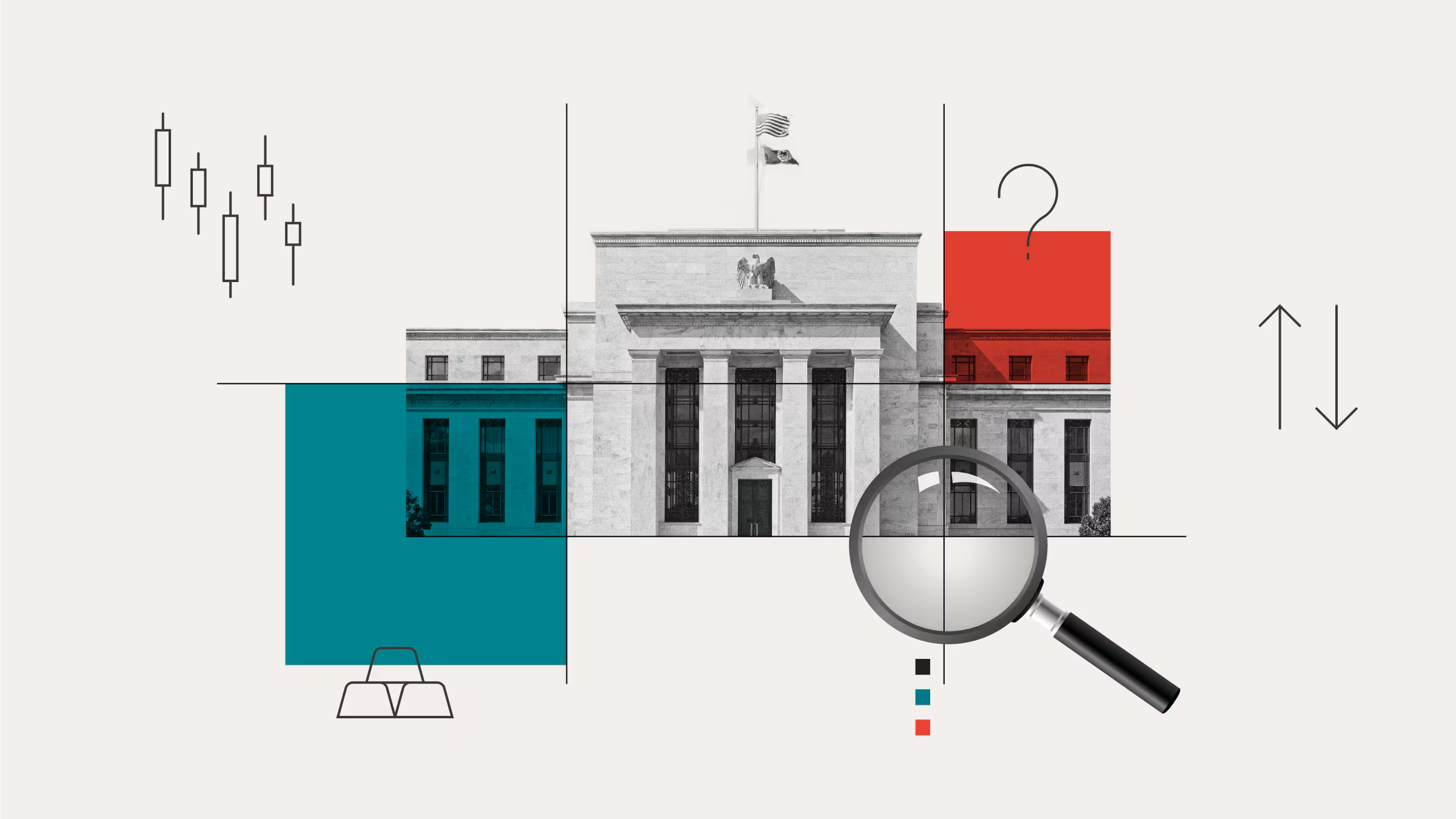
Morningstar / Via morningstar.com
As the May 15 deadline approaches, this high-profile clash between the White House and the Fed continues to dominate financial headlines. The outcome could shape interest rate decisions, investor confidence, and the broader U.S. economy heading into the 2026 midterms.
This developing story underscores the tension between political leadership and institutional independence in managing America’s economic challenges.