
They called me the ugliest woman in the world as the crowd howled with laughter.
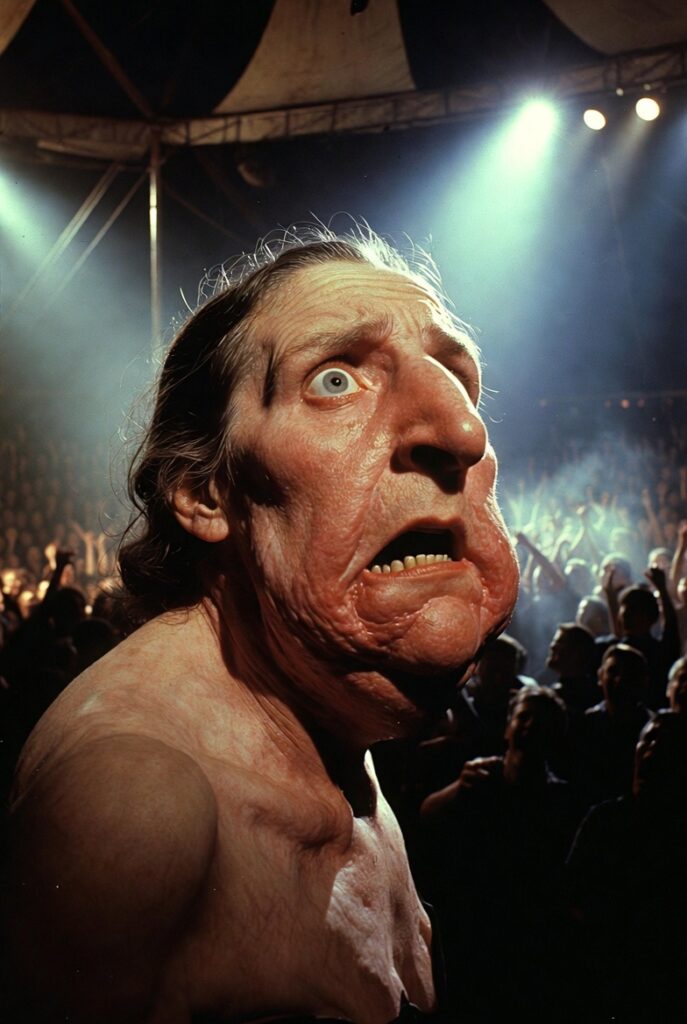
I stood frozen on that Coney Island stage, my swollen face burning under the lights, feeling every cruel stare like a dagger to my heart.
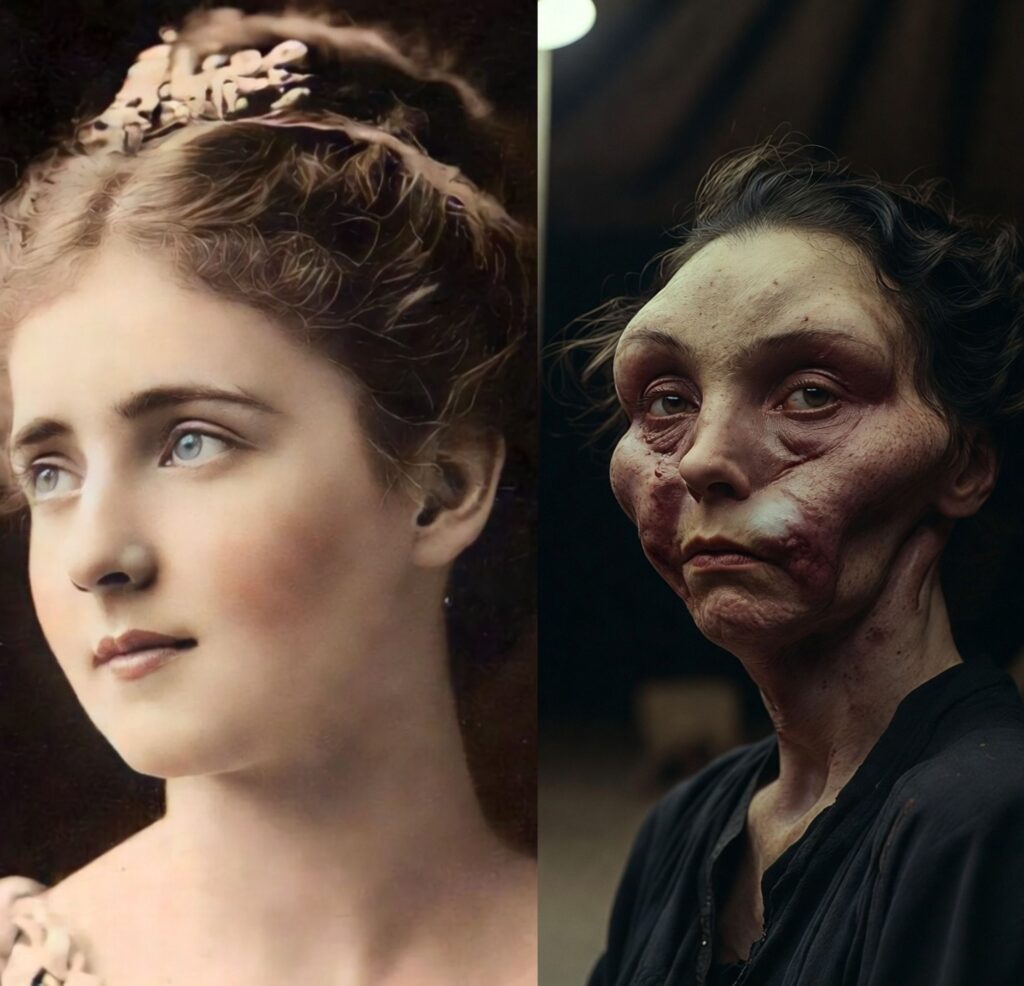
But I lifted my chin and smiled anyway. Because those tickets they bought fed my four children back home.
I was no freak. I was Mary Ann Bevan – a mother willing to trade her dignity to keep her babies alive.
Once upon a time, I was beautiful. A nurse in London with soft features and a gentle smile that eased patients’ pain.
Life was simple, full of hope and small joys.
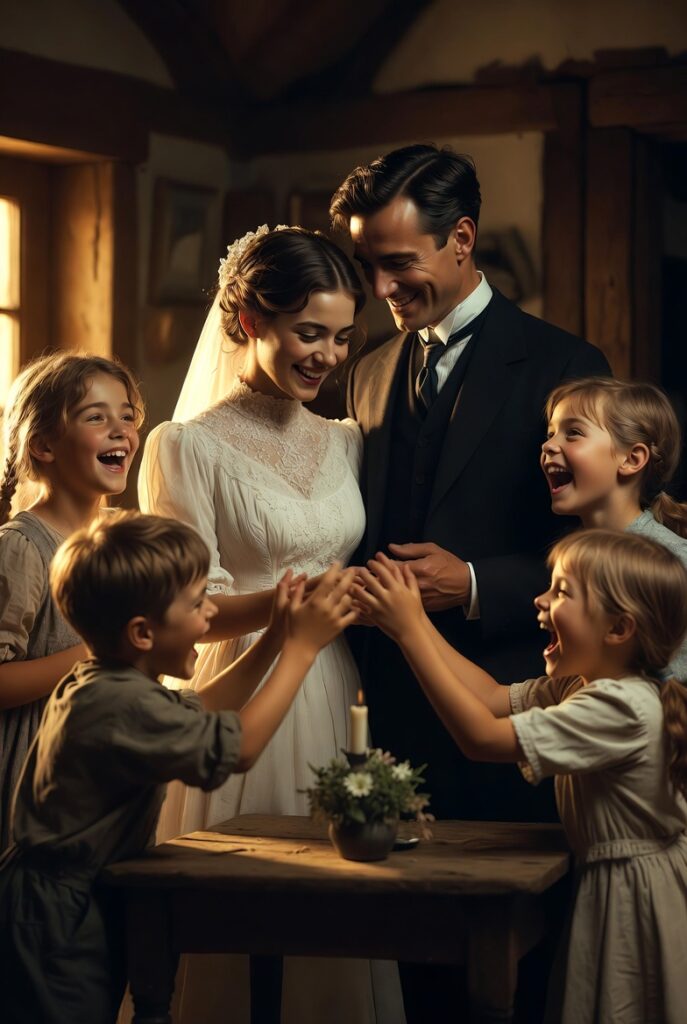
Then Thomas swept me off my feet in 1902. We married, and our home filled with laughter as John, Emily, little Thomas, and baby Annie arrived one by one.
We were poor, but our love made us rich.
The change came slowly after my thirties. My jaw jutted out, my forehead thickened, my hands grew large and coarse. Acromegaly, the doctors said.
No cure. Thomas held me through the tears. ‘You’re still my everything.’
In 1914, Thomas died without warning. No more wages, just four hungry children and mounting bills.
I watched them grow pale and quiet as I struggled to put food on the table.
Desperation pushed me to it.
I saw the newspaper ad: ‘Ugliest Woman Wanted. Good pay guaranteed.’ Hands shaking, I mailed my photograph. Winning that horrible title felt like dying inside, but what choice did a widow have?
They brought me to America for the sideshows. Night after night in Dreamland and with Ringling Brothers, strangers poked and laughed.
I endured it all, wiring every penny home so my babies could survive.
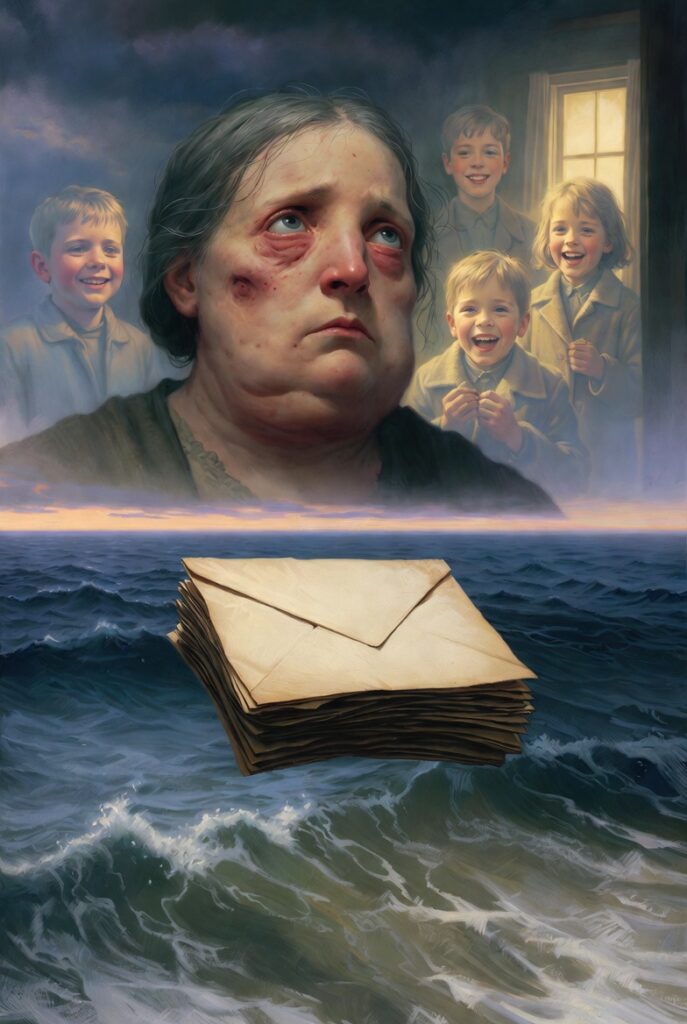
Then the letter arrived that destroyed me.
From my eldest, John. ‘Mother, the village knows your ‘job.’ Kids get bullied daily. I told everyone you died. Don’t write anymore. Your money brings only shame.’
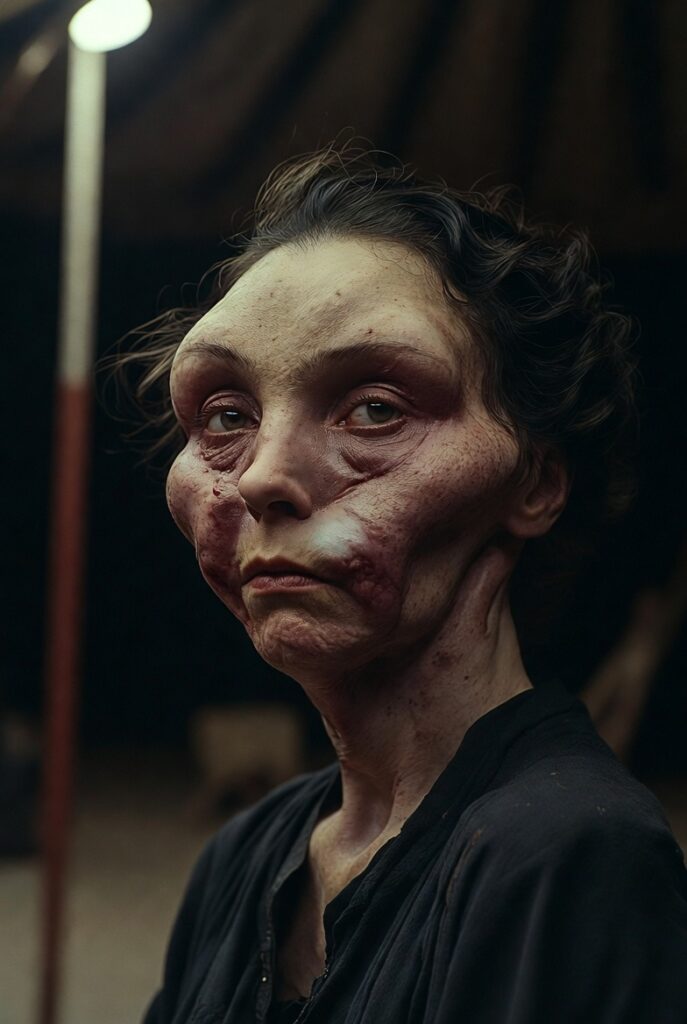
The betrayal cut deeper than the disease.
My sister disowned me for the family ‘disgrace.’ Neighbors pitied then avoided my children.
Even Emily’s letters grew cold. I became a ghost to my own flesh and blood while the world mocked me.
Still, I performed. Through the pain and loneliness on endless tours, I sent money through a secret friend.
I whispered prayers for them every night, wondering if they’d ever forgive their ugly mother.
It was my final night in the big top, 1933. The tent glowed with lanterns, the crowd roaring as I stepped into the center ring one last time.
My body was failing, but I scanned the faces, hoping against hope.
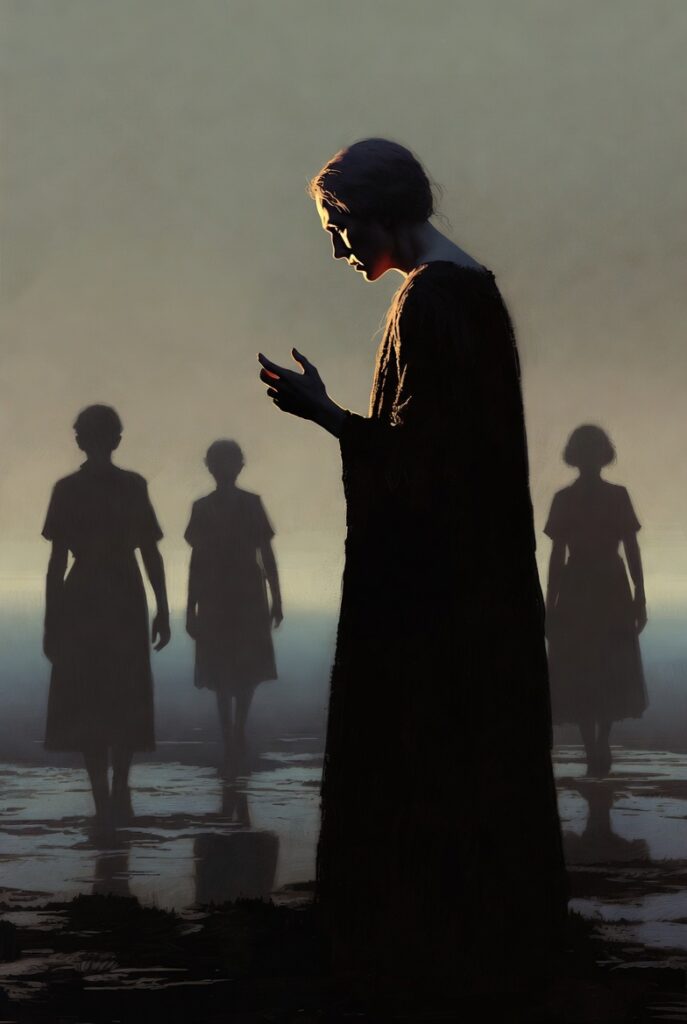
Suddenly, a voice cut through the noise. ‘Mother!’ John pushed forward, tears streaming, my other children behind him. ‘I lied in that letter to protect them from the taunts at school. We’ve saved it all – your sacrifice gave us education, a future. We know the truth now. You’re the most beautiful mother in the world.’ They rushed the stage, wrapping me in their arms as the crowd fell silent.
In that embrace, all the heartbreak melted. My love had won.