
In our daily routines, it’s easy to develop small habits that seem insignificant at first glance.
One such common impulse is the urge to pull or pick at that tiny, loose piece of skin that often appears next to the fingernail, commonly known as a hangnail.
While it might feel satisfying in the moment, medical experts strongly advise against it due to the potential consequences for your hand health.
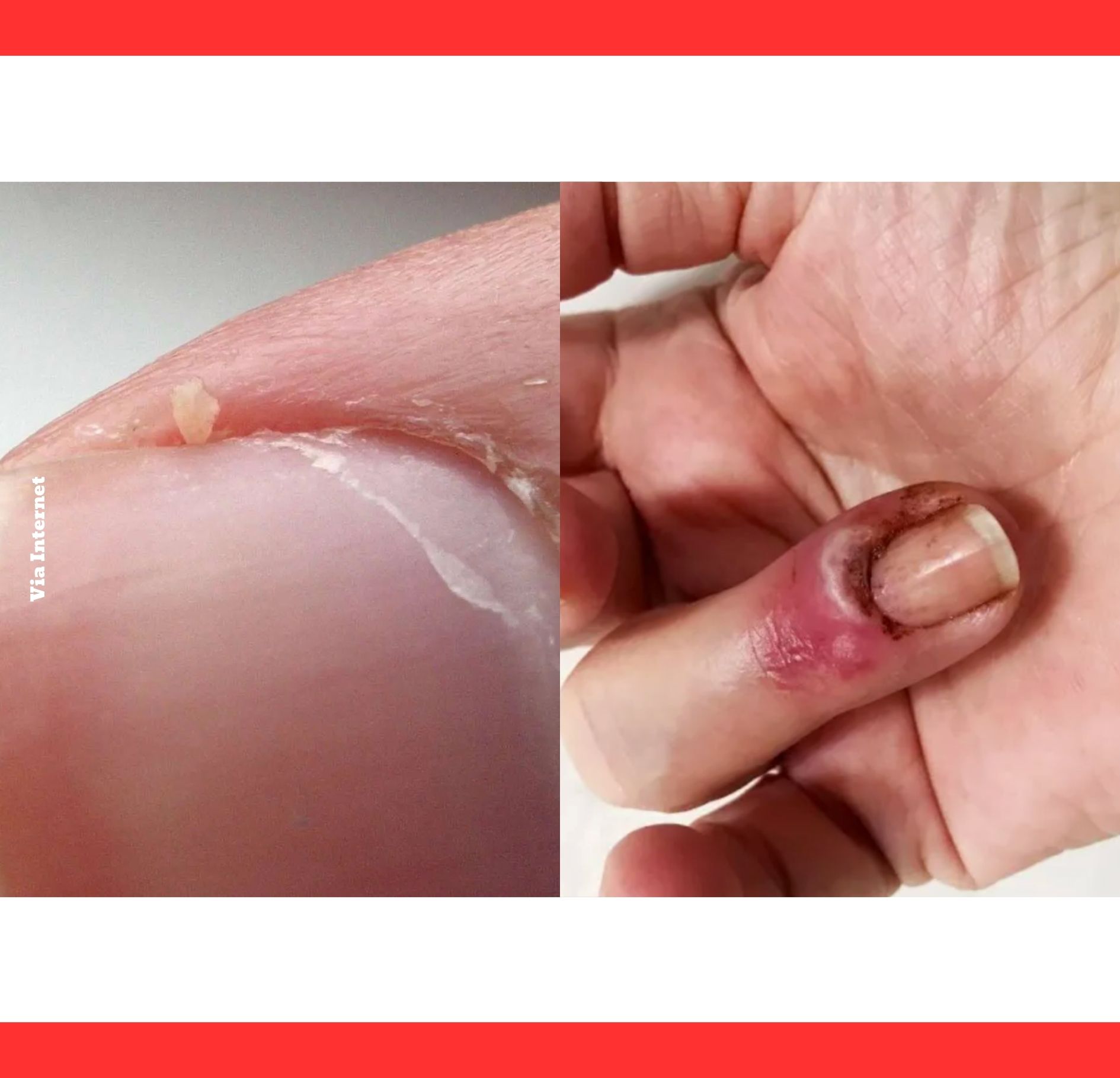
That small flap of skin is part of the cuticle area or the lateral nail fold. It acts as a natural barrier, protecting the sensitive nail bed from external irritants, bacteria, and moisture that could lead to complications.
When skin dries out, especially in cold weather or with frequent hand washing, these hangnails form from minor tears.
People are often tempted to pull these annoying skin tags because they catch on fabrics, feel rough to the touch, or simply look unkempt.
In stressful situations or while bored, this picking behavior can become almost automatic, turning into a subconscious habit that’s hard to break.
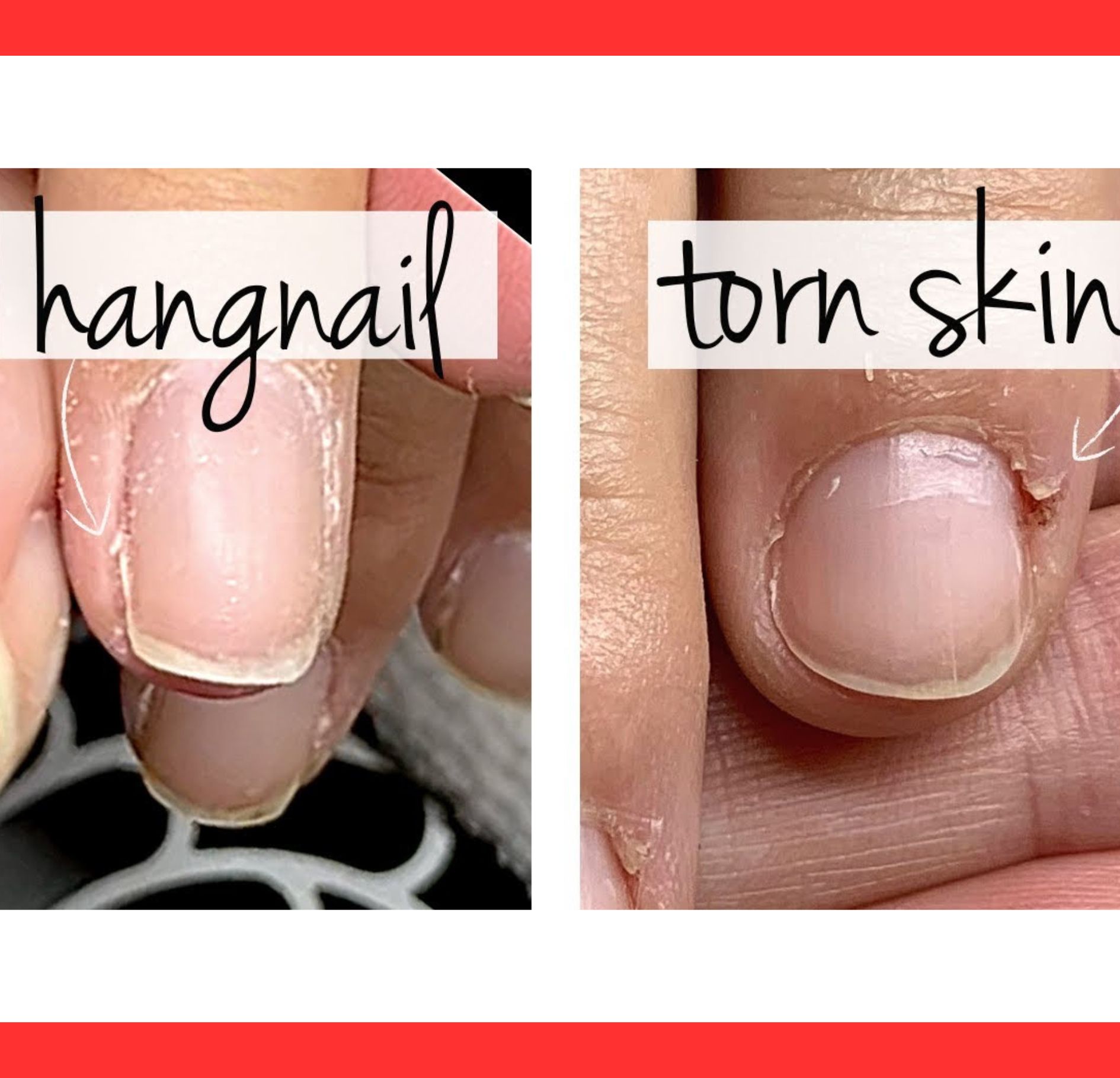
The immediate effects of yanking on the skin can be surprisingly painful.
It often results in tearing beyond the dead skin into living tissue, causing bleeding, soreness, and inflammation that can make simple tasks like typing or gripping objects uncomfortable for days.
More critically, pulling the skin creates an open portal for bacteria and fungi to enter.
The area around the nails is warm and moist, providing an ideal environment for infections to take hold quickly after such trauma.
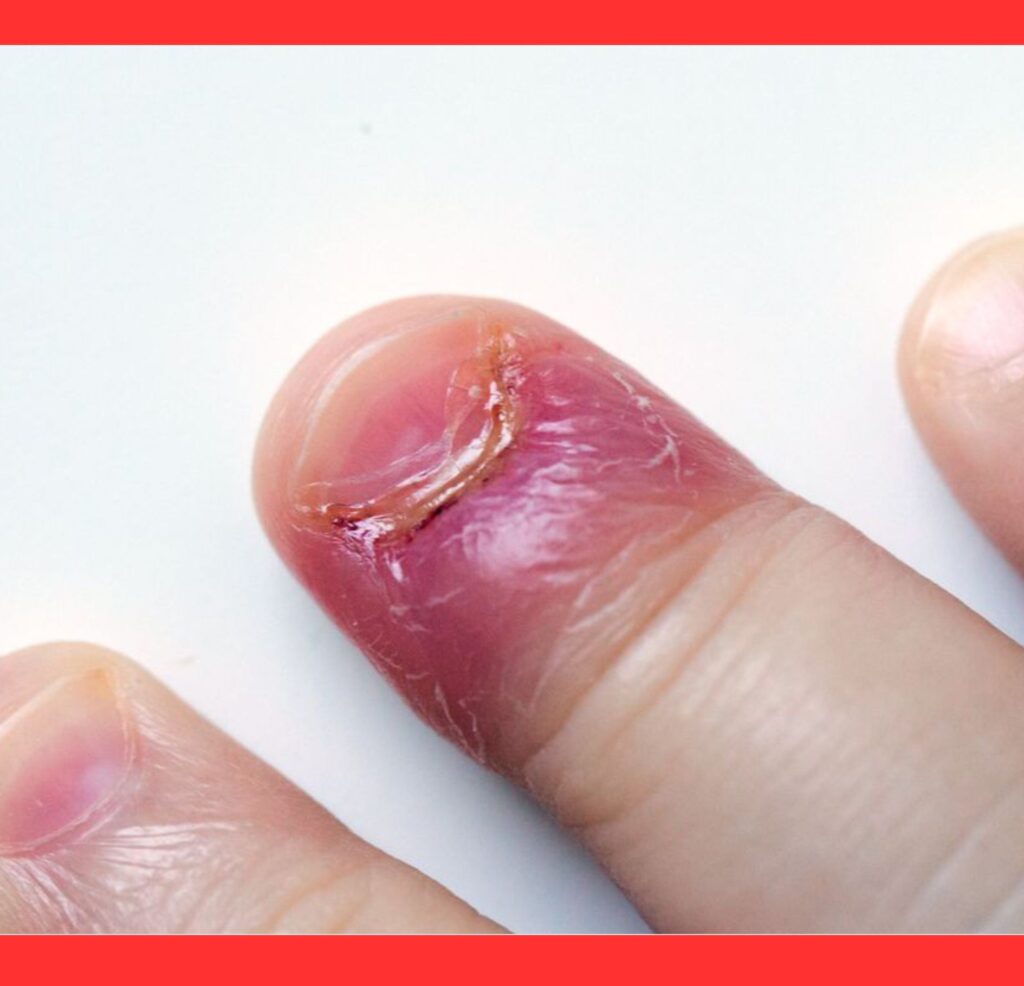
One frequent outcome is paronychia, a painful infection of the skin surrounding the nail.
This condition manifests with redness, swelling, pus formation, and intense throbbing.
Acute cases can resolve with care, but chronic paronychia may persist and affect nail growth.
In worse scenarios, the infection can spread deeper or lead to abscesses requiring professional drainage.
Individuals with diabetes or weakened immune systems face higher risks of severe complications from what starts as a minor nail issue.
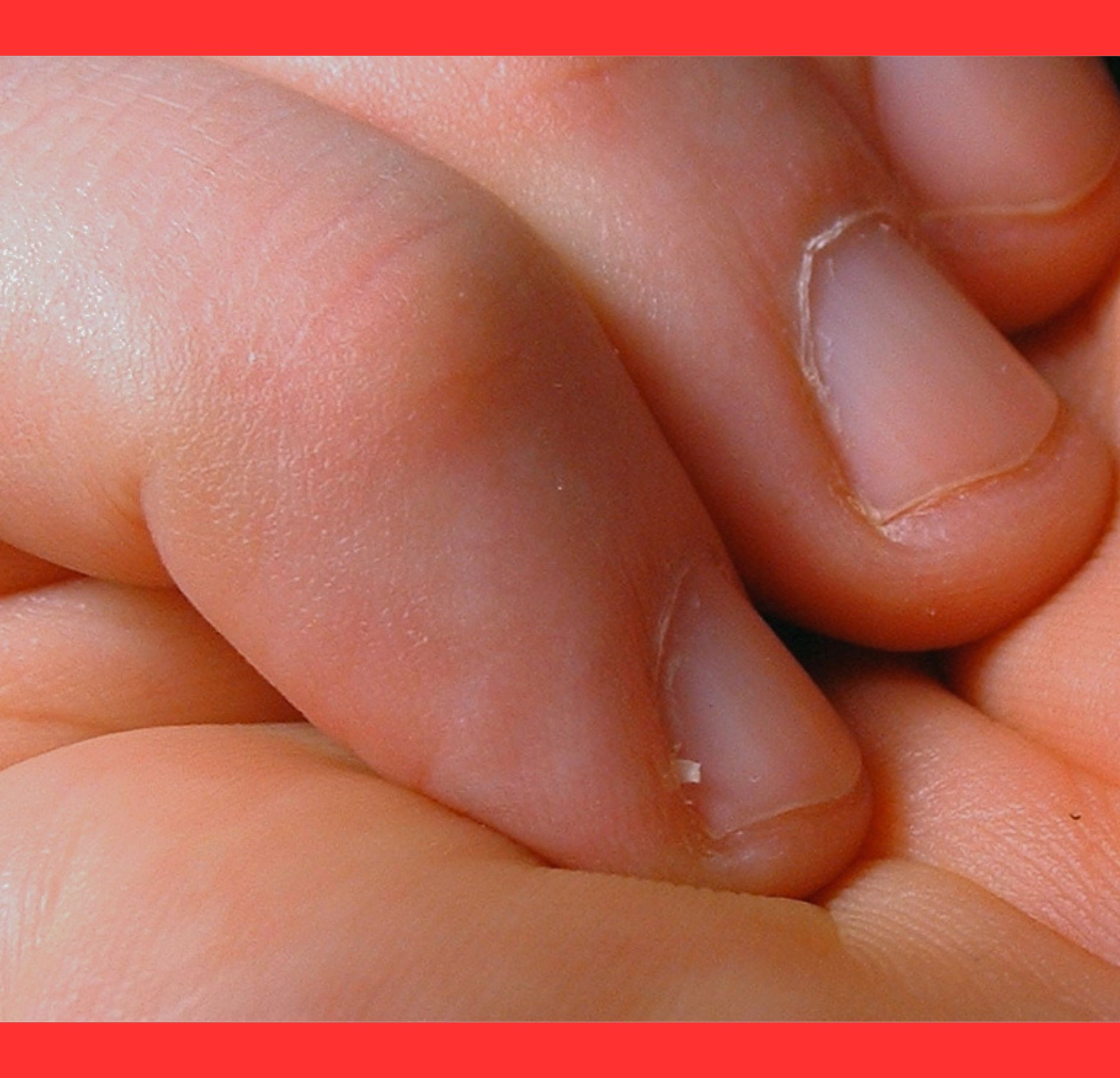
The correct approach is to resist pulling and instead use clean, sharp cuticle nippers or nail scissors to trim only the dead, loose skin carefully.
Sterilize the tools beforehand with alcohol to minimize any risk of introducing germs.
Prevention plays a vital role in avoiding hangnails altogether.
Regularly apply moisturizing cuticle oils or thick hand creams, especially after washing hands.
Stay hydrated, wear gloves during household chores involving water or chemicals, and maintain a balanced diet rich in vitamins for healthy skin and nails.
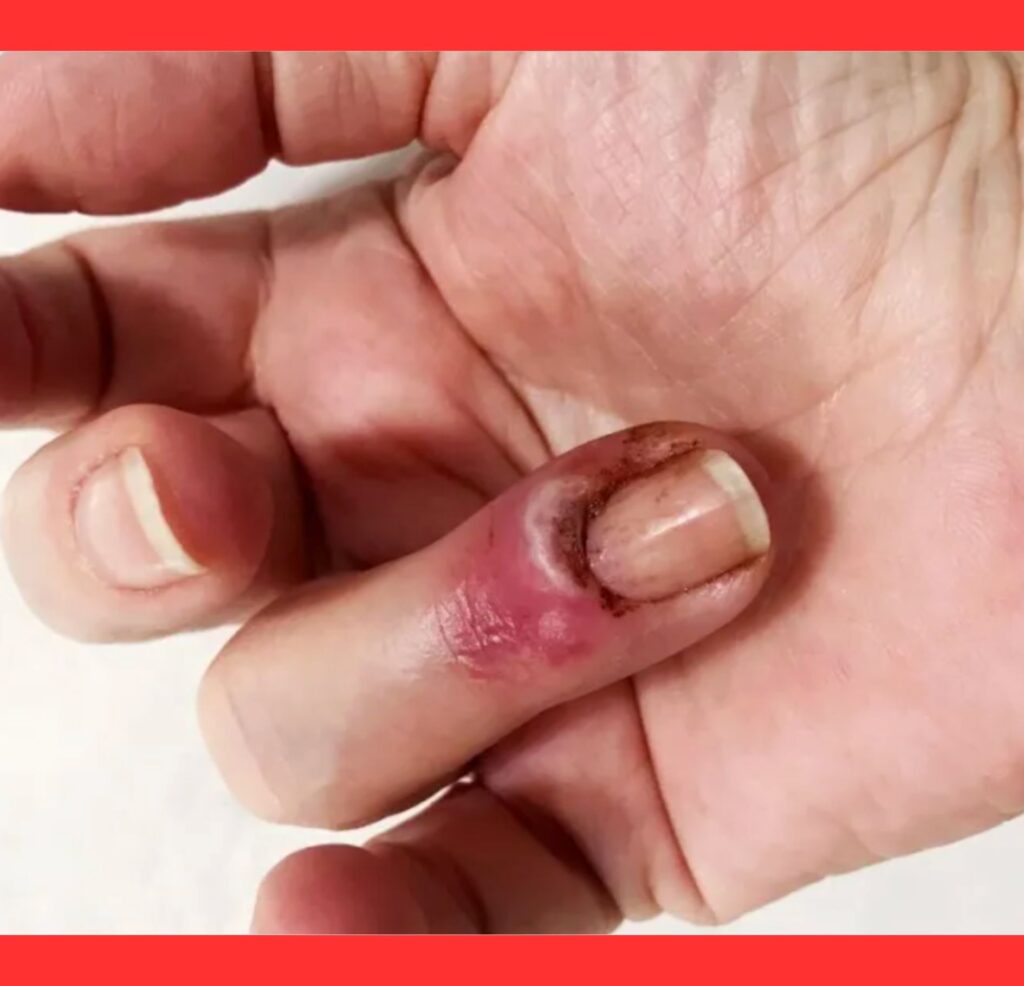
Pay attention to warning signs such as persistent pain, increasing swelling, or discharge.
If symptoms worsen or don’t improve within a few days, consult a doctor or dermatologist for appropriate treatment, which might include topical or oral antibiotics.
Ultimately, breaking the habit of pulling that tiny piece of skin next to your fingernail promotes better overall nail and skin health.
By adopting gentle care practices, you can prevent pain, infections, and long-term damage, keeping your hands looking and feeling their best.