
In the summer of 2016, Anchorage, Alaska, witnessed a string of vigilante assaults that shocked the community and sparked nationwide debate about justice, trauma, and revenge.
Jason Vukovich, a 41-year-old local man, became known as the “Alaska Avenger” after he bludgeoned three registered sex offenders with a hammer in their own homes.
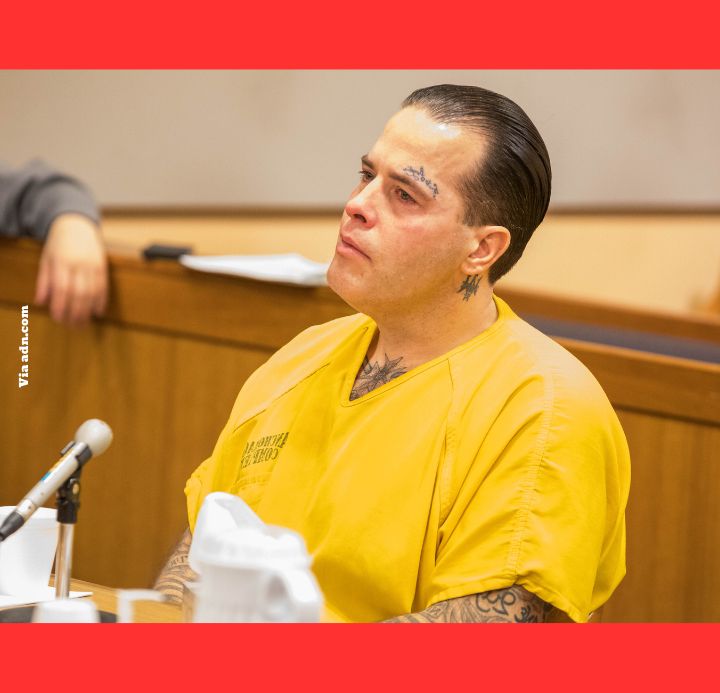
Vukovich’s actions were not random.
Court records and his own statements revealed a deeply personal motive: he had endured years of severe sexual and physical abuse as a child at the hands of his stepfather.
This trauma, he later explained, fueled a burning desire to protect other children by targeting those he viewed as predators.
Using Alaska’s publicly available sex offender registry, Vukovich meticulously identified his targets—three men previously convicted of crimes against minors.
Over several days in June 2016, he broke into their residences armed with a hammer, a notebook of addresses, and a sense of righteous fury.
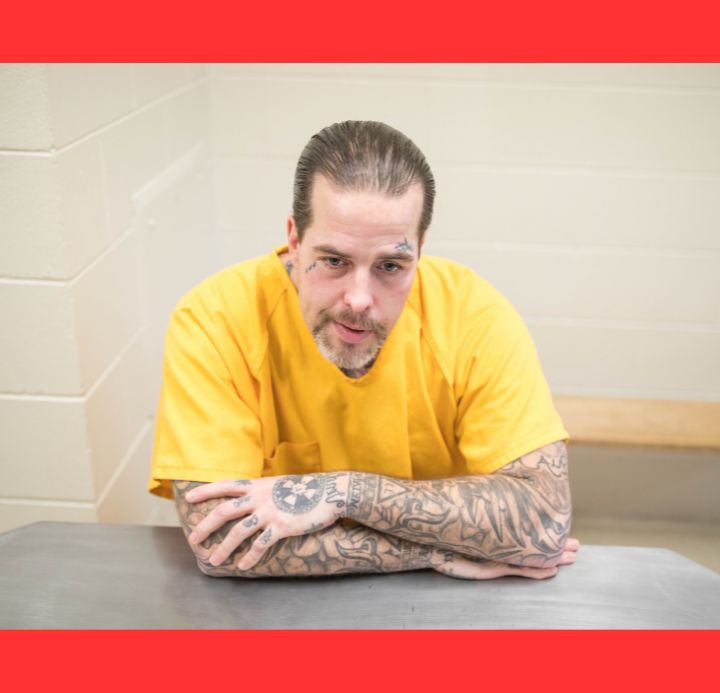
During one attack, Vukovich reportedly told a victim he was an “avenging angel” for abused children.
He struck the men repeatedly, causing serious injuries, and in some cases stole personal items as symbolic trophies of his mission.
The assaults left the victims hospitalized and the city on edge.
Vukovich’s brother, who had suffered similar childhood abuse but channeled it into academic achievement, earning a PhD, later highlighted the divergent paths their shared trauma created.
For Jason, the pain manifested as violent retribution rather than quiet resilience.
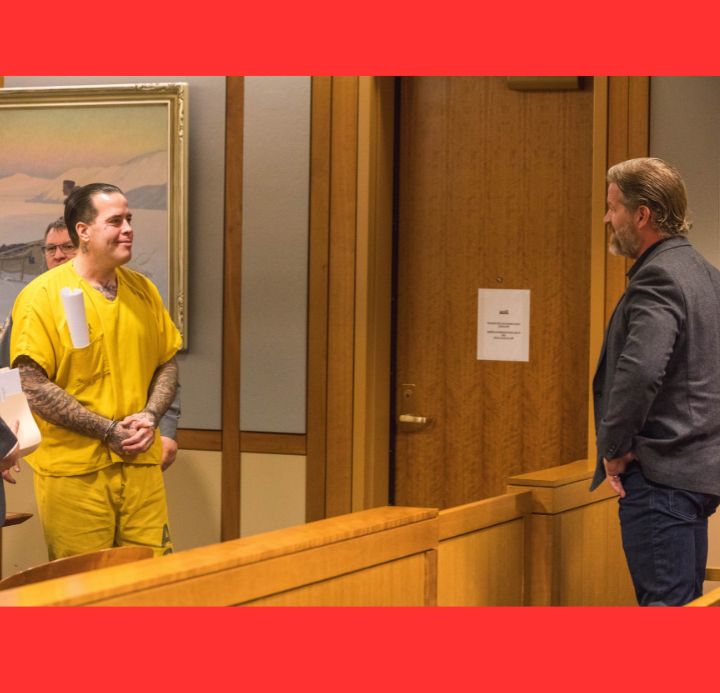
Arrested shortly after the attacks, Vukovich did not deny the crimes.
In interviews from jail and letters to media outlets, he expressed regret for his methods while standing by his underlying message: that child abusers destroy lives and deserve consequences beyond the legal system.
His defense team argued that post-traumatic stress disorder from the childhood abuse should mitigate his sentence.
However, courts rejected this in appeals, emphasizing that personal trauma does not justify vigilante violence.
In February 2018, Vukovich was sentenced to 23 years in prison.
The judge acknowledged the horrific nature of his own past but stressed the rule of law over individual retribution.
Vukovich accepted the punishment, hoping his story would deter others from similar acts.
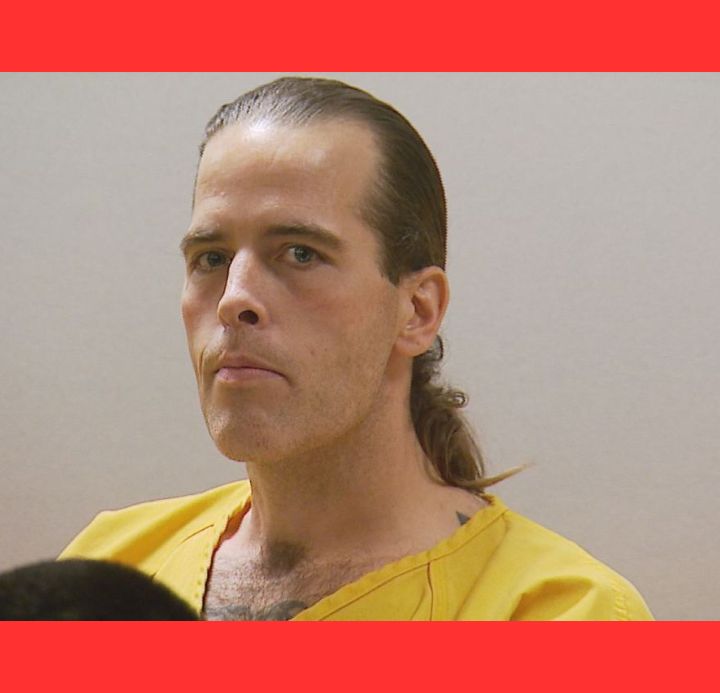
While incarcerated, he has participated in over 30 rehabilitation programs focused on personal development and anger management.
In 2023, he was granted discretionary parole, scheduled to take effect in 2028, reflecting some progress in his reformation.
The case of the Alaska Avenger continues to polarize opinions.
Supporters see him as a flawed hero who acted where the system failed victims of abuse, while critics argue his hammer attacks undermined due process and risked innocent lives.
Ultimately, Vukovich’s saga serves as a stark reminder of how childhood trauma can echo into adulthood, driving some toward darkness while others seek healing.
His story underscores the urgent need for better support systems for abuse survivors before desperation turns to violence.