
In the annals of medical history, few cases are as extraordinary and unsettling as that of Lina Medina from Peru.
Born on September 23, 1933, in the small village of Ticrapo, Lina became the youngest confirmed mother in recorded history at the tender age of five.
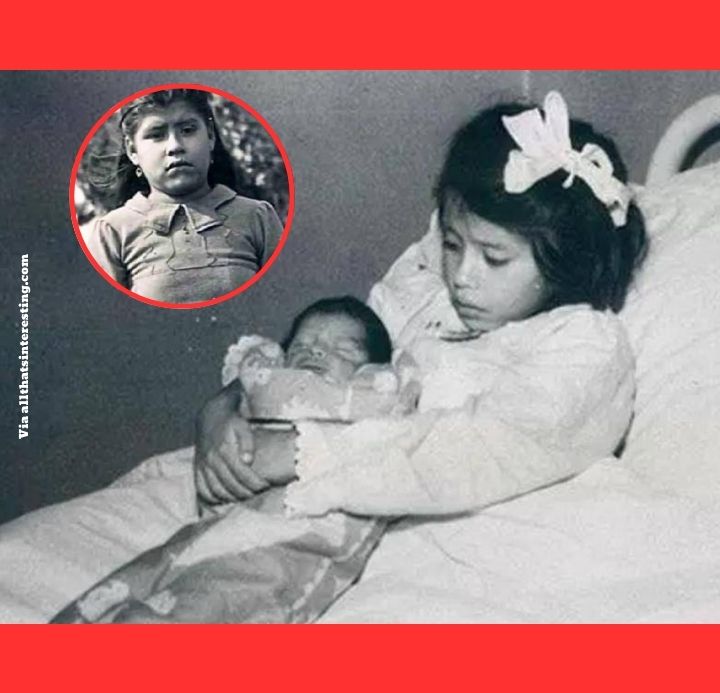
In early 1939, Lina’s parents noticed her abdomen swelling dramatically. Initially believing it to be a tumor, they sought medical help in Pisco.
Doctors were stunned to discover that the five-year-old was approximately seven months pregnant.
Medical examinations revealed that Lina suffered from precocious puberty, a rare condition causing extremely early physical development.
She had begun menstruating at just eight months old, and her body had matured in ways typical of much older girls.
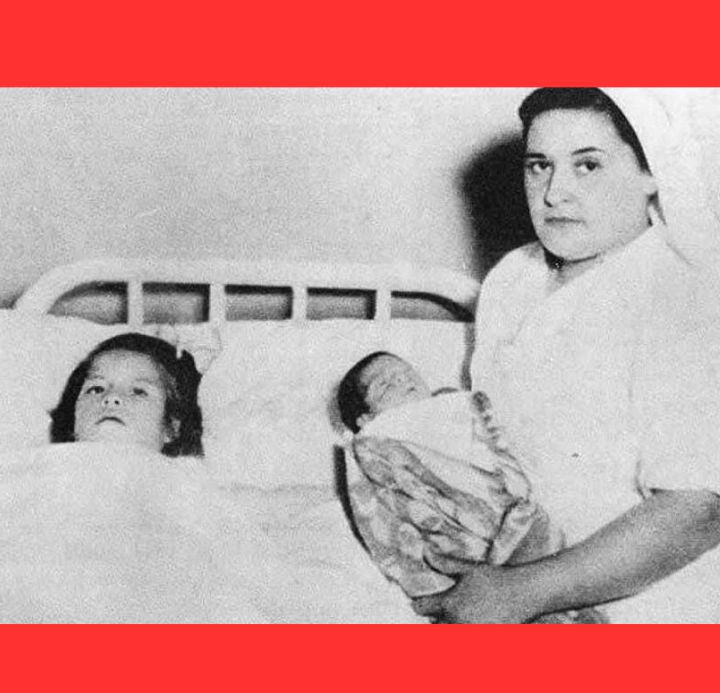
On May 14, 1939, Lina gave birth to a healthy baby boy named Gerardo via cesarean section.
At the time, she was exactly five years, seven months, and 21 days old. The procedure was necessary due to her small pelvis.
Gerardo weighed about 6 pounds at birth and was reported to be perfectly healthy.
The birth drew international attention, with doctors from around the world fascinated by this biological anomaly.
Despite thorough investigations by authorities, the father of the child was never identified.
Speculation ranged from possible assault to other tragic circumstances, but no one was ever charged, leaving the mystery unsolved to this day.
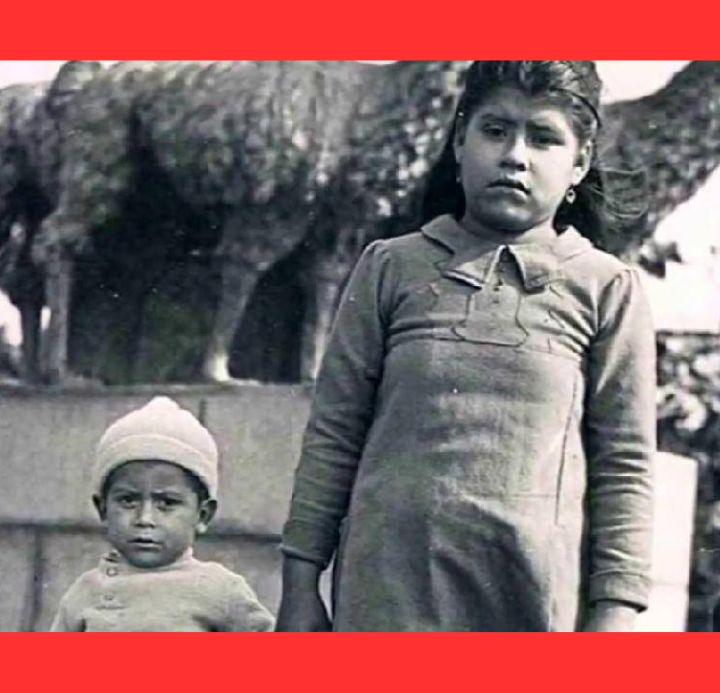
Following the birth, Lina and her son received care from Dr. Gerardo Lozada, who performed the delivery.
He later employed Lina as a secretary and provided support for Gerardo’s upbringing.
Gerardo was initially raised believing Lina was his older sister.
It was not until he was ten years old that he learned the truth about his mother’s identity, a revelation that must have been profoundly shocking.
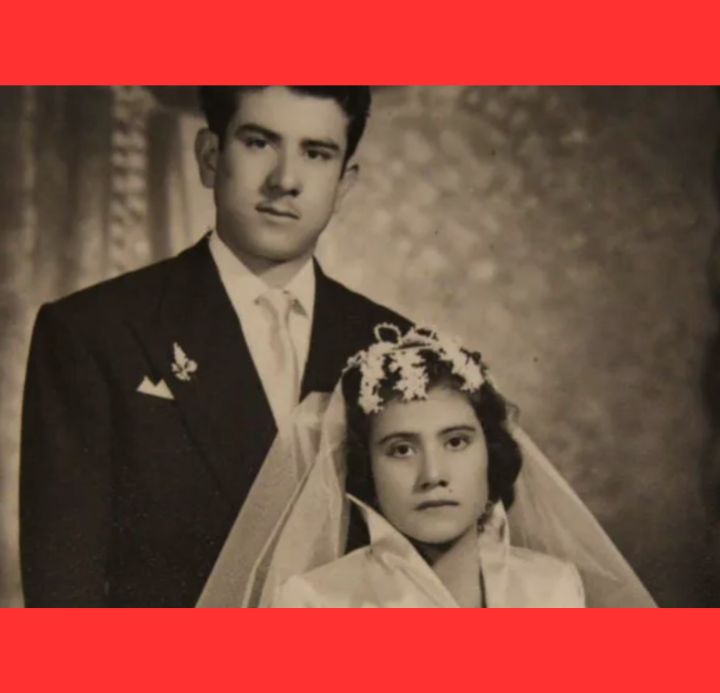
Tragically, Gerardo lived only to the age of 40, passing away in 1979 from a bone marrow disease.
He had grown into a normal, intelligent young man despite the unusual circumstances of his birth.
Lina Medina went on to live a relatively private life.
She had a second child years later and avoided the public eye, choosing not to grant interviews about her early experiences.
She remains the youngest confirmed mother in medical records.
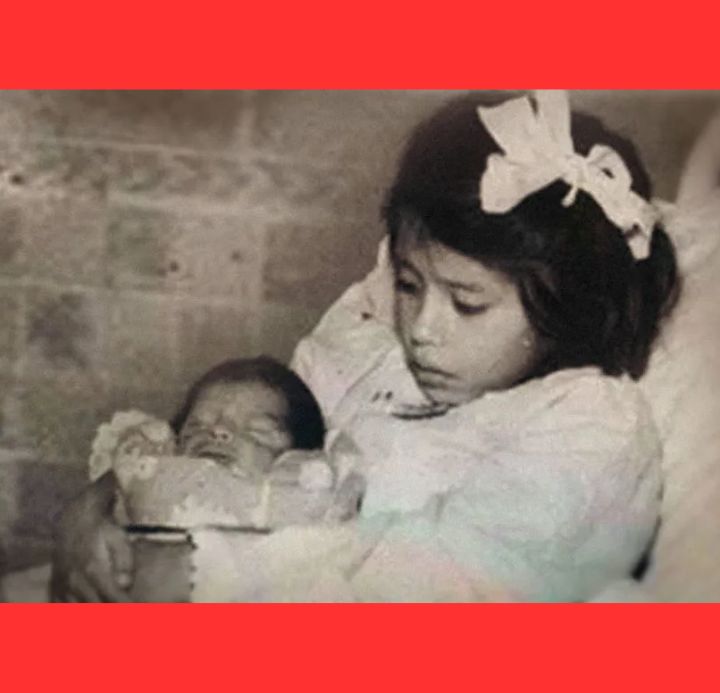
The case of Lina Medina continues to highlight the mysteries of human development and precocious puberty.
While raising profound ethical questions about child protection, it stands as a unique chapter in medical history that still captivates researchers today.