
In 2013, Carine, a woman from Toulouse, France, faced a devastating diagnosis of nasal cavity cancer.
Following aggressive radiotherapy and chemotherapy treatments, she lost a large portion of her nose, along with parts of her palate.
The cancer treatment left Carine with significant facial disfigurement.
Traditional reconstructive surgeries and prosthetic options repeatedly failed due to poor tissue quality and vascular issues in the area.
For nearly a decade, Carine withdrew from social life, deeply affected by her appearance and the functional loss of her sense of smell.
Everyday activities became challenging and isolating.
Hope emerged in 2022 when a multidisciplinary team at Toulouse University Hospital and the Claudius Regaud Institute devised a revolutionary plan involving 3D printing technology.
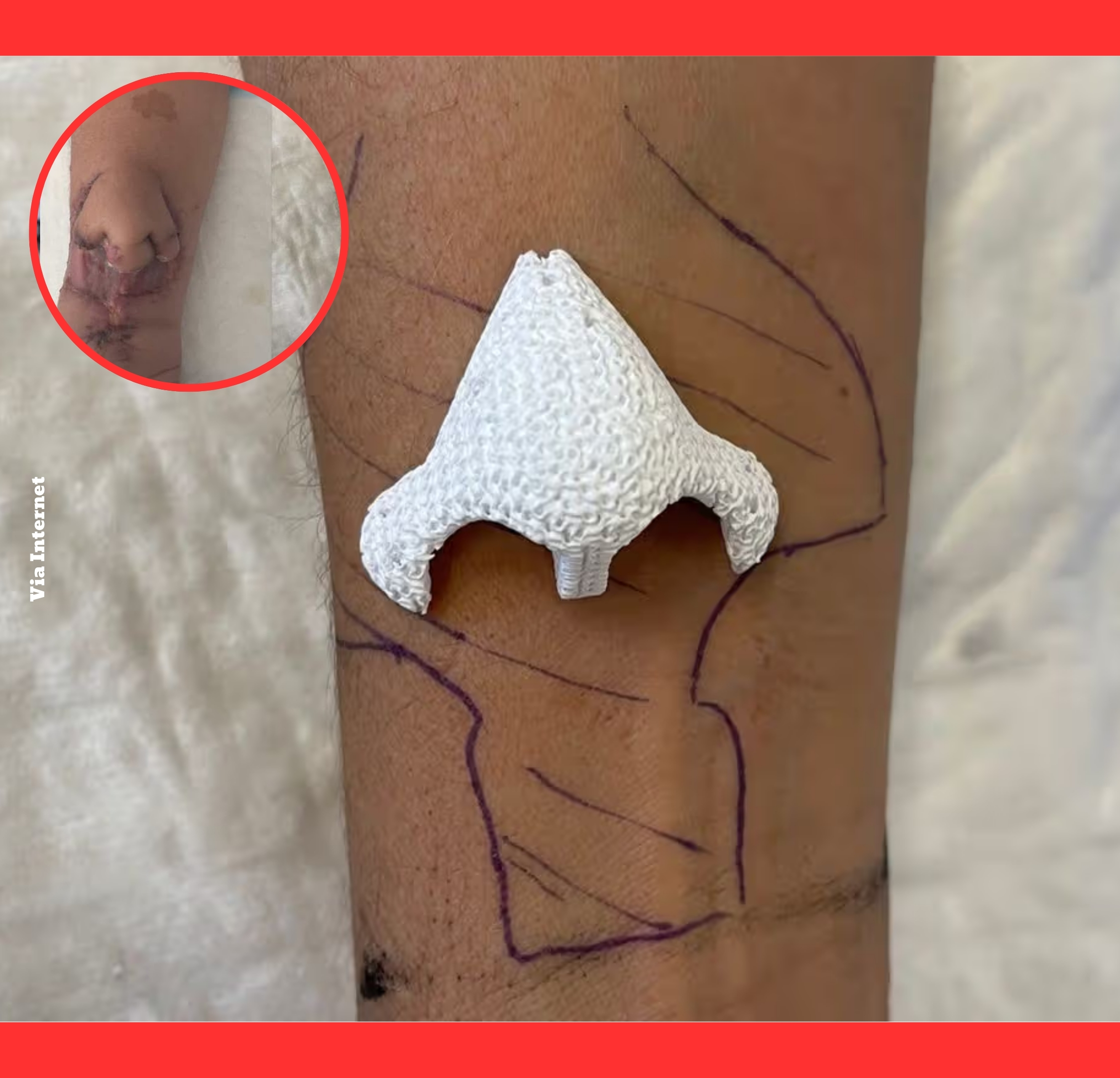
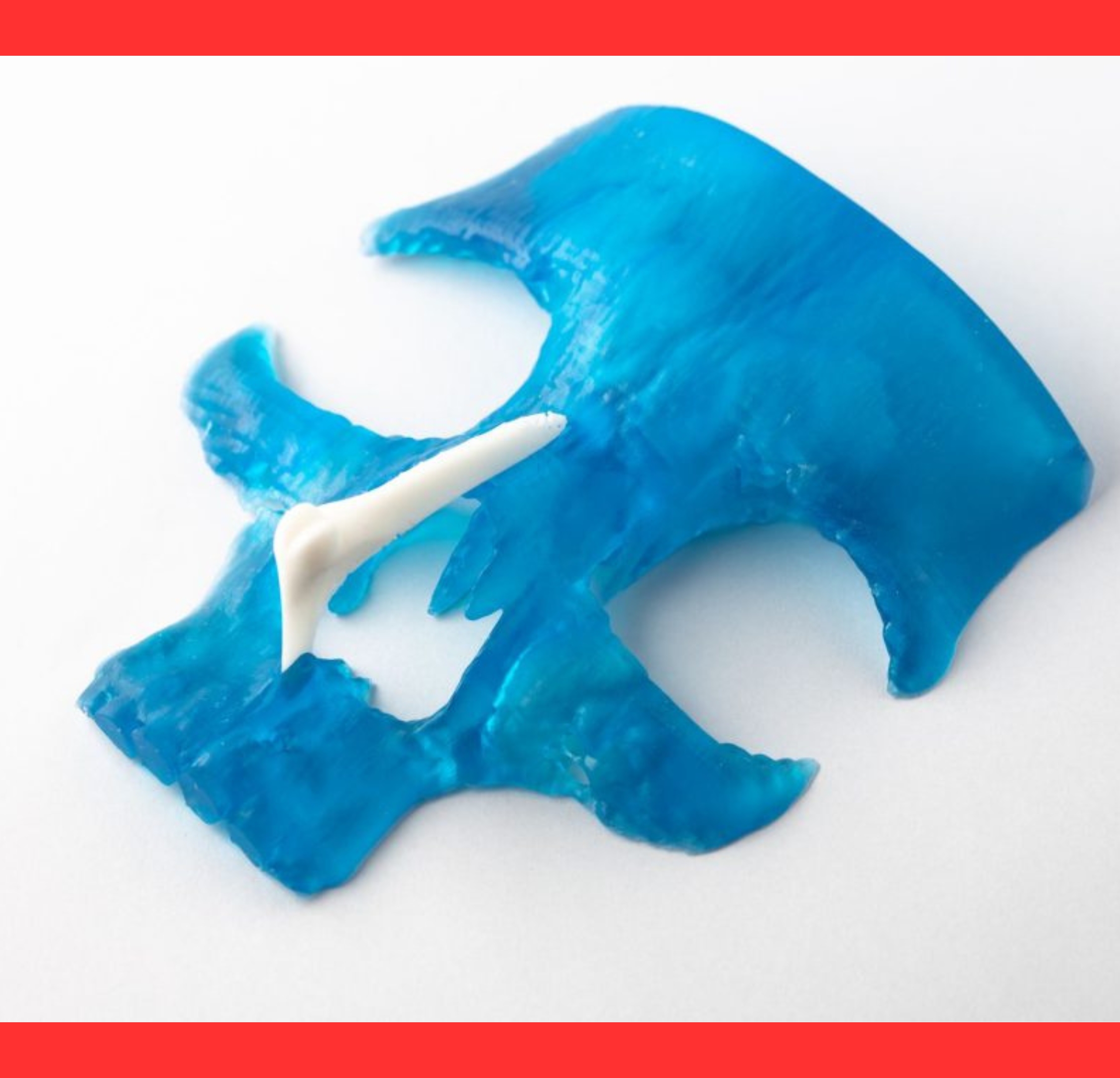
Using advanced 3D printing, doctors created a custom biomaterial scaffold mimicking the shape and structure of a nose to serve as a cartilage replacement.
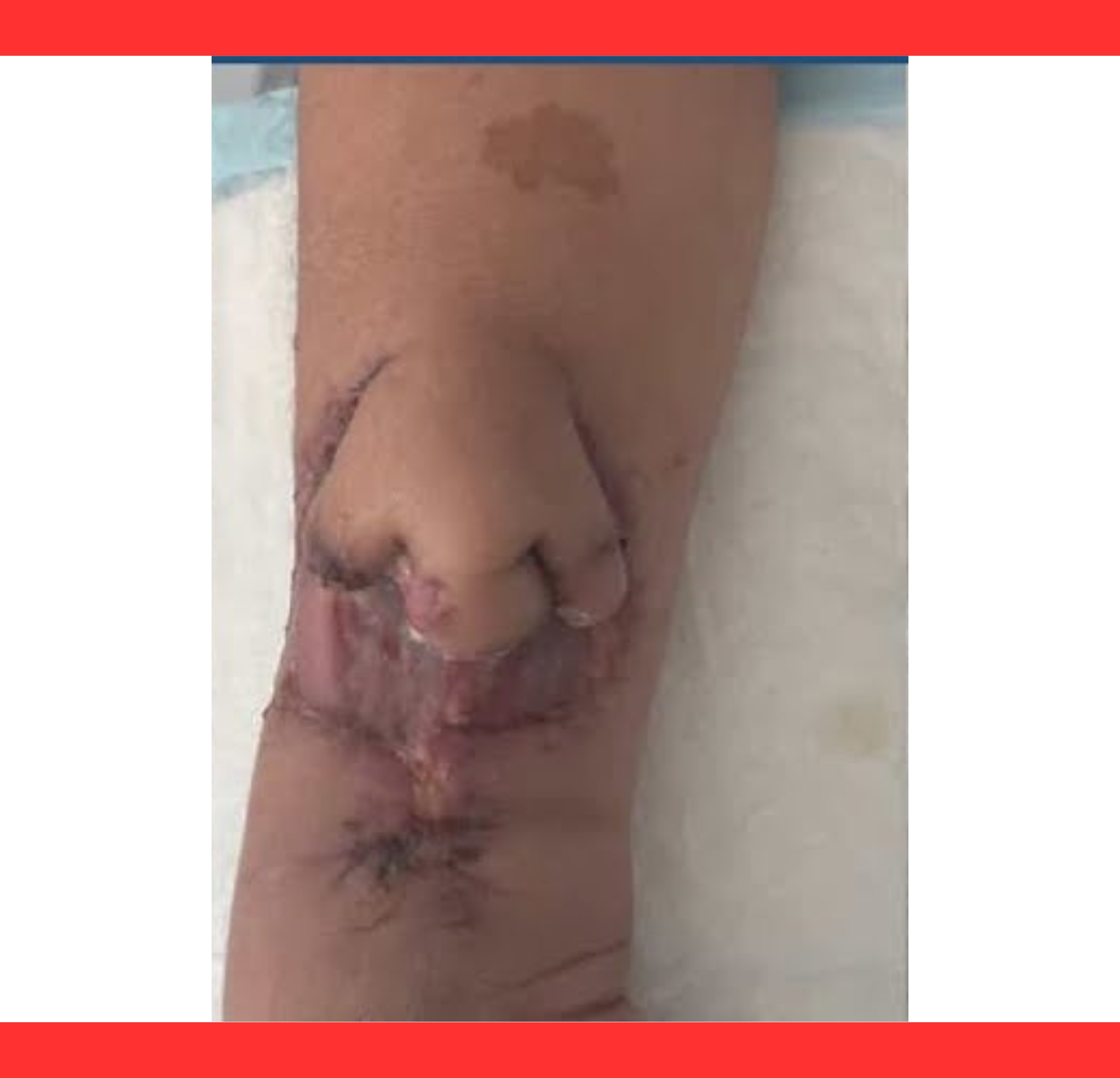
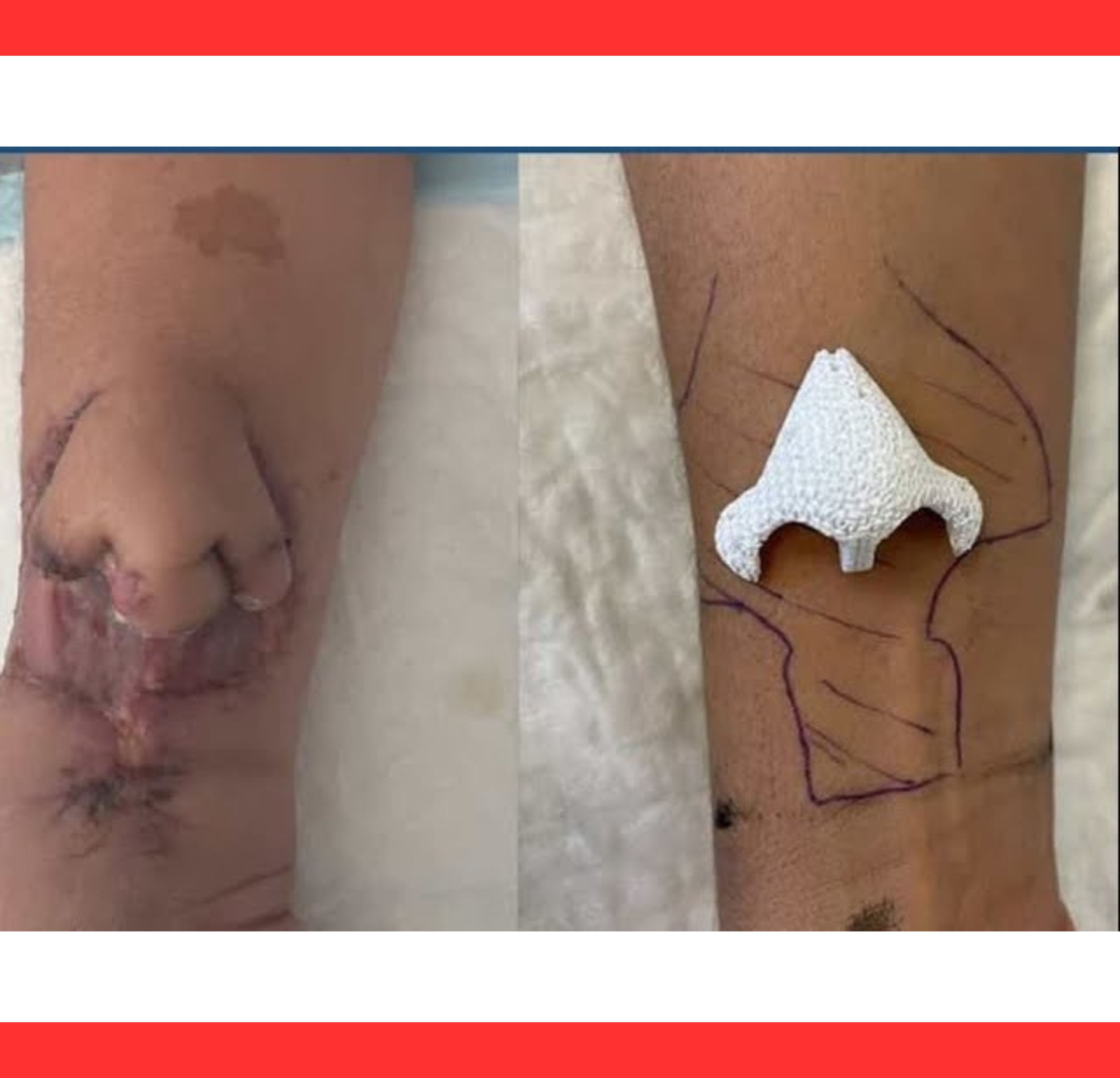
This scaffold was surgically implanted onto Carine’s forearm, chosen for its rich blood supply.
A skin graft from her temple covered the structure to promote integration.
Over the next two months, the artificial nose developed a robust vascular network on her arm, becoming viable tissue ready for relocation.
In a groundbreaking microsurgical procedure lasting several hours, the matured nose was carefully detached from the arm and transplanted onto her face, with blood vessels meticulously reconnected.
The surgery was a resounding success, marking the first time such a 3D-printed nasal graft was used in this manner. Carine began to regain normal facial features and functionality.

Post-transplant, Carine expressed overwhelming joy at being able to smell again and interact confidently with others.
She and her husband planned to enjoy outings they had long avoided.
This pioneering case not only restored Carine’s life but also paves the way for future applications of 3D bioprinting in reconstructive medicine worldwide.