
In October 2016, Pennsylvania hunter Lee Brooke embarked on what should have been a routine elk hunting trip in Wyoming’s rugged wilderness.
Accompanied by family, the 60-year-old grandfather never anticipated the nightmare that would unfold.
A protective female grizzly bear, sensing a threat to her cubs, charged at Brooke with ferocious speed.
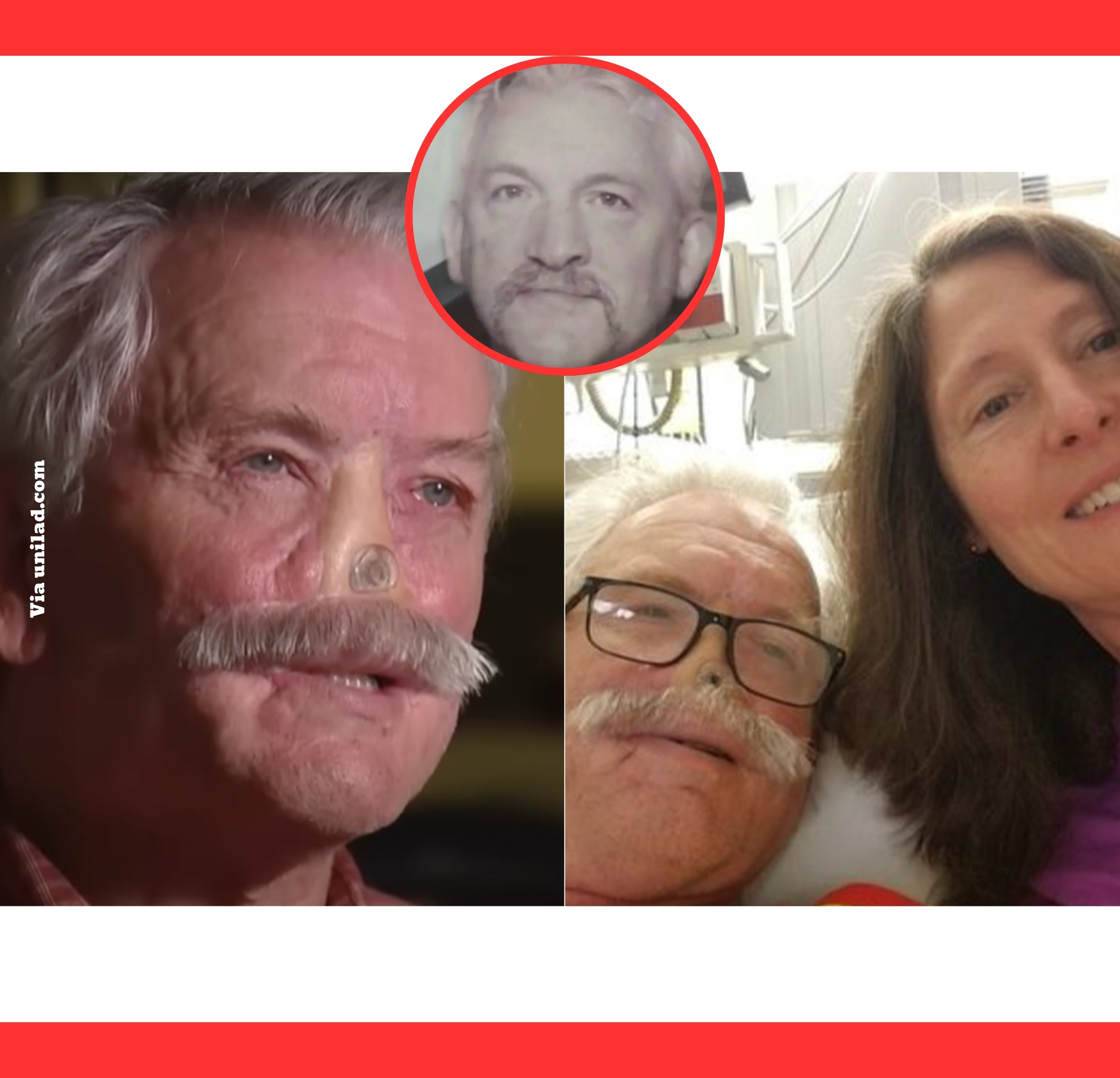
The attack was swift and brutal.
The bear’s powerful jaws clamped down on Brooke’s face, ripping away his nose and upper lip in a single savage motion.
Blood poured from the gaping wounds as he fought desperately for his life. Miraculously,
Brooke’s brother-in-law arrived moments later, scaring off the animal and discovering the severed nose lying on the forest floor.
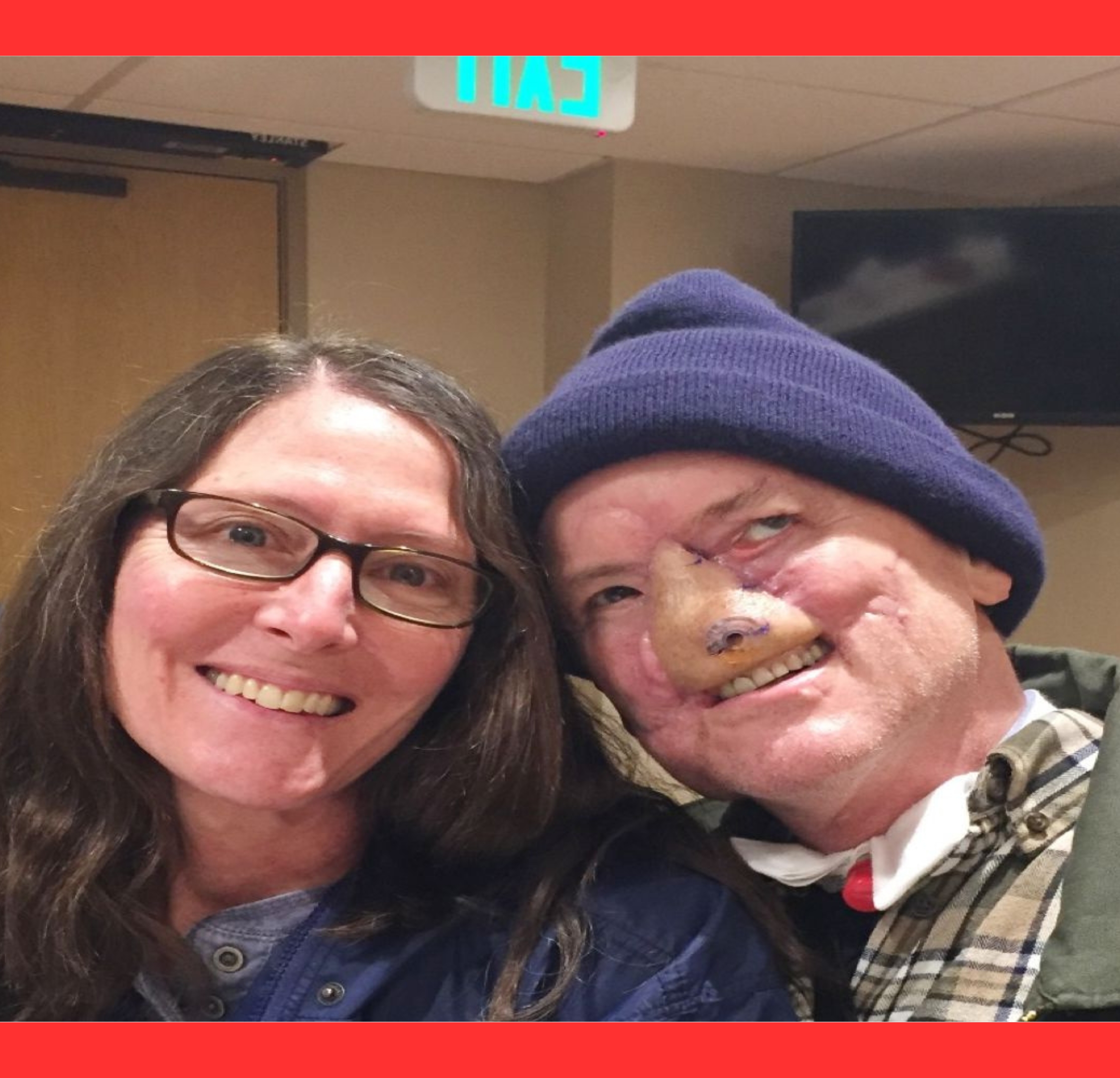
Rushed to Swedish Medical Center in Colorado, doctors faced a grim reality: immediate reattachment to the face was impossible due to severe tissue damage and swelling.
Instead, a groundbreaking decision was made to preserve the nose by attaching it to Brooke’s right forearm.
Surgeons connected the severed tissue to the radial artery, ensuring a steady blood supply to keep it alive.
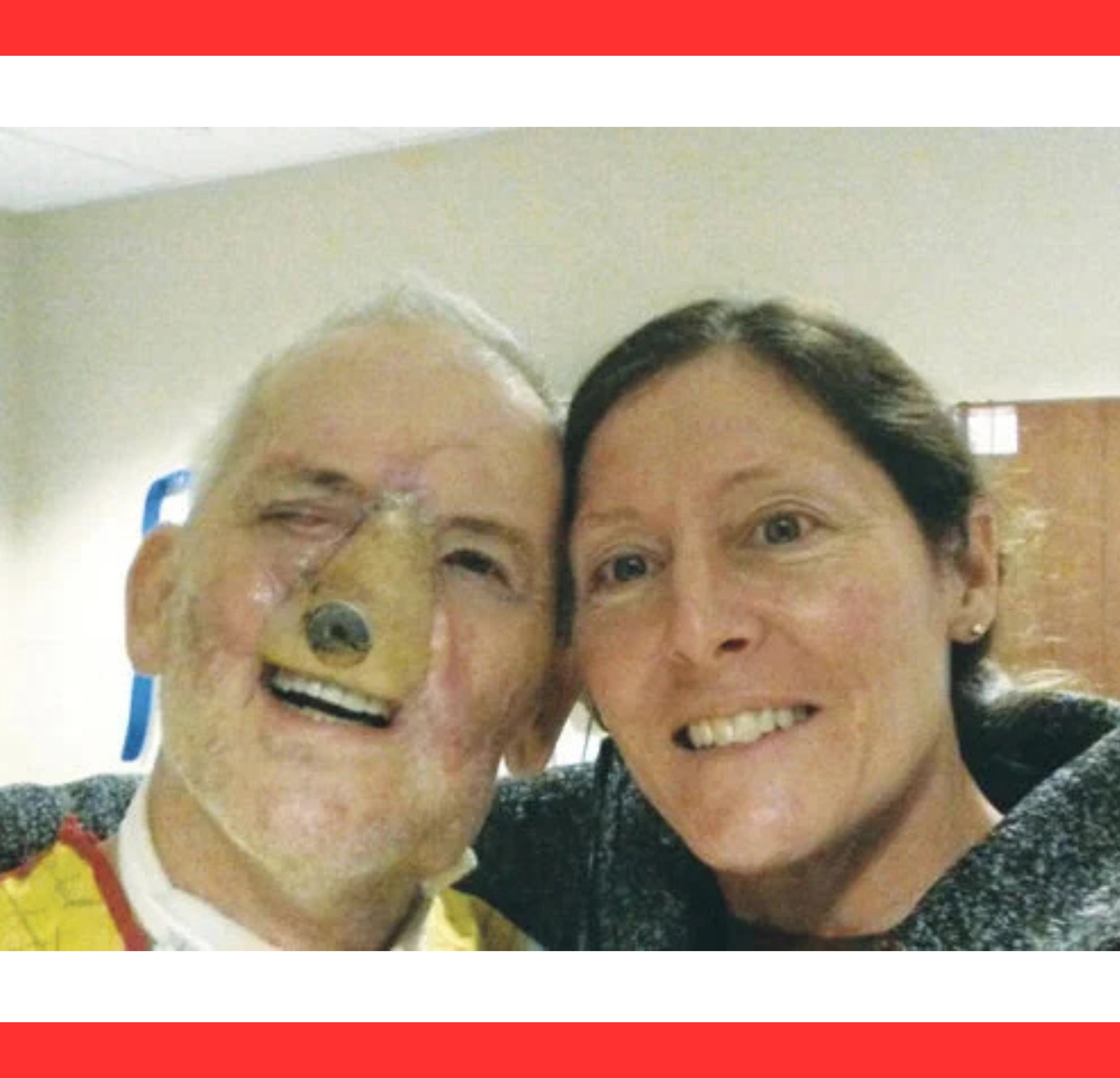
This innovative technique involved meticulous microsurgery, with medicinal leeches used initially to promote circulation and prevent clotting.
For months, Brooke lived with his nose protruding from his arm—a bizarre but life-saving arrangement.
The procedure bought precious time while his facial wounds healed from skin grafts taken from his leg.
Daily life tested Brooke’s resilience.
He had to wear protective coverings and adapt to stares from strangers, yet he remained determined.
Speaking through a tracheal tube, he expressed gratitude for his wife Martha’s unwavering support.
“I just wanted to see my family again,” Brooke later recalled in interviews.
The nose thrived on his arm for over a year, nourished by his body’s own vascular system.
This temporary “flap” technique, while rare, allowed the delicate cartilage and skin to remain viable for future reconstruction.
Brooke underwent multiple preparatory surgeries during this period to rebuild surrounding facial structures using cartilage from his ribs and ears.
In a marathon 24-hour operation, surgeons finally transferred the nose back to Brooke’s face.
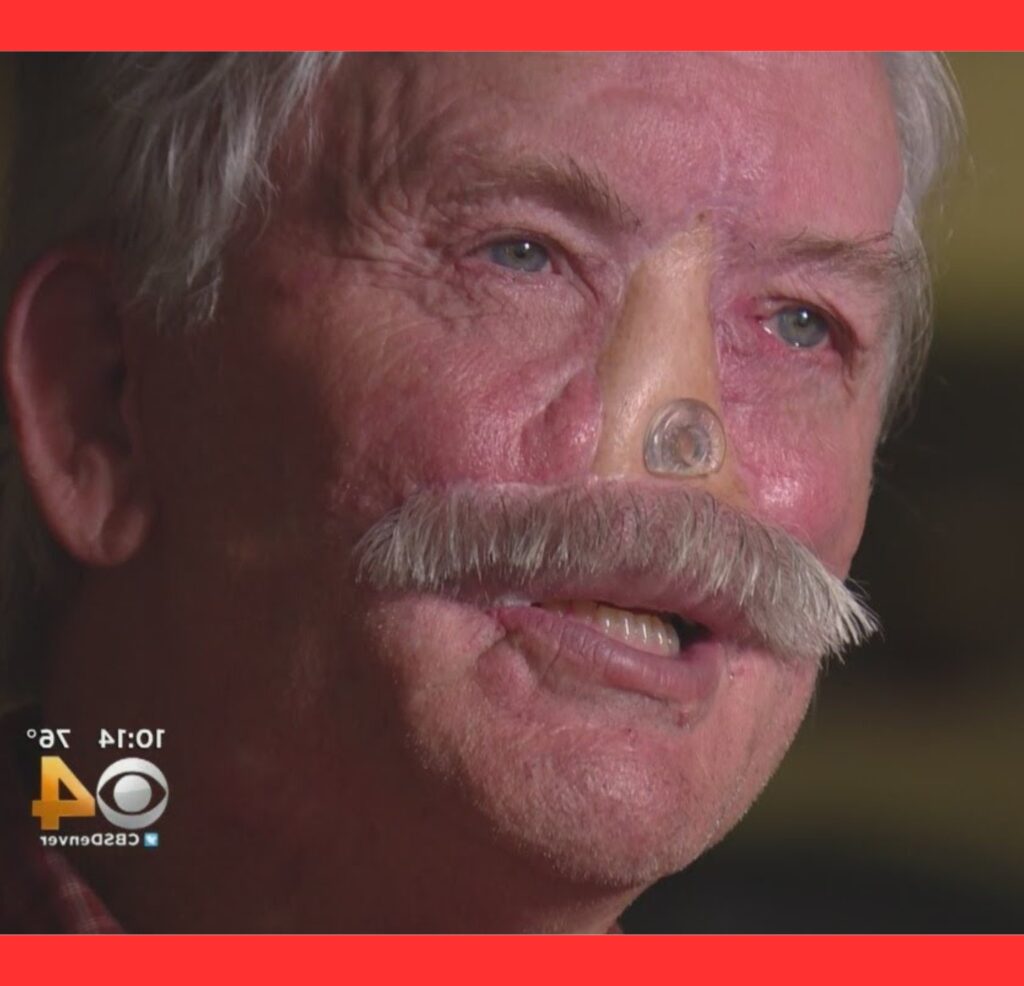
The complex procedure reconnected blood vessels and nerves with precision, marking a medical milestone in reconstructive surgery.
Post-operative care focused on swelling reduction and scar management.
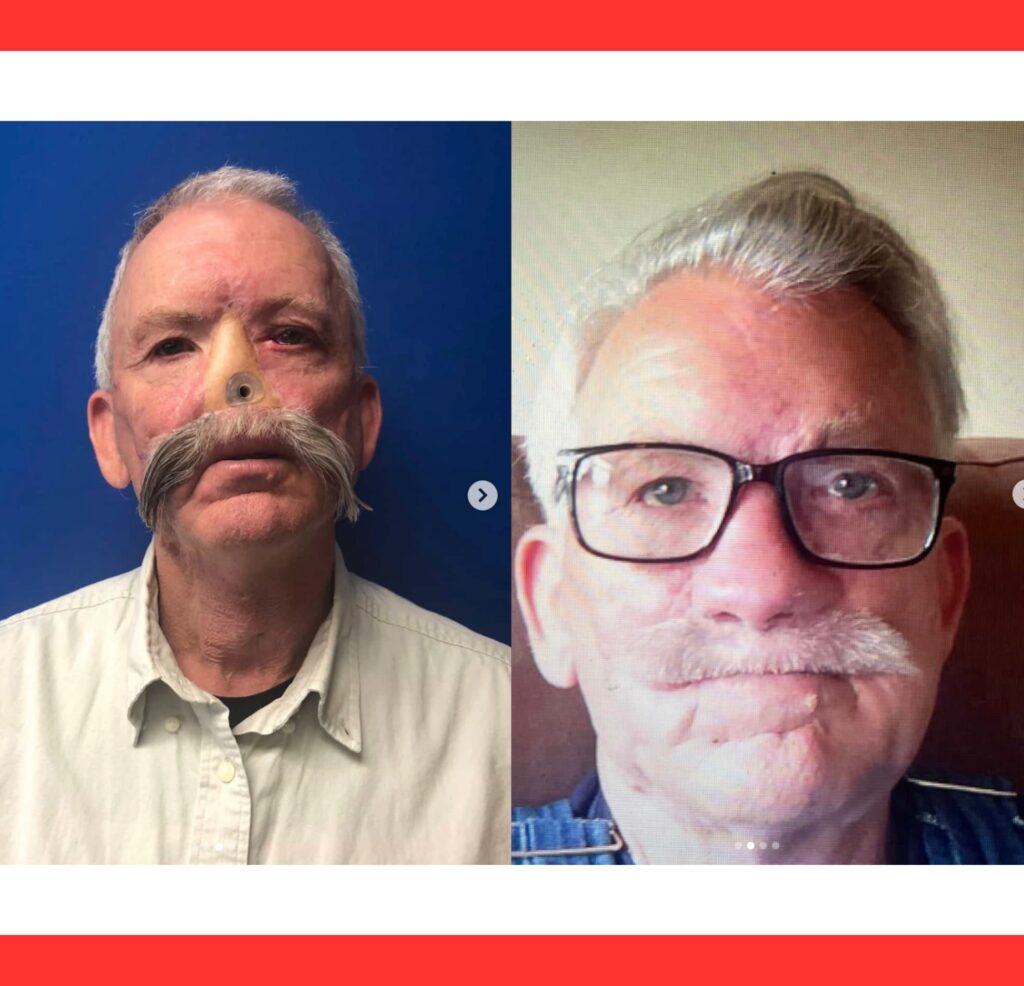
Today, Brooke’s face bears the scars of his ordeal but showcases remarkable restoration.
His upper lip was rebuilt with additional grafts, and he has regained much of his ability to speak and eat normally.
He credits the medical team’s ingenuity and his own will to survive.
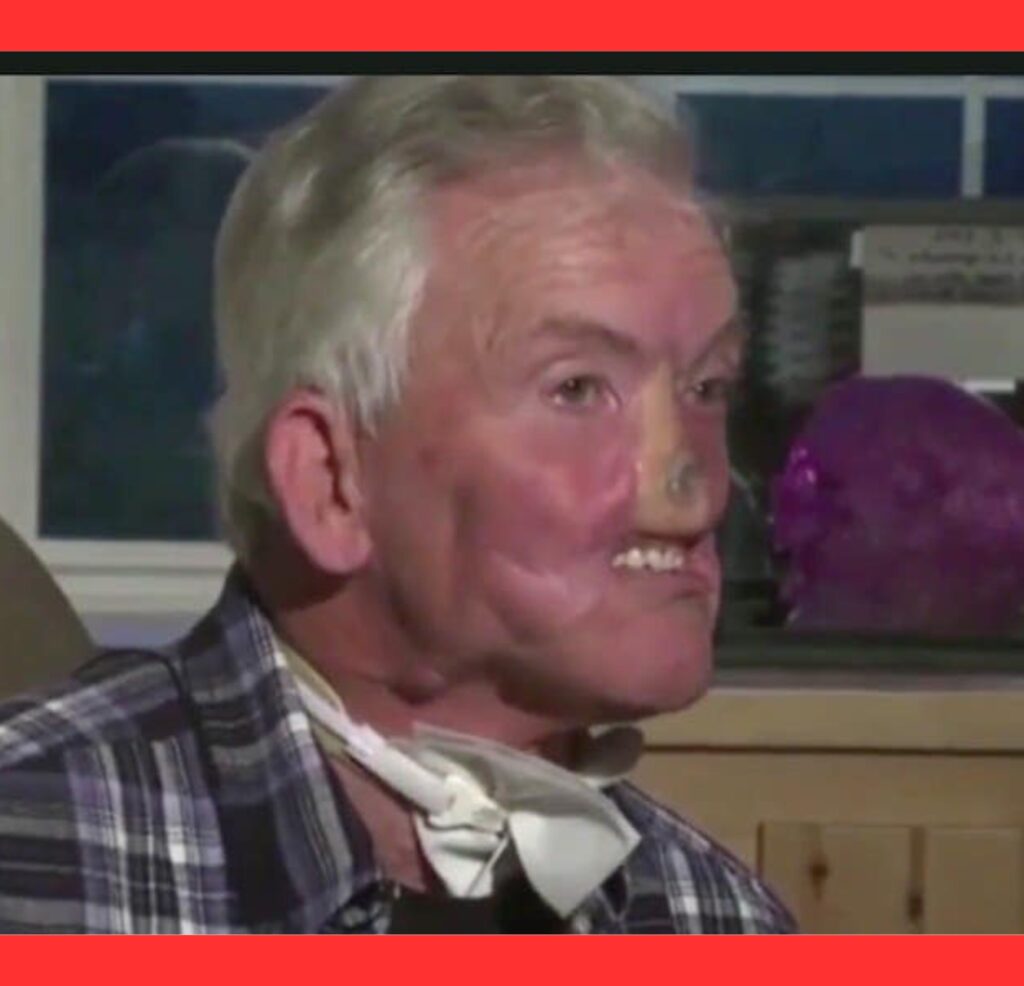
The story has inspired advances in trauma care, highlighting how innovative techniques can salvage vital tissues in extreme cases.
Brooke now shares his experience publicly, raising awareness about bear safety in the wild and the power of modern medicine.
Despite the trauma, Lee Brooke considers himself fortunate.
His survival and recovery stand as a testament to human endurance and surgical brilliance, turning a horrifying bear encounter into a beacon of hope for others facing disfiguring injuries.