
In early 1988, Claire Sylvia was a vibrant 47-year-old ballet dancer and choreographer living in Hull, Massachusetts.
A professional performer who had taught dance from her home studio, she was known for her grace, discipline, and dedication to healthy living.
Yet by spring, primary pulmonary hypertension had ravaged her lungs, leaving her dependent on oxygen tanks and facing a grim prognosis.
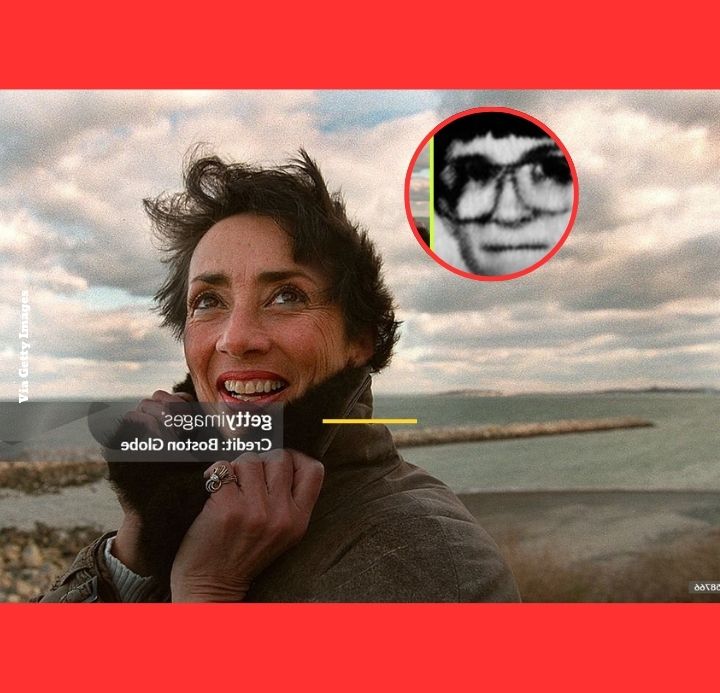
Before her illness took hold, Sylvia had built a life around movement and wellness.
As a health-food enthusiast, she avoided fried foods, alcohol, and processed snacks.
Her days revolved around rehearsals and students, but the progressive lung disease slowly stole her breath and her passion for dance.
Friends and family watched helplessly as her once-energetic body weakened.
Desperate for a solution, Sylvia became a candidate for an experimental procedure: a combined heart-and-lung transplant. In May 1988, she learned she had been matched with a donor.
She would become the first person in New England to undergo this life-saving operation at Yale-New Haven Hospital.
The wait had been agonizing, but hope finally arrived.
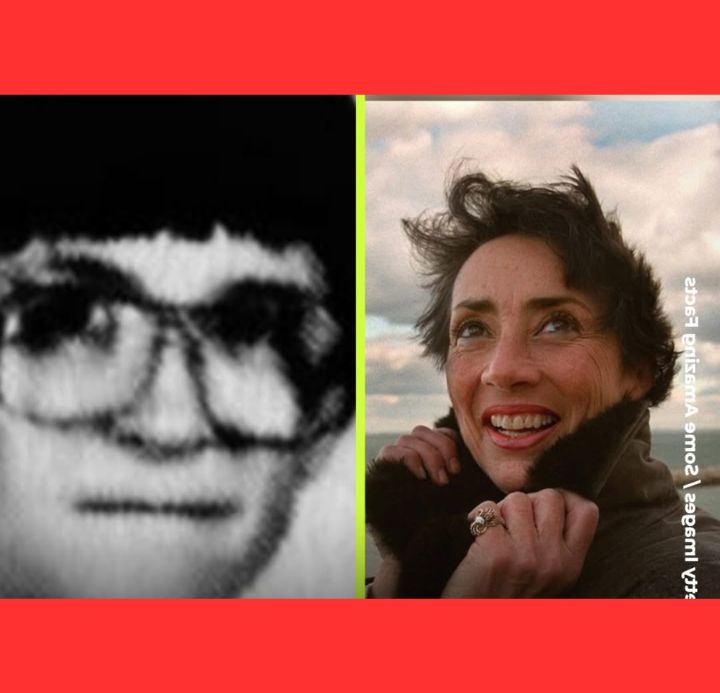
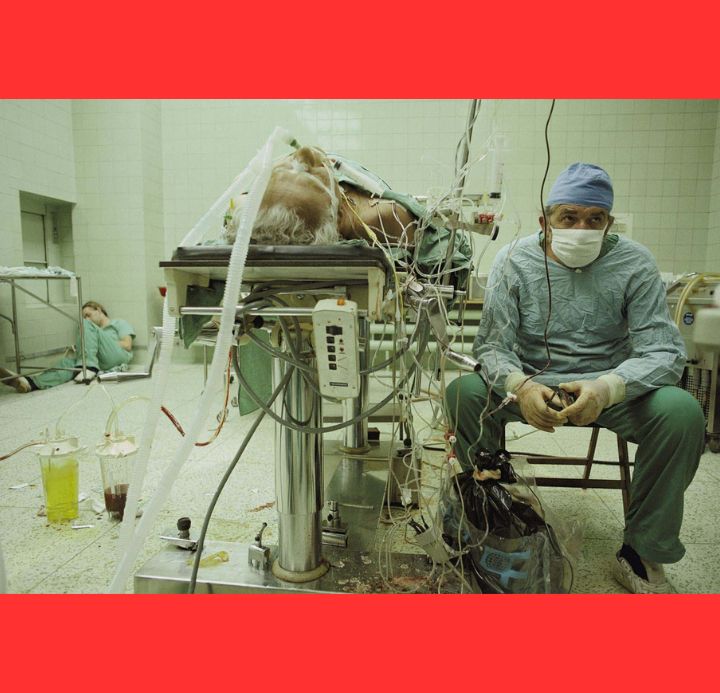
On May 29, 1988, surgeons successfully completed the transplant.
Sylvia emerged from hours in the operating room with a new heart and lungs beating inside her chest.
The medical team hailed the operation as a milestone, but for Sylvia, the real changes were only beginning once she regained consciousness in recovery.
Waking up, she felt an immediate surge of unfamiliar vitality.
Her body, long starved for oxygen, now hummed with energy she hadn’t experienced in years.
Nurses noted her quick recovery, but Sylvia herself sensed something deeper shifting within.
The first odd craving hit soon after.
Lying in her hospital bed, Sylvia suddenly announced she was “dying for a beer.”
She had never liked beer in her life and had always preferred water or herbal teas. The request puzzled her family, who chalked it up to post-surgery disorientation.
Within days of discharge, stranger appetites emerged.
Sylvia found herself driving to Kentucky Fried Chicken for chicken nuggets—foods she had once scorned as unhealthy junk.
She also developed a taste for green peppers, which she had previously avoided. These were not random whims; they felt like insistent urges she couldn’t ignore.
Alongside the new cravings, Sylvia noticed profound personality shifts.
Once reserved and gentle, she became more assertive, confident, and impulsive.
Bursts of physical energy allowed her to return to light dance movements far sooner than expected. Family members remarked on her bolder gait and outspoken nature.
Months into her recovery, vivid dreams began. In one recurring vision, Sylvia kissed a young man with the initials T.L. As their lips met, she felt his essence drawn into her body.
She awoke convinced the stranger was connected to her new organs.

By late 1988, Sylvia started questioning the source of her changes. She wondered about the donor whose heart now beat in her chest.
Though full confirmation would come later, the cravings and dreams planted seeds of curiosity about “cellular memory”—the idea that organs might carry more than just life.
That transformative year of 1988 marked not only Sylvia’s physical survival but a radical rewriting of her identity.
From a dying dancer to a woman embracing unfamiliar tastes and traits, her story became a living testament to the mysterious bonds between heart, body, and perhaps even soul.