
In a dimly lit prison visitation room, the question hung heavy in the air.
“Do you want me to show you what I’ve done?” Isakin Drabbad, the notorious Skara Cannibal, leaned forward, his eyes gleaming with a mix of madness and relief as he addressed his estranged daughter, Jamie-Lee Arrow.
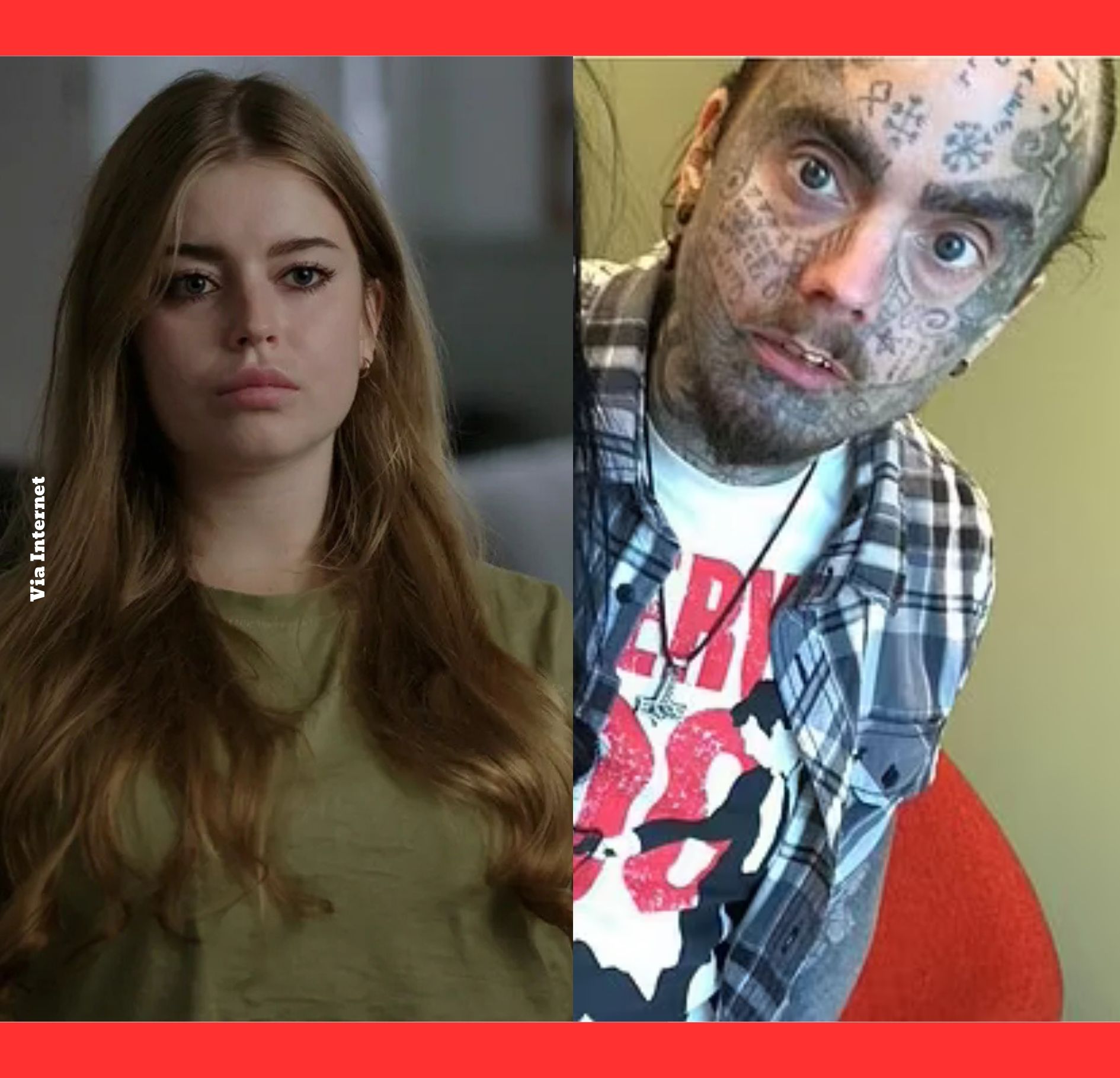
Drabbad, convicted of murdering and cannibalizing his girlfriend Helle Christensen in 2010, had long been a figure of horror in Sweden.
But for his daughter, who was just a child at the time of the crime, this reunion was about confronting the monster who was also her father.

Jamie-Lee, now an adult, had traveled to the prison seeking closure.
Years of psychological torment and unanswered questions had brought her to this moment.
Little did she know the depths of depravity her father was about to reveal.
As she nodded hesitantly, Drabbad began recounting his darkest fantasies.

He described vivid dreams of consuming human flesh not out of necessity, but as a ritual of power and intimacy, where the line between lover and meal blurred into one.
“I fantasized about it for years,” he whispered.
Gruesome details poured out: the texture of warm blood on his tongue, the way muscle fibers tore under his teeth, and the euphoric rush of dominating another’s existence completely.

He spoke of elaborate scenarios where he prepared elaborate meals from selected victims, seasoning with herbs and spices, imagining the perfect blend of fear and submission in their final moments.
Drabbad detailed how these fantasies evolved, incorporating elements of his own troubled past – abuse, isolation, and a burning desire for control that manifested in cannibalistic urges.
The daughter listened in stunned silence as he described the night of the murder, how the fantasy became reality with Helle, the sawing of flesh, the cooking in a frying pan with cannabis leaves, turning horror into a personal sacrament.

“It was beautiful in its way,” he claimed, his voice calm.
Jamie-Lee felt waves of nausea and betrayal, questioning if any part of the man she remembered as a father remained.
Psychologists later noted that such confessions could be a form of manipulation or genuine unburdening, but for the daughter, it was a shattering of any remaining illusions.
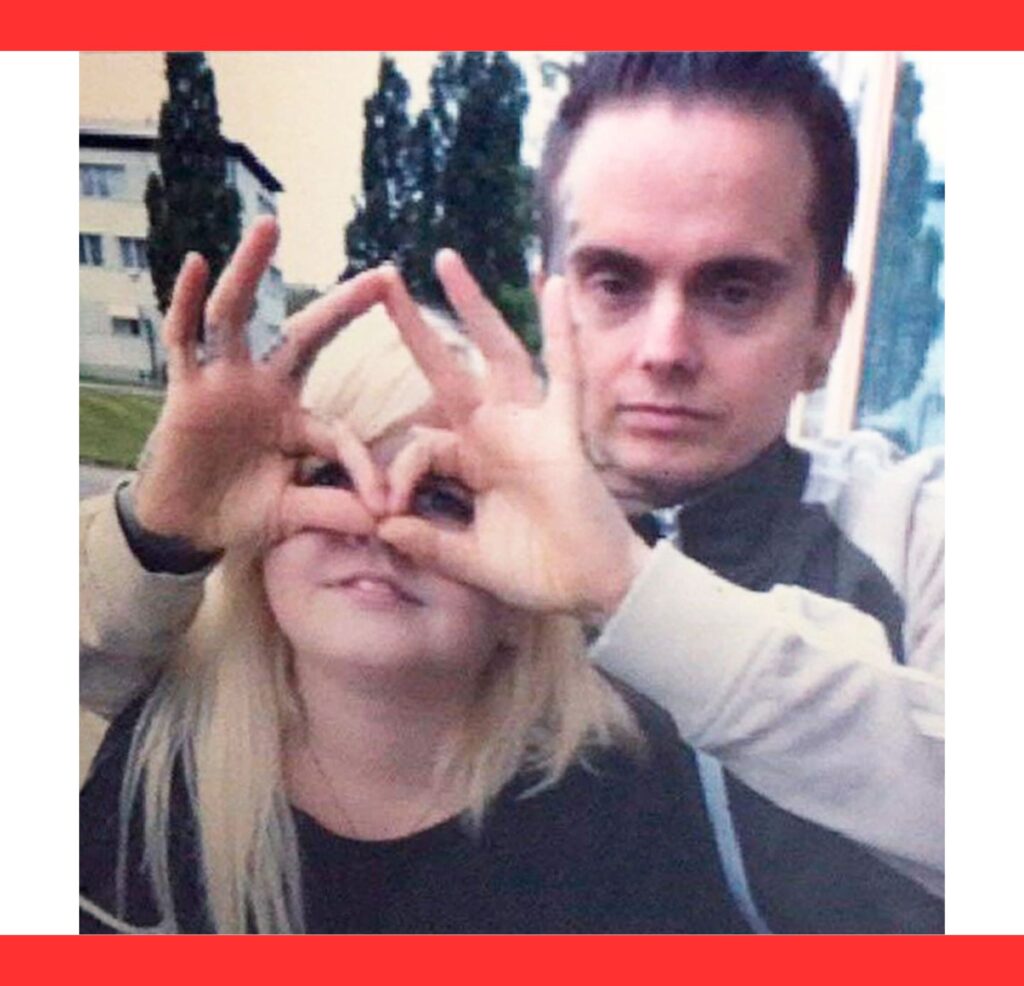
In the end, the question “Do you want me to show you what I’ve done?” wasn’t just about the past crime but a window into a mind consumed by darkness.
Jamie-Lee left with more questions than answers, a testament to the enduring impact of familial horror.