
In a startling reminder that curiosity can sometimes prove fatal, a 24-year-old man died in a freak kitchen accident involving a common household novelty item.
The victim was attempting to heat a lava lamp on his stove when the device exploded with deadly force.
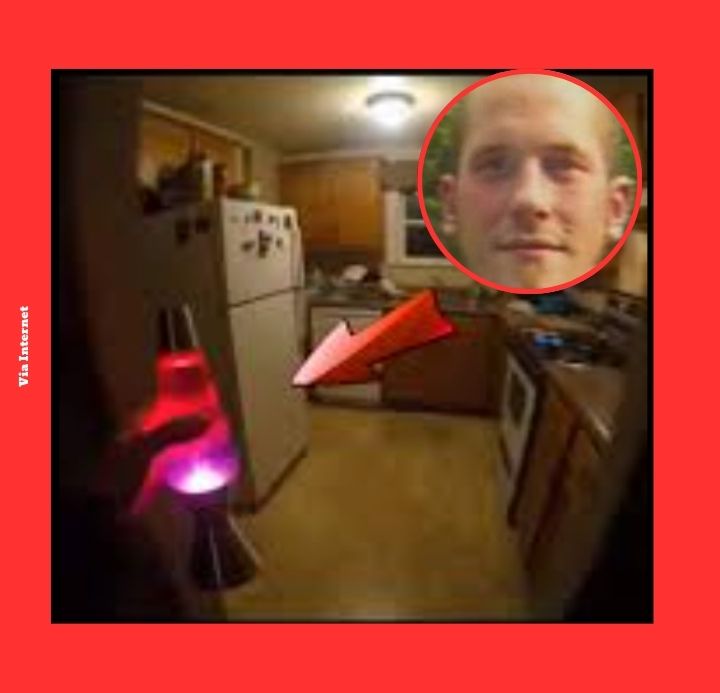
Philip Quinn was found dead in his trailer home in Kent, Washington, by his parents who had come to check on him.
The scene in the kitchen told the story of a well-intentioned but ill-fated experiment gone horribly wrong.
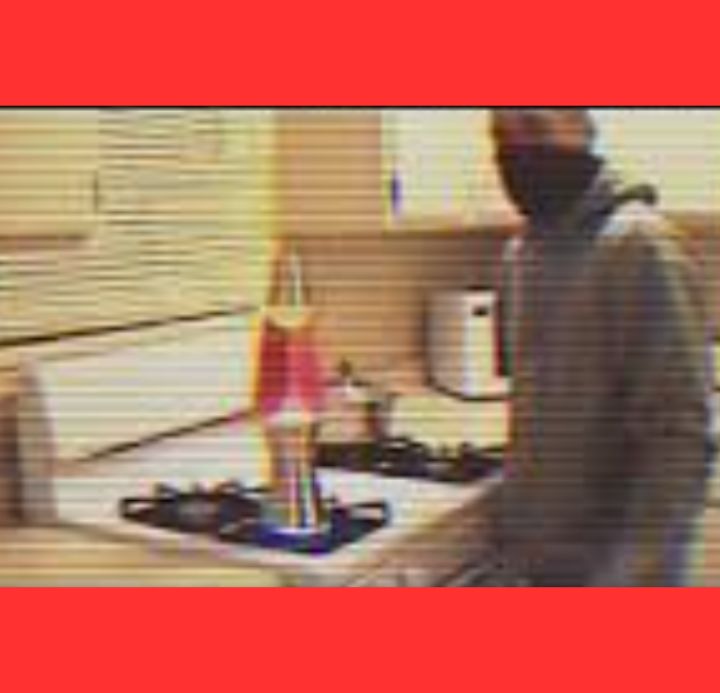
Motivated by curiosity to make the lava lamp’s characteristic blobs flow more vigorously, Quinn placed the glass lamp on a hot stovetop.
Little did he know that this simple action would set off a chain of events leading to his untimely demise.
Lava lamps contain a special blend of wax and colored liquid that reacts to heat.
When subjected to excessive temperatures from a stove, the contents expand dramatically, creating intense pressure inside the sealed glass container.
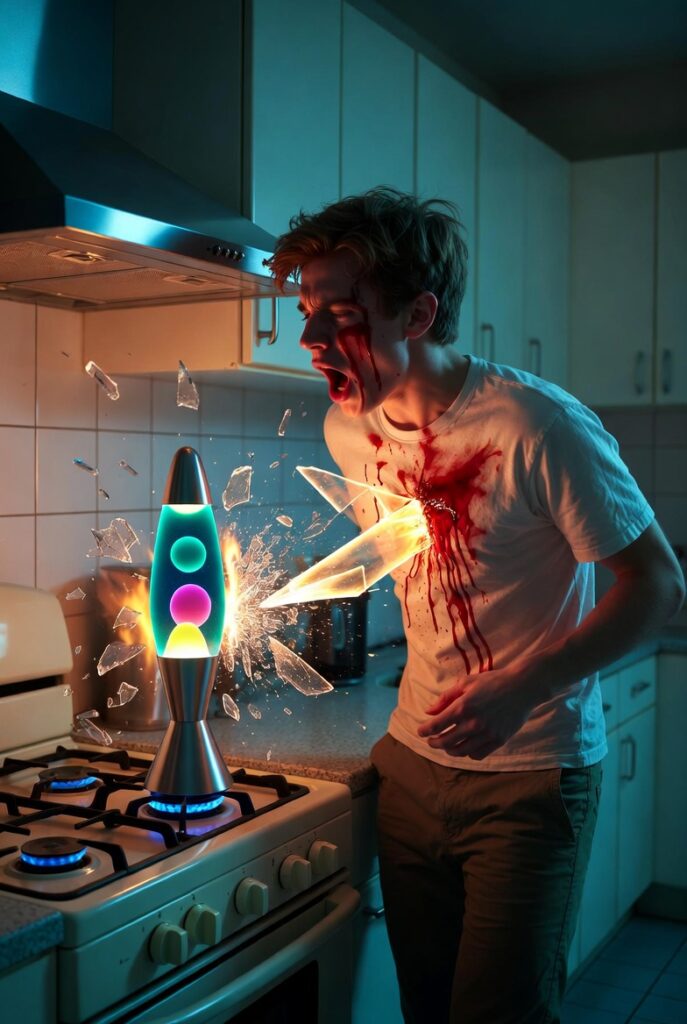
The pressure eventually caused the lamp to shatter explosively.
Flying glass fragments turned the kitchen into a hazard zone as the man stood nearby observing his experiment.

One large shard of glass flew directly toward Quinn, piercing his chest and severing major blood vessels near his heart.
He suffered immediate and catastrophic internal injuries from the penetrating trauma.
Despite staggering a short distance into an adjacent room, Quinn collapsed and died before medical assistance could reach him.
The medical examiner later confirmed the cause of death as a glass shard wound to the heart.

Police investigators reconstructed the events and determined there was no foul play involved.
Spokesperson Paul Petersen noted the puzzling nature of the accident, questioning why anyone would heat a lava lamp on a stove.
Lava lamps have been popular since the 1960s but come with strict safety warnings.
Manufacturers explicitly advise against placing them near heat sources, as the risk of explosion is well-documented in product instructions.
This incident echoes online videos of people attempting similar dangerous stunts with microwaves or stoves, though most result in mere property damage rather than loss of life.
It underscores the importance of heeding safety labels.
As communities mourn this unnecessary loss, safety advocates call for greater public education on the perils of misusing everyday objects.
Deadly curiosity like this serves as a sobering lesson to think twice before experimenting at home.