
In the lush landscapes of Southwest Virginia, 50-year-old Emily Carter enjoyed her routine hikes through wooded areas near Pulaski County.
Little did she know that one such outing would leave a lasting mark on her health and serve as a wake-up call about tick-borne illnesses.
One afternoon in late spring, Emily returned home from a trail walk feeling slightly fatigued but otherwise fine.
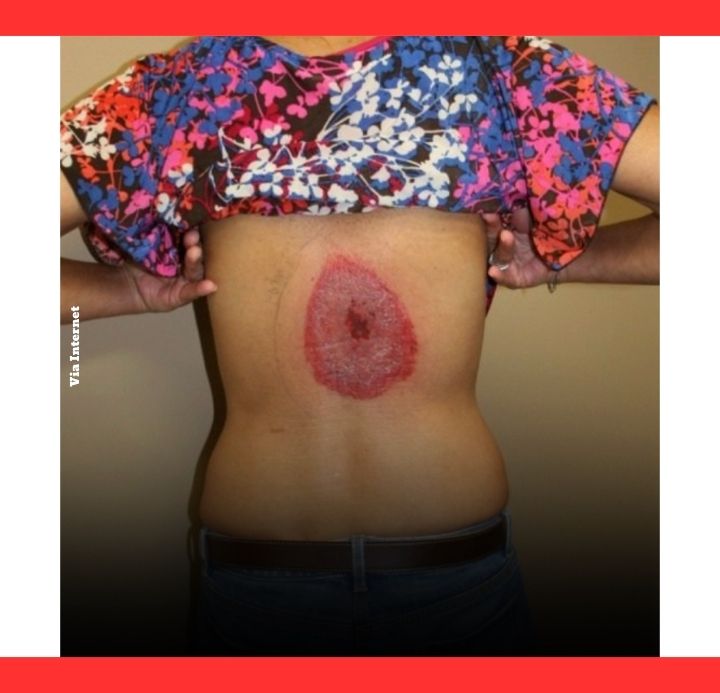
A few days later, while changing clothes, she noticed an unusual mark on her upper back that quickly expanded.
The rash was circular, with a red outer ring and a clearer center, forming the classic “bull’s eye” pattern known medically as erythema migrans.
It measured several centimeters across—eventually reaching about 16 by 18 cm—and felt warm to the touch without itching.
At first, Emily thought it might be a spider bite or allergic reaction from plants encountered during her hike.
She applied over-the-counter cream and monitored it closely while continuing her daily activities.
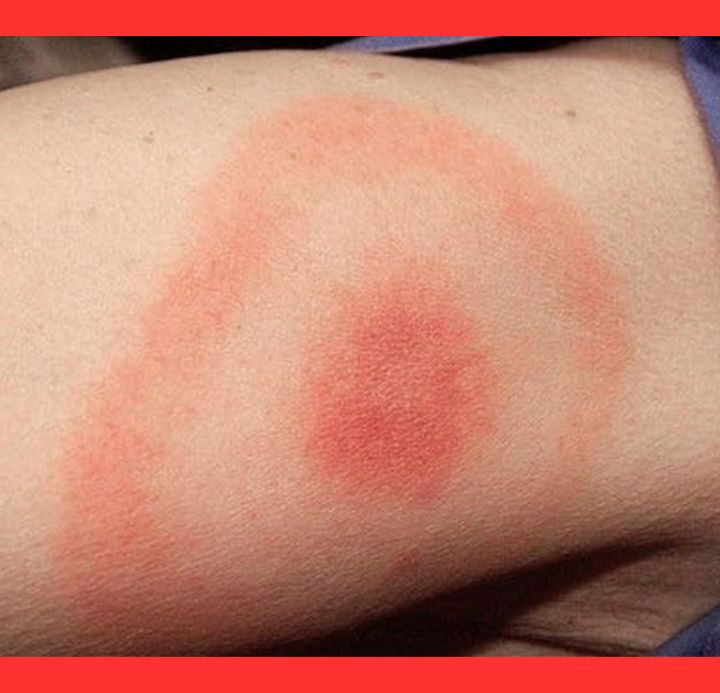
However, within a week, additional symptoms emerged including headaches, muscle aches, profound tiredness, and a high fever spiking to 104.4 degrees Fahrenheit that interfered with daily tasks.
Worried about the progression, Emily scheduled an appointment with her primary care physician.
The doctor immediately identified the characteristic rash as a hallmark sign of Lyme disease.
Lyme disease is caused by the Borrelia burgdorferi bacterium transmitted through the bite of infected blacklegged ticks, which are prevalent in Virginia’s forested and grassy regions.
Many victims, like Emily, never recall the actual bite.
Confirmatory blood tests supported the clinical diagnosis, though treatment often begins based on the rash alone in endemic areas.
Emily was diagnosed with early-stage Lyme disease.

She was prescribed a 14-day course of doxycycline antibiotics, the standard treatment for erythema migrans.
Within days, the rash began to fade, her fever broke, and her energy returned.
Lyme disease cases have been increasing in Virginia, with health officials noting around 1,155 reported cases annually, especially in suburban and western areas where outdoor recreation is popular.
Emily has since recovered fully and now educates her community on prevention.
She emphasizes wearing protective clothing, using DEET repellents, and performing thorough tick checks after outdoor activities in Virginia’s tick-prone forests.