
A British tourist’s dream holiday in Africa turned into a medical nightmare when a parasitic worm entered his body through his penis and began laying eggs inside him.
James Michael never imagined that a refreshing swim in Lake Malawi would lead to months of agony and near-death illness.
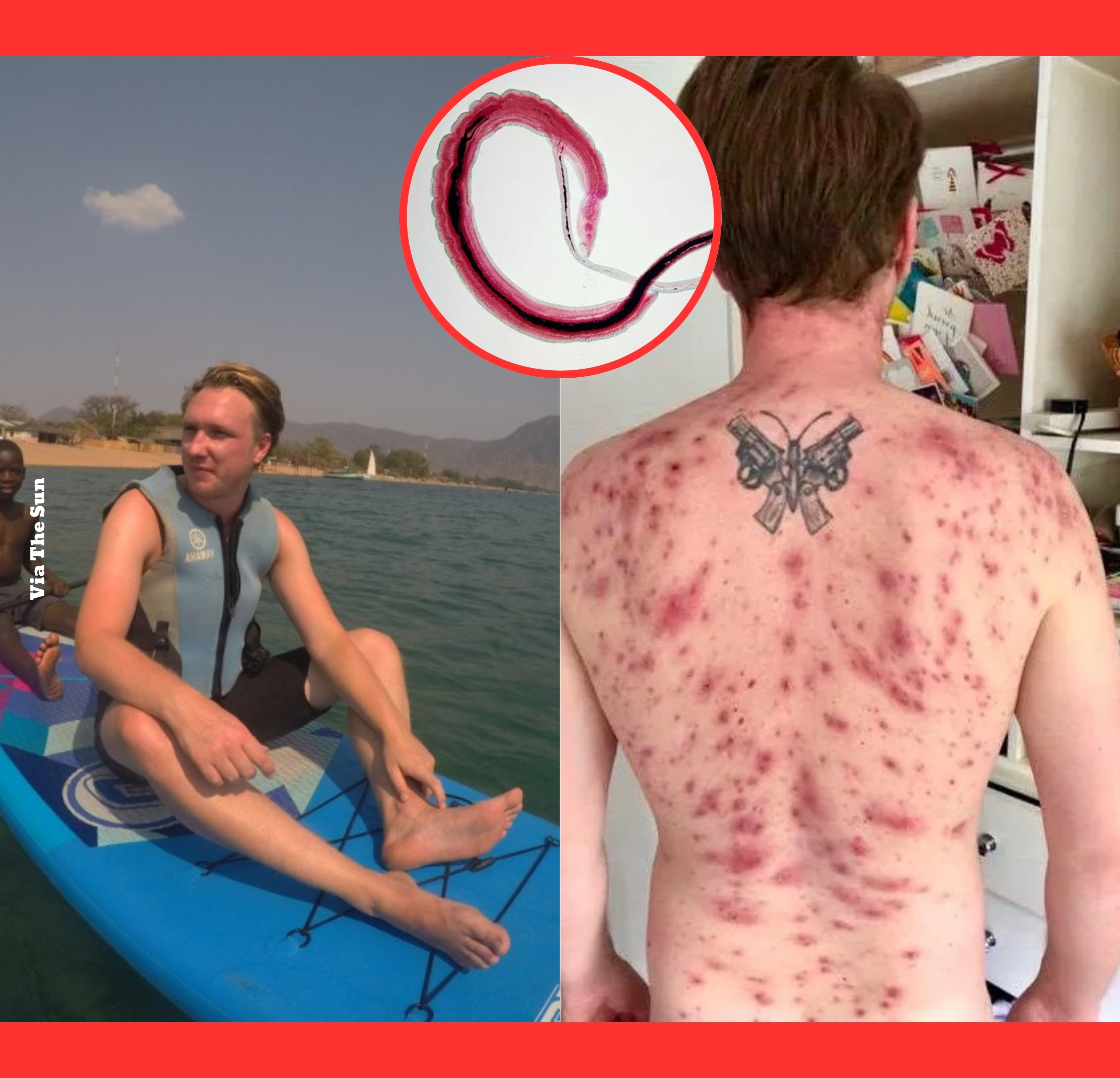
James Michael, 32, from Kensington in London, was enjoying the trip of a lifetime with friends in 2017, traveling through Zambia, Zimbabwe, and finally Malawi.
The group had planned the adventure for months, seeking exotic landscapes and thrilling outdoor activities far from their everyday lives in the UK.

During five days in Malawi, the group spent hours each day swimming and canoeing in the freshwater of Lake Malawi, unaware of the dangers lurking in the water.
The lake’s crystal-clear appearance and warm temperatures made it irresistible for cooling off after long days of exploration and travel.
Unbeknownst to him, while swimming, a tiny parasitic worm from the Schistosoma family penetrated his urethra and made its way inside his body.
This flatworm, responsible for the disease known as schistosomiasis or bilharzia, is prevalent in many African freshwater bodies and can penetrate human skin or mucous membranes with ease.
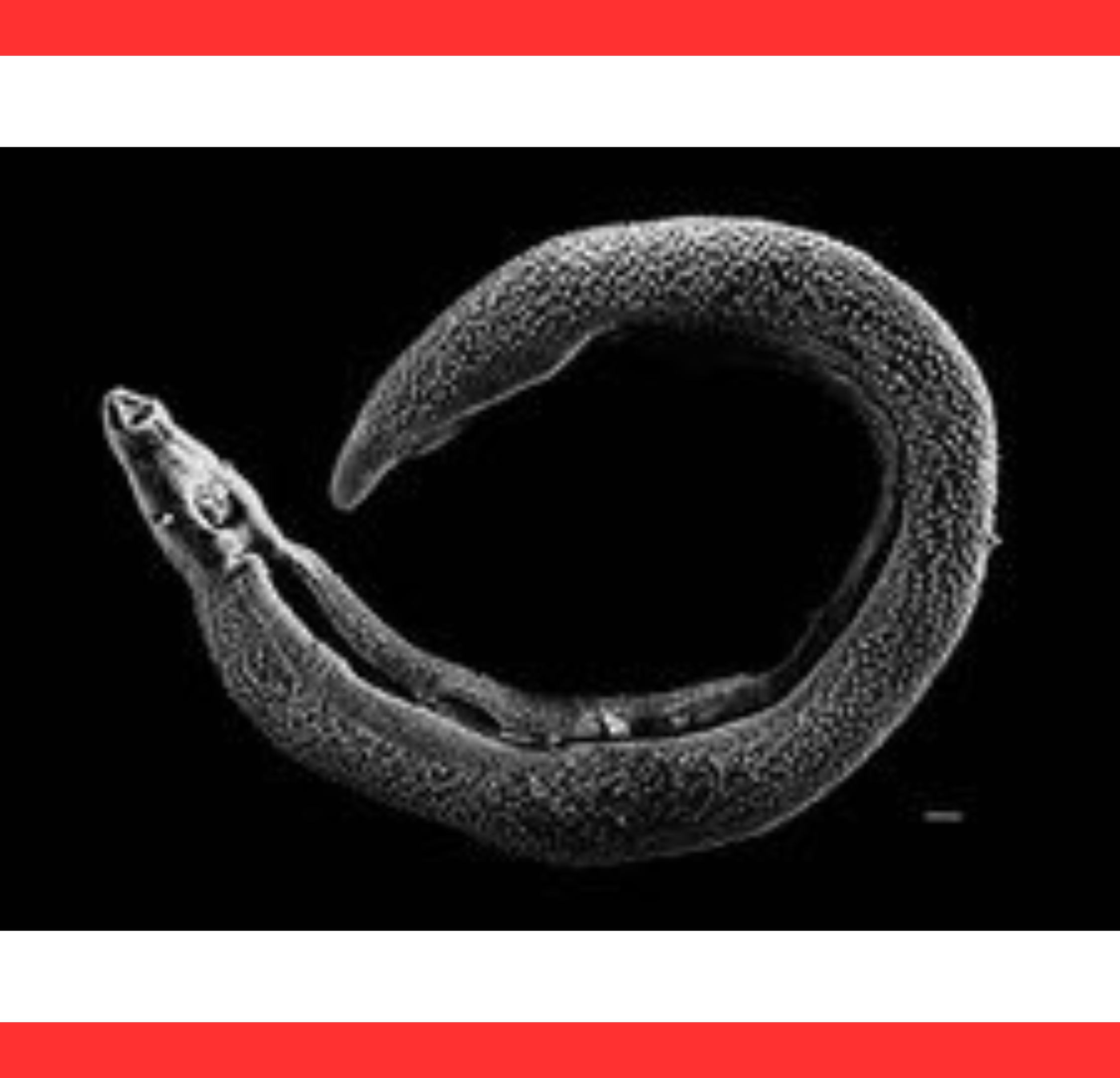
The worm laid eggs, which triggered a severe immune response.
However, symptoms did not appear immediately, allowing James to return home to the UK without suspicion.
The delayed onset meant he had no idea what was brewing inside him until it was almost too late.
Over a year later, in October 2018, James began experiencing fatigue and loss of feeling in his legs, initially attributing it to exercise or jet lag from the trip.
What started as mild numbness quickly escalated into a terrifying loss of mobility that doctors initially could not explain.

His condition worsened rapidly; he struggled with stairs, suffered night sweats, and eventually lost the use of his legs as the parasite’s eggs attacked his spinal cord.
Hospitalized for three months at London’s Hospital for Tropical Diseases, he required a wheelchair and later crutches during a grueling recovery.
After multiple hospital visits, including to Chelsea and Westminster Hospital, he was referred to specialists where doctors diagnosed schistosomiasis, also known as bilharzia.
They confirmed a parasitic worm had crawled up his penis during the swim and laid eggs, sparking the devastating immune attack on his body.

James underwent a six-month course of steroids and specific medication to kill the infection, spending three months in hospital, followed by months in a wheelchair and on crutches.
The pain was excruciating, including a severe acne outbreak across his back and arms that prevented normal sleep or showers.
Reflecting on the ordeal, James said it was ‘surreal and strange,’ noting the bizarre thought that the parasite had entered while in paradise, and he now urges others not to swim in Lake Malawi.

“When I look back at photos from my time in Africa, it’s weird to think that’s where the parasite crawled up my penis,” he recalled.
Having made a full recovery after a long battle, James’s story serves as a stark warning to travelers about the hidden risks of freshwater in tropical regions and the importance of researching health hazards before adventures.
His experience highlights how even the most idyllic holiday can hide life-threatening dangers.