
Medical experts are sounding the alarm over a perplexing new condition that is transforming human tongues in alarming ways.
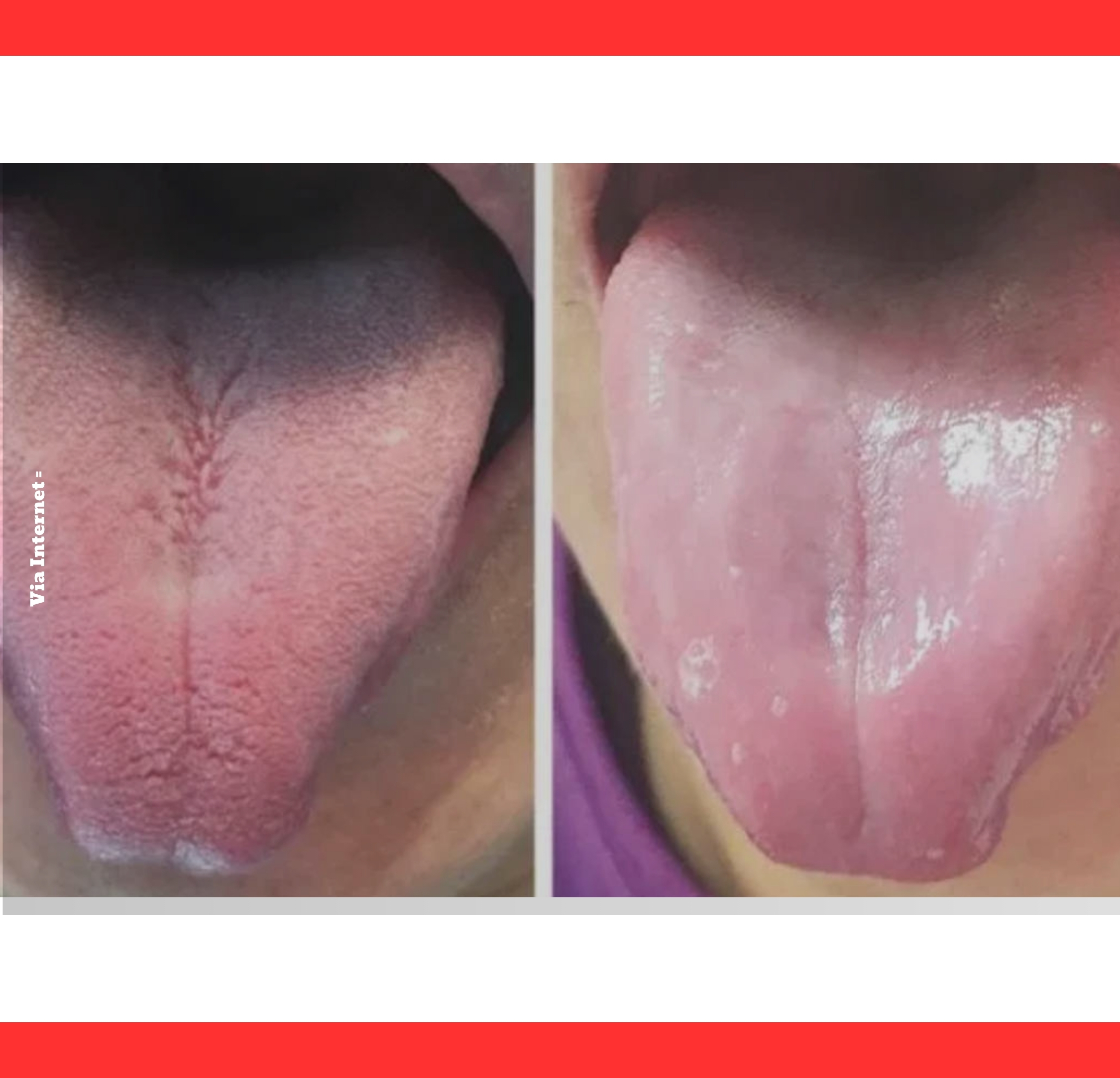
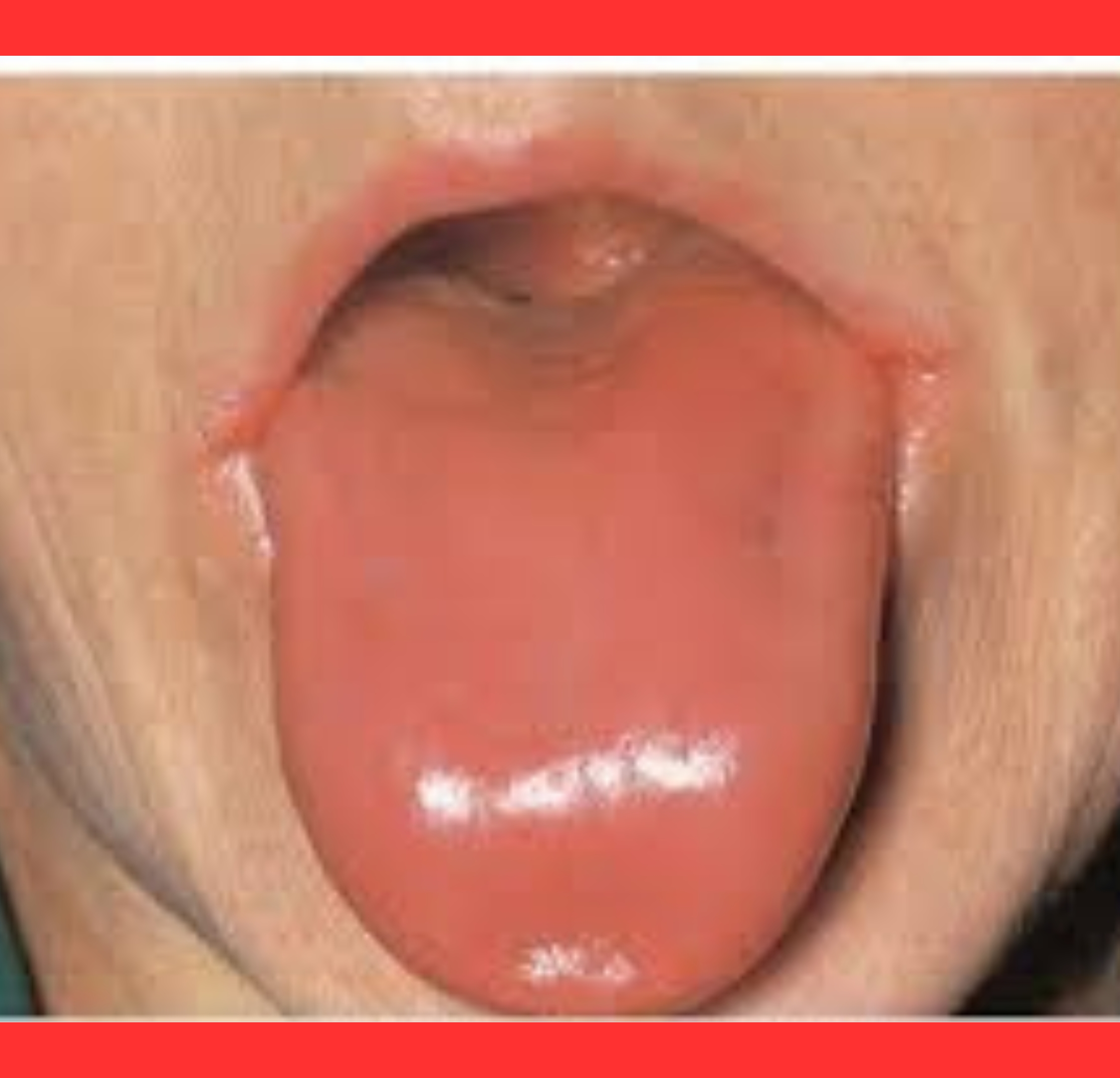
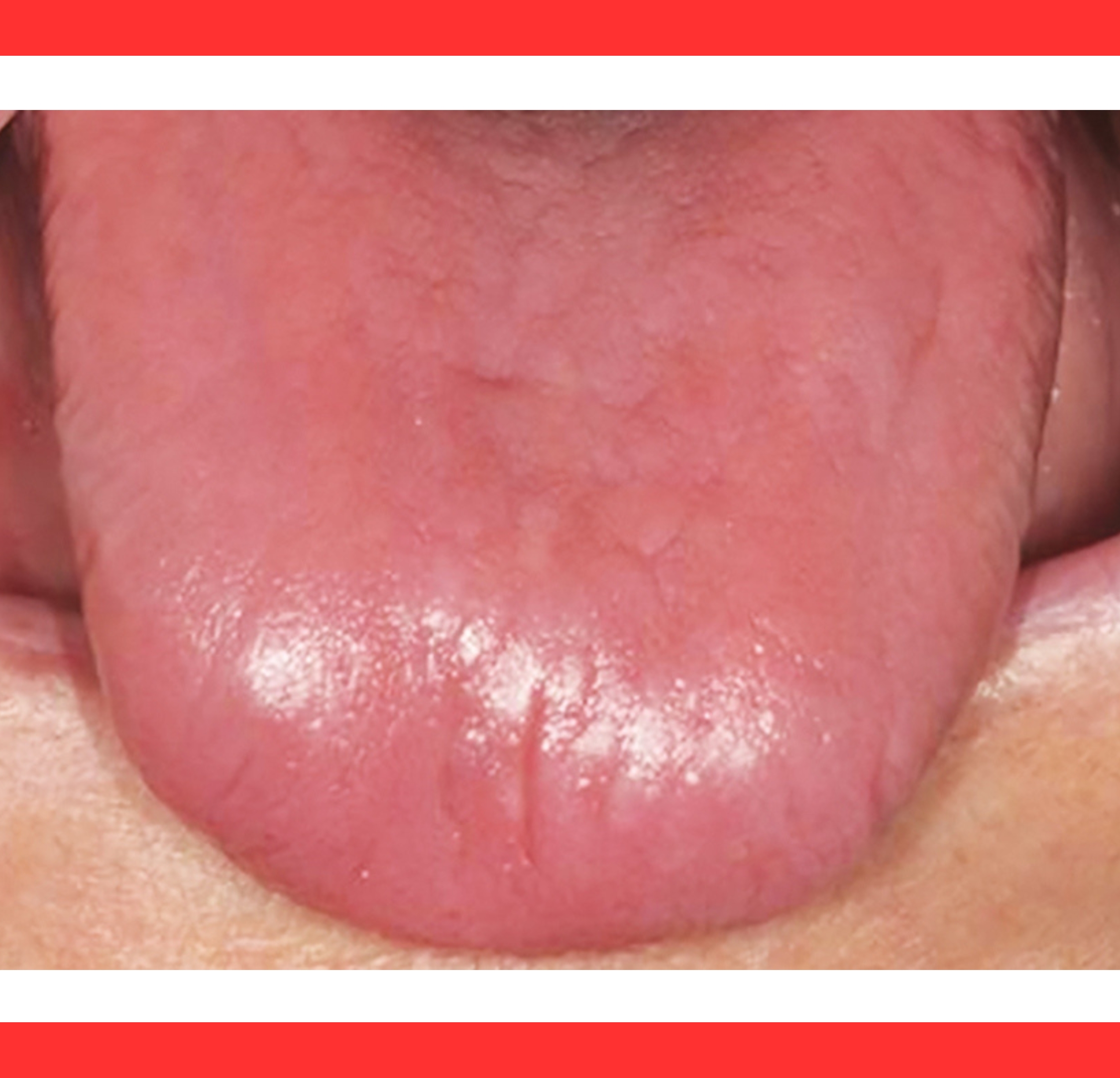
Known tentatively as Lingua Mutans Syndrome (LMS), this phenomenon causes the tongue to lose its natural rough texture, morphing into a smooth, shiny mass of flesh that baffles researchers.
The first cases emerged mysteriously in remote villages of Southeast Asia about 18 months ago.
Patients reported a tingling sensation followed by rapid changes in their oral cavity. Within days, their tongues became unnaturally glossy and featureless.
Dr. Elena Vargas, a leading oral pathologist, describes the mutation vividly: “The papillae, those small projections that give the tongue its characteristic appearance, completely atrophy.
The surface becomes eerily smooth and reflective, like wet rubber or polished flesh.”
Sufferers experience significant challenges.
Eating and speaking become difficult as the altered tongue loses sensitivity and grip.
Some report a complete loss of taste, while others describe strange metallic flavors persisting.
What could be causing this?
Theories range from an unknown viral infection to environmental toxins or even genetic triggers activated by modern stressors.
No definitive cause has been identified yet.
Global health organizations have launched investigations, but the condition’s rarity makes data collection challenging.
Clusters have appeared in urban areas of Europe and North America, raising fears of a potential pandemic.
Patient testimonies are harrowing.
One anonymous victim from Ho Chi Minh City shared, “It feels like my tongue is no longer part of me.
It’s just this alien, shiny slab that doesn’t belong.”
Histological examinations reveal profound cellular changes.
The epithelial layer thickens in unusual patterns, with increased collagen deposits creating the shiny appearance under light.
Treatment options remain limited.
Current approaches focus on symptom management, including speech therapy and dietary adjustments.
Experimental therapies targeting cellular regeneration are under trial but show mixed results.
Scientists warn that without swift understanding of this phenomenon, more mutations could emerge.
Is this an isolated anomaly or a harbinger of broader human genetic instability in the face of climate change and pollution?
As research continues, public awareness is crucial.
Anyone noticing unusual changes in their tongue should seek immediate medical attention.
The glossy tongue enigma serves as a stark reminder of how little we still know about the human body and emerging threats to our health.