
Many pet owners cherish the warmth and companionship of sharing their bed with dogs or cats.
However, this close proximity can facilitate the transmission of parasitic infections from pets to humans.
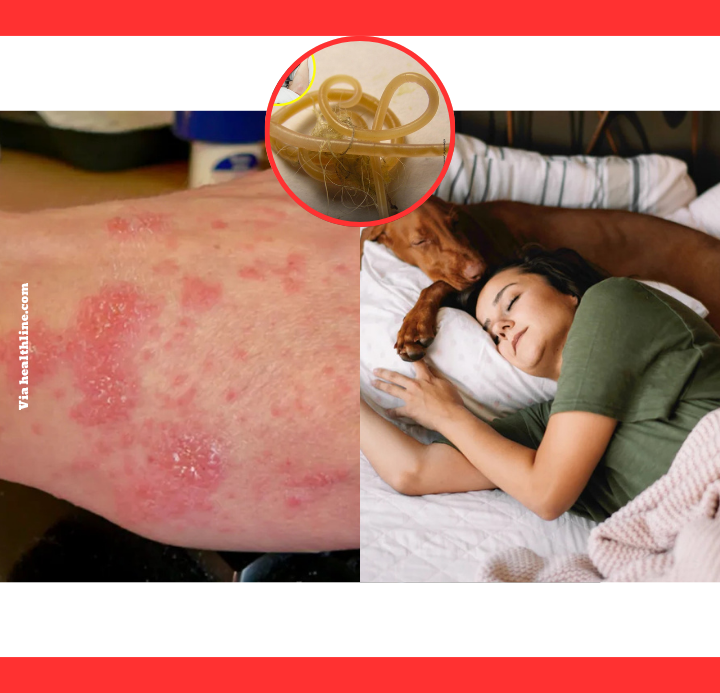
Fleas are among the most prevalent ectoparasites.
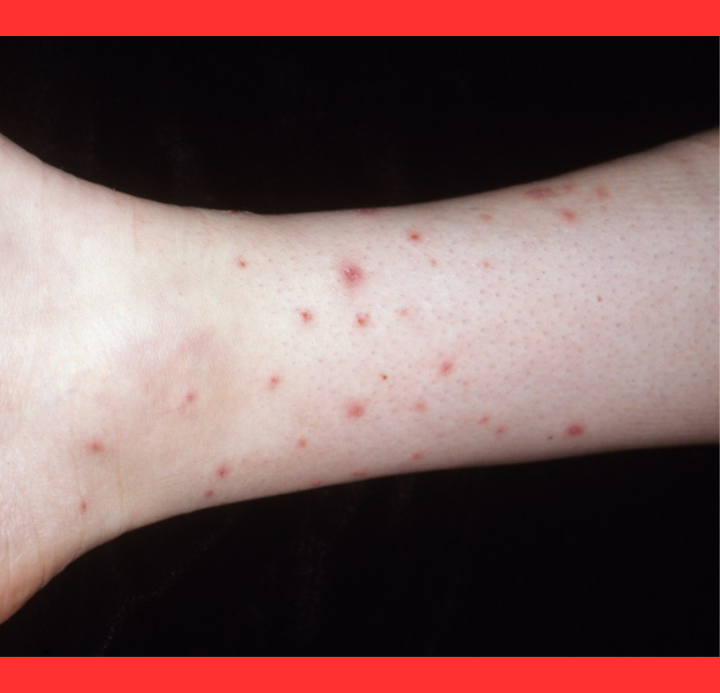
A flea-infested pet jumping onto the bed can quickly spread these agile jumpers, leading to multiple itchy bites on human skin during the night.
In addition to discomfort from bites, fleas serve as intermediate hosts for the tapeworm Dipylidium caninum.
Accidental ingestion of an infected flea while cuddling or through contaminated bedding can result in human intestinal tapeworm infection.
Ticks hitchhiking on pets pose another threat.
These blood-sucking parasites can detach in the bed and attach to humans, potentially causing local irritation or transmitting other pathogens, though primary concern is the tick infestation itself.
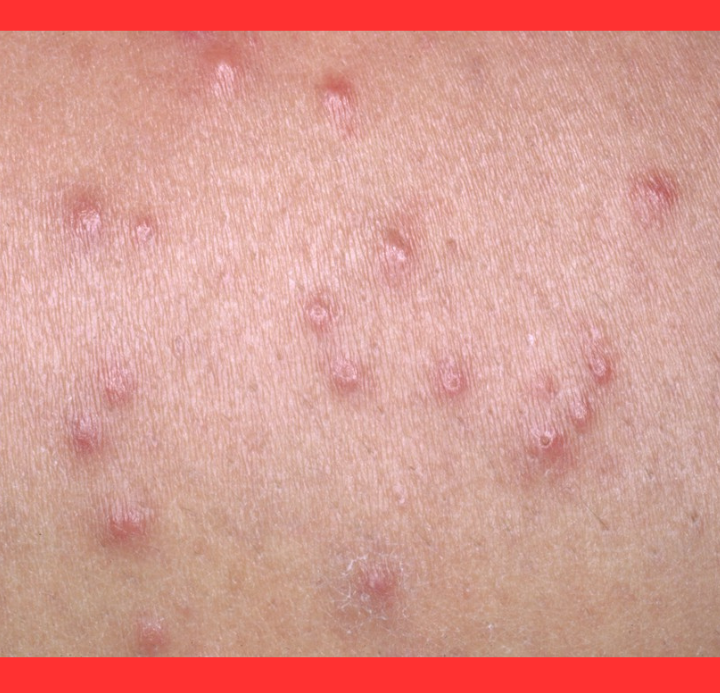
Surface-dwelling mites like Cheyletiella species, often called “walking dandruff,” can transfer directly from pet fur to human skin.
This leads to pruritic dermatitis with scaling and redness, exacerbated by overnight contact.
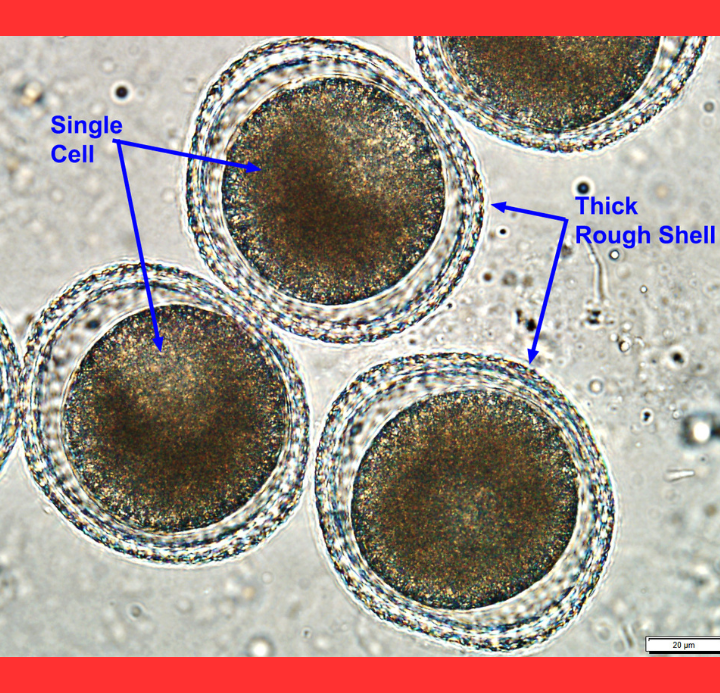
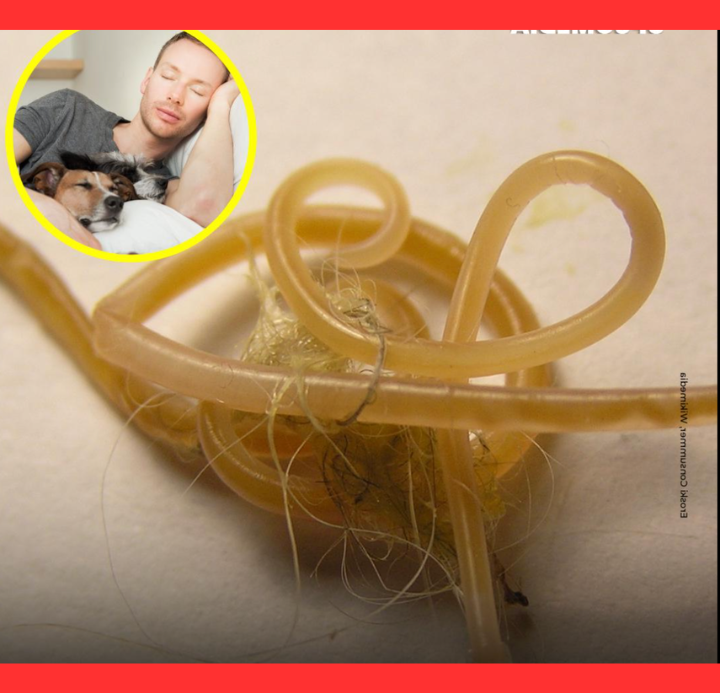
Internal parasites such as Toxocara roundworms from dogs and cats are particularly concerning.
Eggs adhering to the animal’s coat can contaminate bedding and be inadvertently ingested or transferred to hands and mouth.
Human infection with Toxocara larvae causes toxocariasis. In severe cases, larvae migrate through tissues, leading to visceral larva migrans affecting organs or ocular larva migrans impairing vision, with higher risks for children.

Hookworms from pets can cause cutaneous larva migrans.
Larvae in contaminated environments or transferred via close contact penetrate the skin, creating serpiginous, intensely itchy tracks on the body.
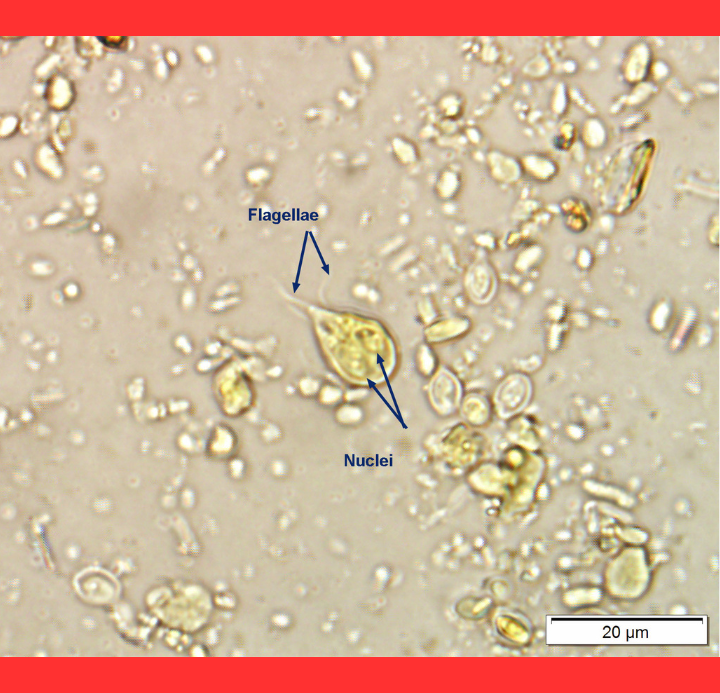
Protozoan parasites including Giardia and Cryptosporidium are shed in pet feces.
Poor hand hygiene after petting or shared sleeping spaces increases the chance of fecal-oral transmission, resulting in diarrheal illnesses.
Common symptoms of these infections range from skin rashes and itching to gastrointestinal distress, fever, or more serious complications in immunocompromised individuals, young children, and the elderly.
Prevention is key: Keep pets on year-round flea, tick, and deworming medications, schedule regular veterinary visits, maintain household cleanliness, and wash hands frequently.
While bed-sharing offers bonding, informed precautions ensure safety for all.