
The serene beaches of K’gari, the world-renowned sand island off Queensland’s coast formerly known as Fraser Island, turned into a site of profound tragedy on January 19, 2026, when the body of 19-year-old Canadian backpacker Piper James was discovered by passersby in the early morning hours.
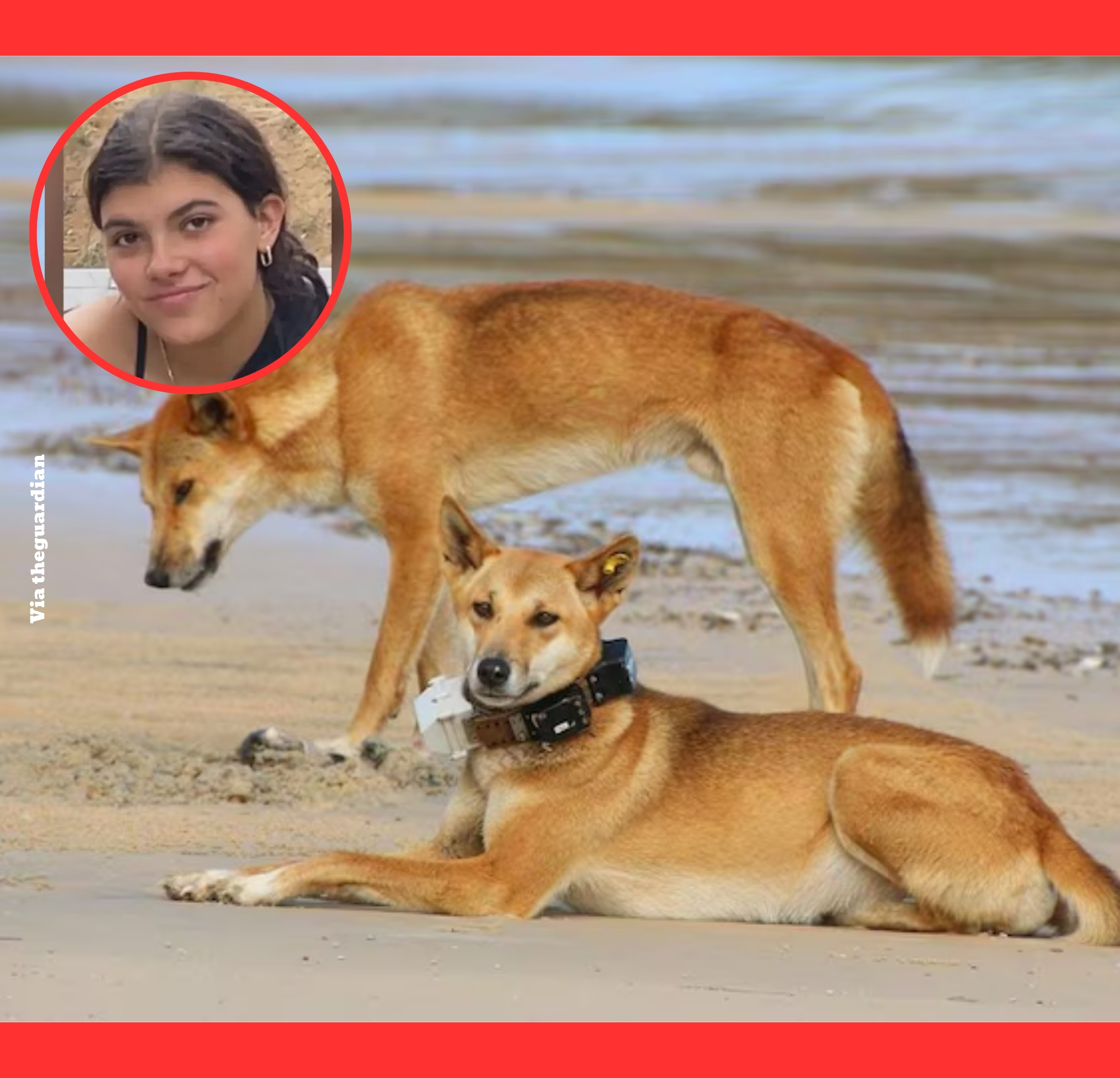
James, originally from Campbell River in British Columbia, had been exploring Australia as part of an adventurous gap-year journey filled with cultural immersion and natural wonders.
Her lifeless form was located near a temporary campsite where she had been living and working for approximately one week, highlighting the remote yet popular tourist spot’s appeal to young international travelers seeking authentic experiences.
Authorities arrived swiftly after the alarm was raised around 6:30 a.m., noting the unusual and alarming presence of roughly ten dingoes encircling the young woman’s body on the beach.
Dingoes, native wild dogs protected under conservation laws on the UNESCO World Heritage-listed island, are known to roam freely across its vast dunes and rainforests, occasionally interacting with humans despite repeated safety campaigns.
The scene immediately prompted concerns over a possible wildlife attack, leading Queensland Police and wildlife officers to cordon off the area and launch a detailed investigation into the circumstances surrounding her untimely passing.

Piper James had arrived in Australia eager to experience the country’s unique landscapes, having documented parts of her travels on social media that showcased her love for hiking, camping, and connecting with nature.
Friends back home described her as an outgoing and resilient adventurer who embraced challenges with enthusiasm.
Her temporary role at the campsite on K’gari allowed her to extend her stay while contributing to the local tourism economy, a common path for many backpackers drawn to the island’s pristine beauty and abundant wildlife.
As initial examinations revealed multiple injuries consistent with dingo bites sustained while James was still alive, officials emphasized that such encounters, though rare, underscore the need for vigilance in dingo habitats.
K’gari’s ecosystem supports a healthy dingo population that has historically coexisted with visitors, yet past incidents have led to public education programs advising against feeding the animals or approaching them closely.
James’s case quickly became a focal point for discussions on balancing tourism with wildlife preservation on the island.
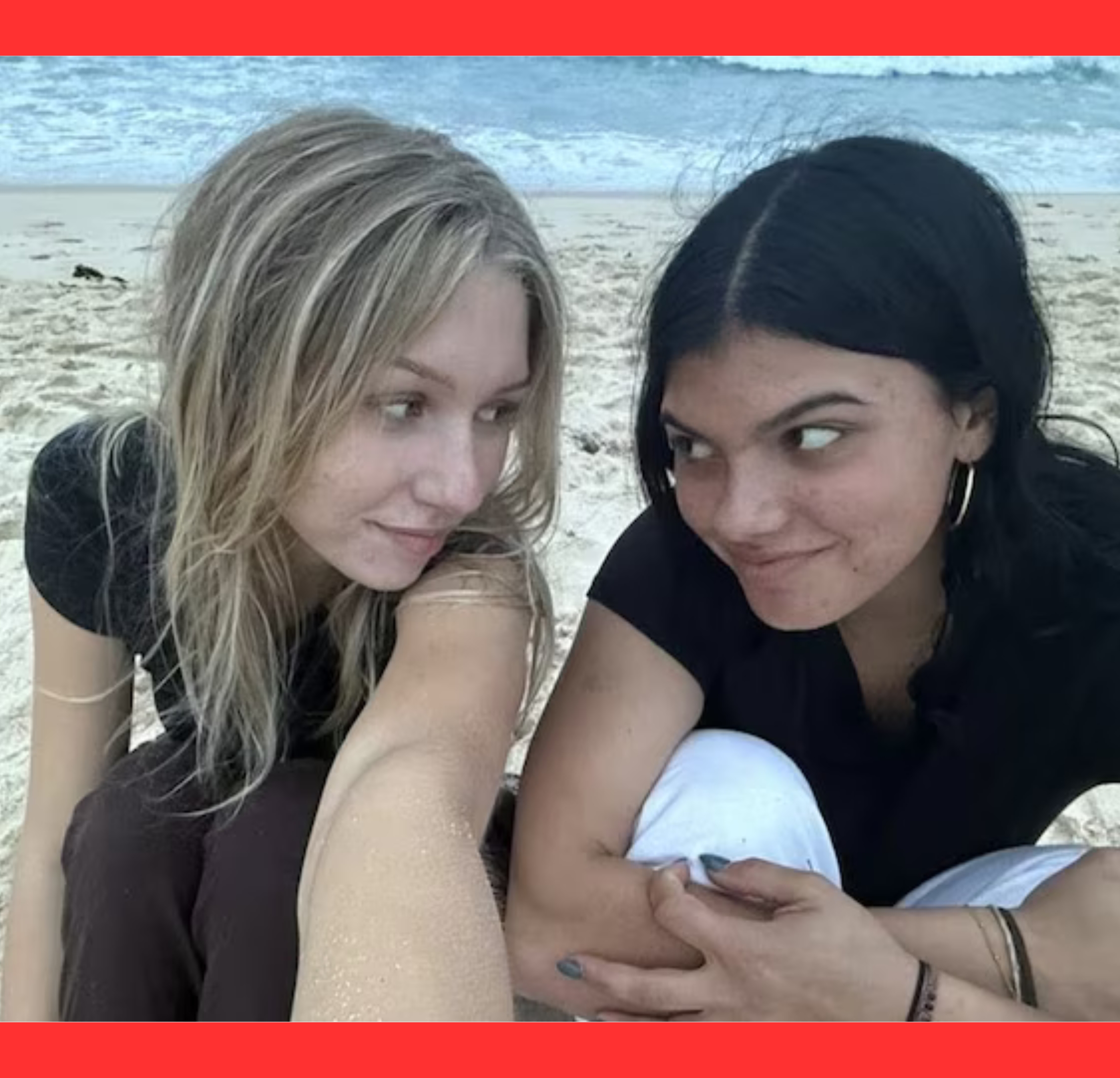
In the weeks following the discovery, the Queensland Coroners Court conducted a thorough inquest, gathering evidence from forensic experts, witnesses, and environmental specialists familiar with dingo behavior.
The investigation explored every aspect of the evening prior to her death, including her activities at the campsite and any potential environmental factors like tides or weather that may have played a role.
Families of previous dingo-related incidents expressed solidarity with James’s loved ones during this period of uncertainty.
On March 5, 2026, the coroner delivered a definitive ruling that brought some closure to the grieving family: Piper James died as a result of drowning in the setting of multiple injuries, due to or as a consequence of a dingo attack.
The findings clarified that the injuries likely contributed to her entering the water, where she ultimately drowned, painting a clearer picture of the tragic sequence of events that unfolded on that fateful beach.

James’s family in Canada publicly shared their devastation through statements relayed by authorities, describing their daughter as a vibrant young woman whose passion for travel should inspire rather than deter others from exploring responsibly.
They called for enhanced safety protocols, including better signage, guided tours, and stricter enforcement of dingo interaction rules across K’gari and similar sites.
Her funeral in British Columbia drew hundreds, celebrating a life cut short but filled with promise and curiosity about the world.
In direct response to the coroner’s report, Queensland authorities initiated measures to manage the local dingo population, including the euthanasia of several animals believed to have been involved in the incident.
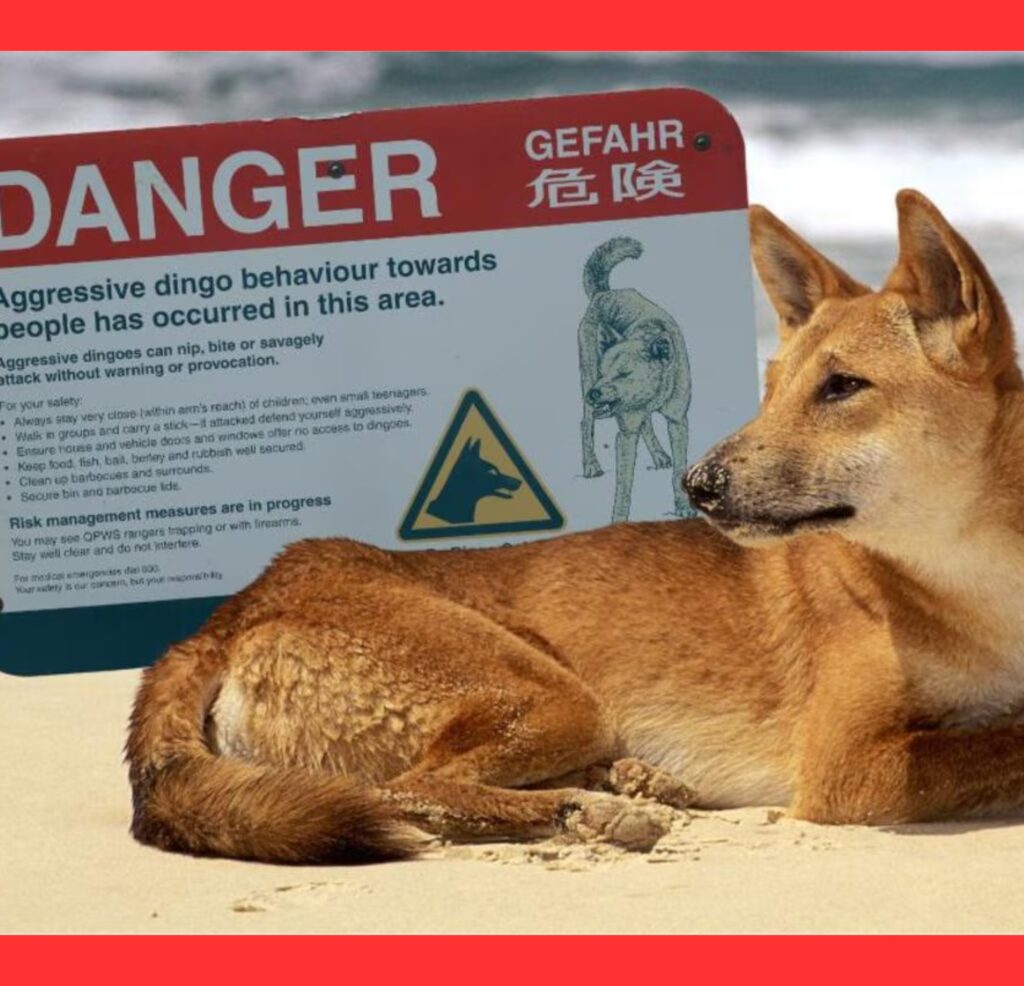
This decision sparked debate among conservationists and tourism operators, who stressed the importance of non-lethal deterrence methods like fencing and education campaigns to prevent future conflicts while preserving the island’s natural heritage.
The incident has prompted renewed warnings from Australian tourism boards and wildlife agencies for all visitors to heed dingo safety guidelines, such as never feeding wild animals, keeping children supervised, and securing food and belongings at campsites.

K’gari’s pristine environment continues to attract thousands annually, yet this tragedy serves as a stark reminder of nature’s untamed power even in protected areas.
Her memory endures as a call for vigilance and compassion in our interactions with the natural world.