
In the small town of Kokomo, Indiana, 13-year-old Ryan White lived an ordinary life until a devastating diagnosis changed everything.
Born with hemophilia, a rare blood disorder that impairs clotting, Ryan relied on regular medical treatments to survive.
His story would soon capture the nation’s attention as a symbol of courage amid fear and misunderstanding surrounding a new epidemic.
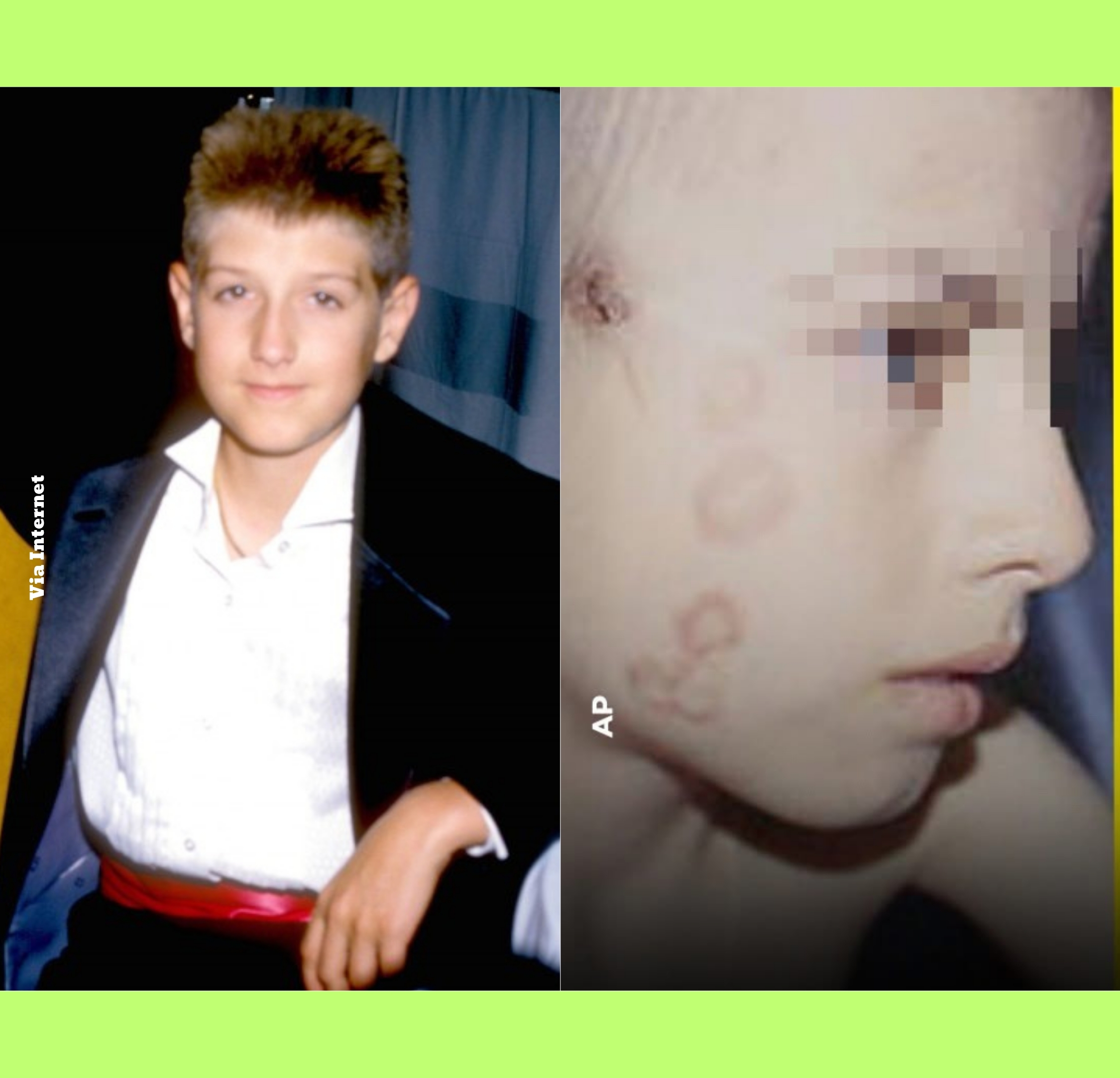
Ryan contracted HIV through a contaminated batch of factor VIII, a blood product essential for treating his hemophilia. In December 1984, at just 13 years old, he was diagnosed with AIDS.
At the time, little was known about the disease, and public panic was widespread. Doctors gave the young boy only six months to live, a prognosis that weighed heavily on him and his family.
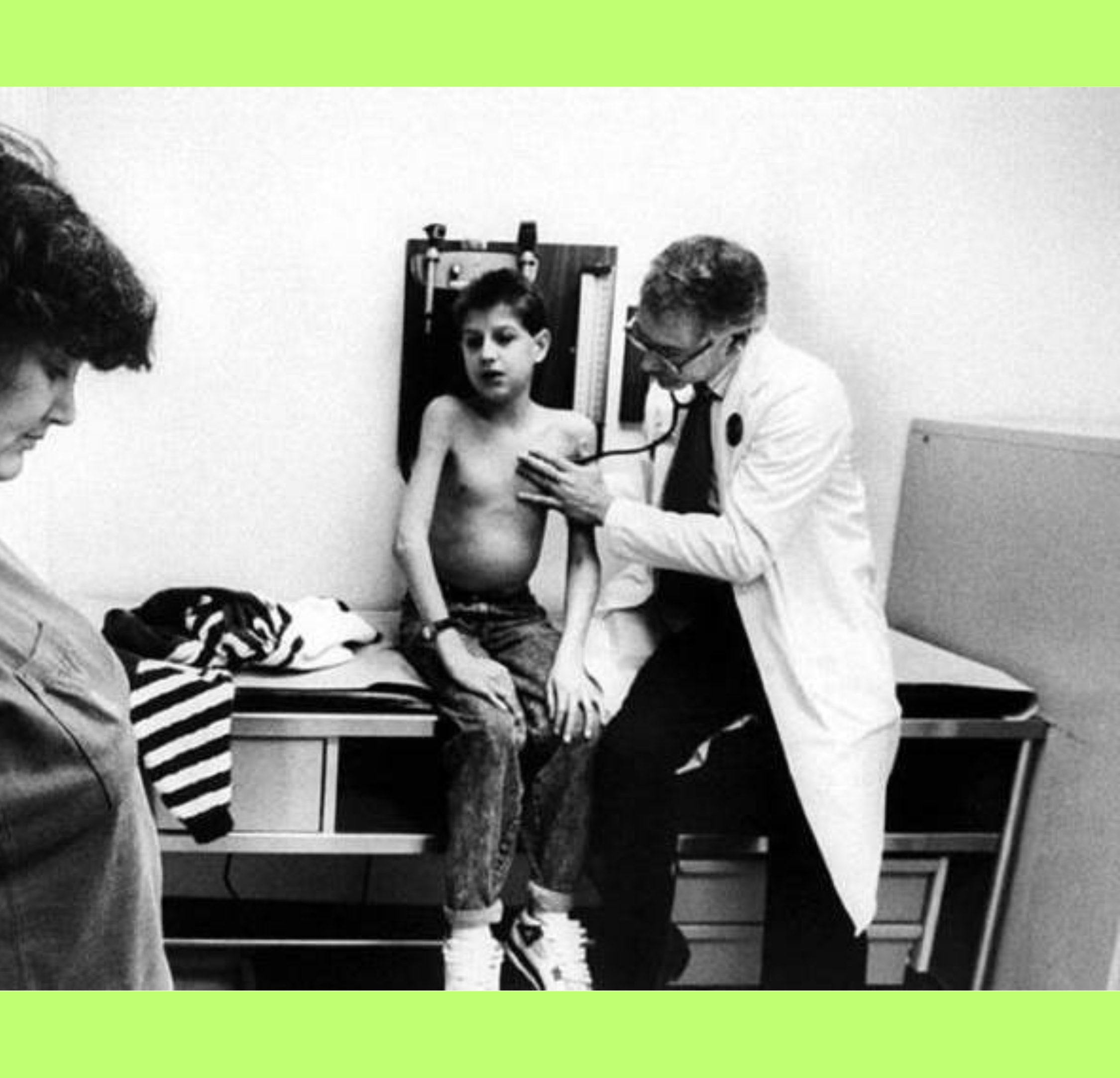
Despite the grim outlook, Ryan showed remarkable resilience. He fought not only the illness but also the social isolation that came with it.
His mother, Jeanne White-Ginder, stood by him as they navigated the challenges ahead.
The family hoped Ryan could continue his education and maintain some normalcy in his life.
When Ryan tried to return to Western Middle School after his diagnosis, he encountered fierce opposition.
Parents and students feared that casual contact could spread the virus, despite medical evidence to the contrary.
This ignorance led to protests and threats, turning the community’s response into a national controversy.

School officials eventually barred Ryan from attending classes in person, forcing him to pursue his studies through a telephone connection from his bedroom.
This decision prompted the White family to take legal action, suing the school for the right to an in-person education.
Their fight highlighted the deep-seated stigma attached to AIDS patients in the 1980s.
The case drew widespread media coverage, bringing Ryan into the spotlight as an advocate for AIDS awareness.
He appeared on television shows and spoke before Congress, educating the public that HIV was not transmitted through everyday interactions like hugging or sharing a classroom.
His calm demeanor and intelligence helped humanize the disease.

Throughout his ordeal, Ryan maintained a positive attitude and a desire to live life fully.
He made friends with high-profile figures, including musician Elton John and pop star Michael Jackson, who provided emotional and financial support.
These connections amplified his message and brought further attention to the cause.
Ryan defied medical expectations by living for five years after his diagnosis.
He continued to speak out against discrimination and for better research and funding for AIDS treatment.
His efforts contributed to changing public perceptions and policies regarding the epidemic.

On April 8, 1990, just one month before his high school graduation, Ryan White passed away from AIDS-related pneumonia at the age of 18.
His funeral drew over 1,500 mourners, including celebrities and politicians, reflecting the impact he had made.
In the wake of his death, Congress passed the Ryan White Comprehensive AIDS Resources Emergency (CARE) Act in 1990.
This legislation provides essential funding for medical care and support services for individuals and families affected by HIV/AIDS, honoring Ryan’s legacy of compassion and advocacy.
Today, Ryan White’s story serves as a poignant reminder of the importance of science-based education, empathy, and fighting stigma in the face of health crises.
His brief life left an enduring mark on American society, inspiring ongoing efforts to combat HIV/AIDS worldwide.