
In the autumn of 1977, Columbus, Ohio, was gripped by fear as three young women fell victim to a series of brutal kidnappings, robberies, and rapes near the Ohio State University campus.
The perpetrator seemed elusive until police arrested 22-year-old Billy Milligan.

Milligan, who had a history of childhood abuse and prior criminal activity, denied any involvement in the crimes.
His defense team pursued an unusual strategy: insanity based on a rare psychological condition.
Psychiatric evaluations revealed something astonishing and deeply disturbing about Milligan’s psyche.
He suffered from dissociative identity disorder, commonly known as multiple personality disorder at the time, manifesting in no fewer than 24 distinct personalities.

These alters included Arthur, a refined British intellectual who managed the “family” of personalities; Ragen Vadascovinich, a violent Yugoslavian protector who claimed responsibility for the armed robberies; and Adalana, a 19-year-old lesbian who allegedly perpetrated the rapes seeking affection.
The terrifyingly disturbed mind of Billy Milligan housed a complex internal society.
There were child personalities like Christene, a three-year-old girl who spoke with a British accent, and Shawn, a deaf boy.
Others were artists, con men, and escape artists.
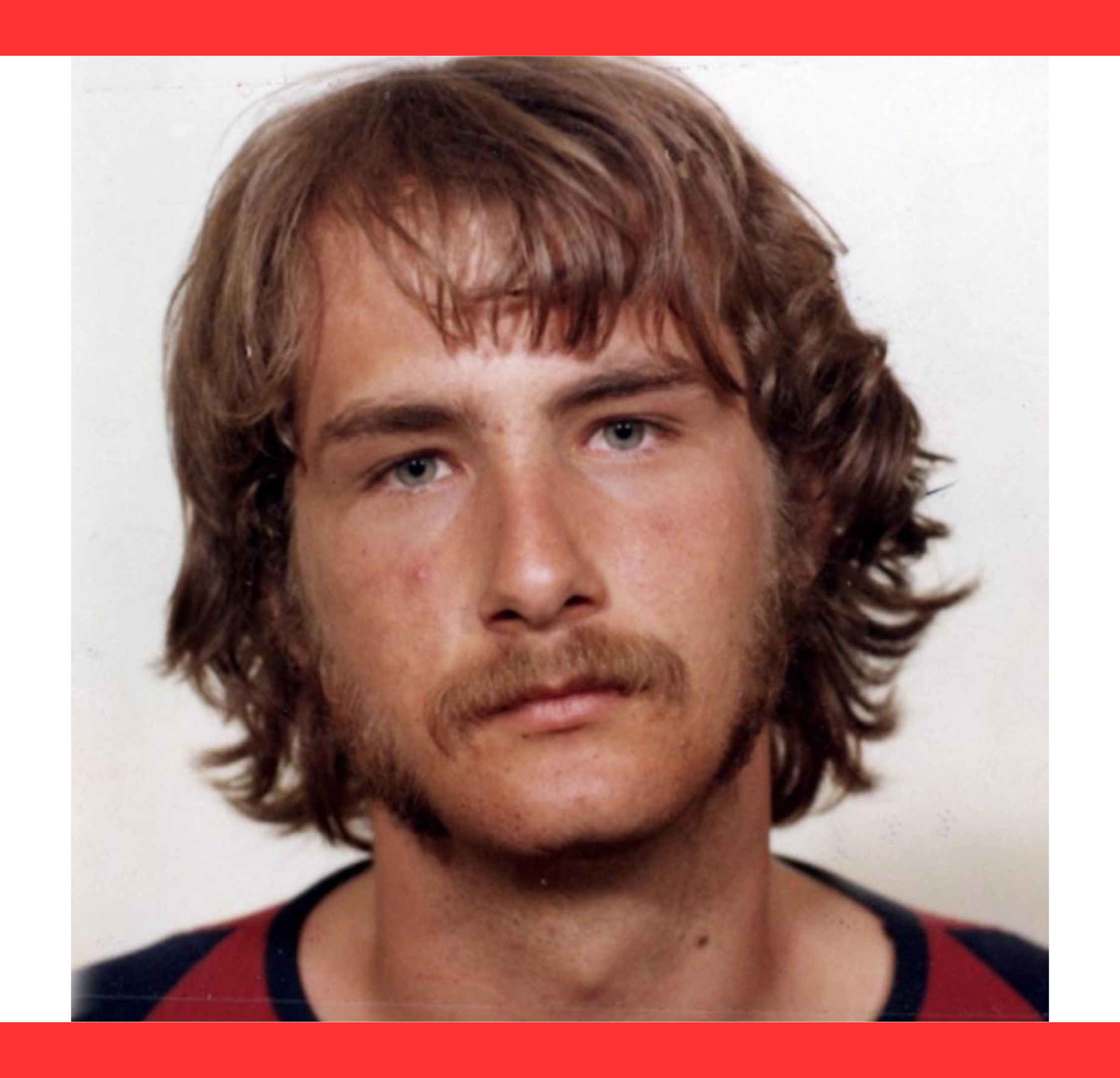
Some of the 24 were labeled “The Undesirables” and suppressed because of their disruptive or criminal tendencies.
Personalities could switch control of the body rapidly, often leaving the core Billy unaware of what others had done.
During the highly publicized trial, expert witnesses confirmed that Milligan had no control or memory when certain alters took over.
The defense argued he could not be held responsible as the “host” personality did not commit the acts.

In December 1978, Judge Jay C. Flowers ruled Milligan not guilty by reason of insanity in a landmark verdict.
He became the first defendant in American legal history acquitted of serious felonies due to multiple personality disorder.
Rather than facing prison, Milligan was committed to various state mental hospitals for treatment.
Over the years, therapy aimed to integrate his personalities into a unified self, a process that took considerable time and resources.
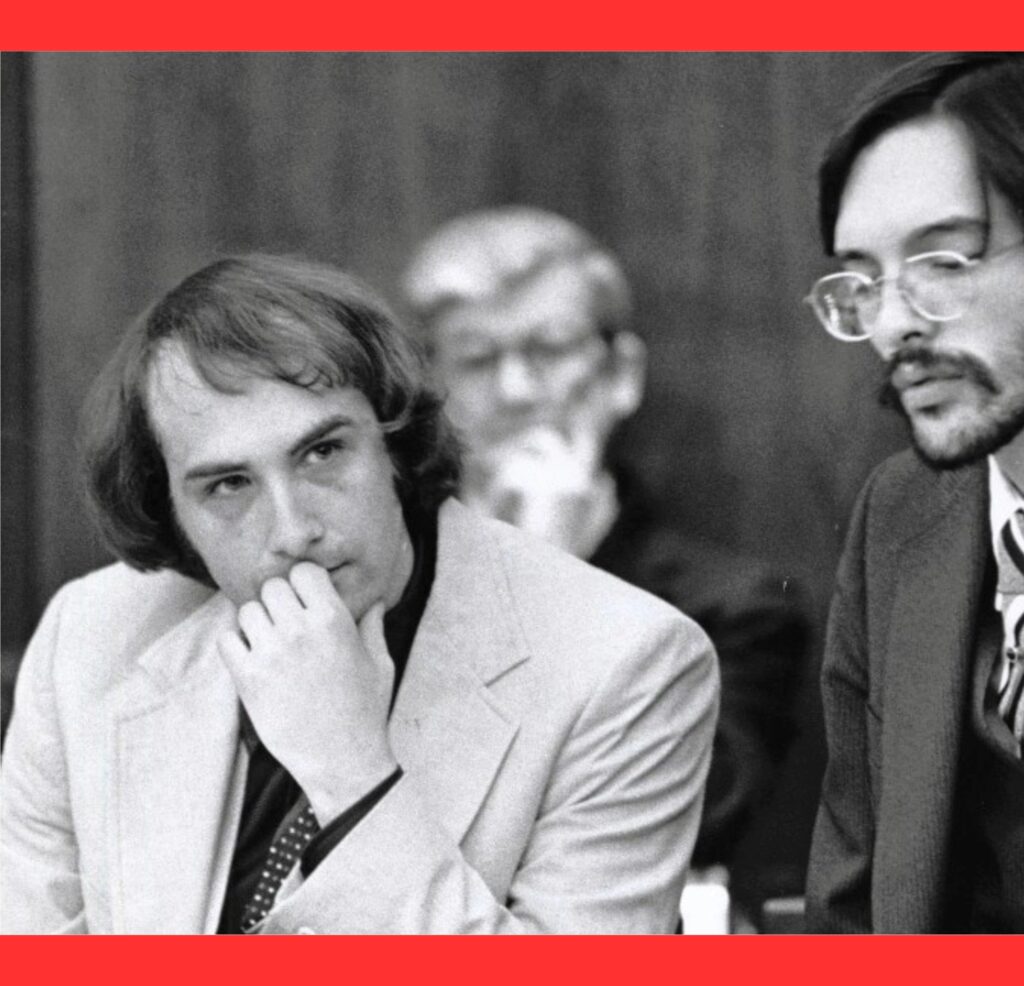
The case ignited fierce debates among legal experts, psychologists, and the public about the validity of dissociative identity disorder, the potential for abuse of the insanity plea, and the very nature of criminal responsibility.
Billy Milligan passed away in 2014 at age 59.
His extraordinary story, later documented in books and a Netflix series, remains a chilling reminder of how trauma can shatter the human mind and challenge our understanding of justice.