
Comedian and actor Russell Brand has ignited fresh controversy after candidly admitting to sleeping with a 16-year-old girl when he was 30.
The revelation, made during a recent April 2026 appearance on The Megyn Kelly Show, has dominated headlines and social media discussions.
Brand, now 50, framed the encounter as legal under UK law while acknowledging its ethical complexities amid his ongoing legal battles.
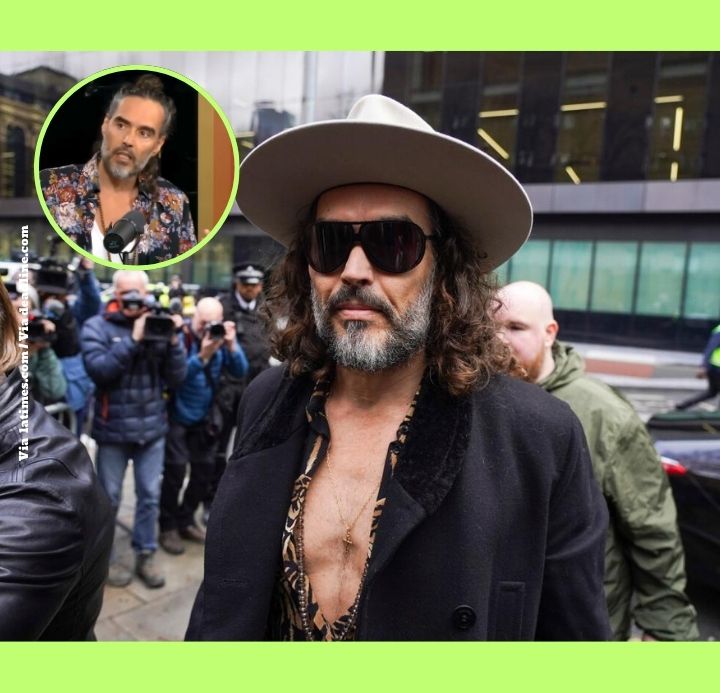
In the interview, Brand stated, “in the UK, where I come from, the age of consent is 16 and yes, I slept with a 16-year-old girl when I was 30.”
He stressed the relationship was consensual and lawful but described it as exploitative due to the significant power differential and his own immaturity at the time.
Brand called his younger self selfish, driven by fame and charisma during his early 2000s peak as a TV presenter and Hollywood star.
Now a father and self-described reformed figure, Brand reflected on his past behavior as part of a broader pattern of excess.
He has publicly discussed his journey toward Christianity, sobriety, and personal accountability in recent years through his podcast and YouTube channel.

The admission has polarized public opinion sharply.
Critics argue that legality does not equal morality, highlighting the 14-year age gap and celebrity influence as potential red flags for exploitation, even when no crime occurred.
Many on social media have questioned whether such reflections adequately address broader issues of consent and power.
Supporters, however, point to Brand’s transparency as evidence of growth.
They note he has owned his past mistakes without denying the consensual nature of the specific encounter, distinguishing it from more serious allegations he faces.

This latest controversy unfolds as Brand prepares for a UK trial scheduled for October 2026 on multiple charges of rape and sexual assault from incidents allegedly between 1999 and 2009.
He has pleaded not guilty to all counts and maintains his innocence.
Brand insisted in the interview that he never engaged in non-consensual acts, using the platform to address his history directly while thanking Kelly for pressing him on the topic.
Legal experts emphasize that the UK age of consent is indeed 16, but relationships with large age disparities often spark ethical debates about maturity, coercion, and societal norms, regardless of legality.

The story has trended heavily online, reigniting conversations about celebrity culture, evolving standards of accountability, and the line between personal redemption and public scrutiny.
Advocacy groups have voiced concerns that such admissions could normalize problematic dynamics involving young women.
Defenders of Brand highlight his transformation, arguing that past actions should not overshadow his current advocacy on wellness, politics, and spirituality.
As Russell Brand continues to navigate intense legal and public pressures, his admission serves as a stark reminder of the lasting scrutiny faced by high-profile figures over decades-old behavior in today’s unforgiving cultural climate.
Whether it bolsters his claims of reform or fuels further backlash remains to be seen.