
In the fast-paced world of beauty and aesthetics, 2026 has ushered in a surprising new trend: artificial dimples.
Known medically as dimpleplasty, this procedure allows individuals to surgically acquire the cheek indentations that many associate with cuteness and charisma.
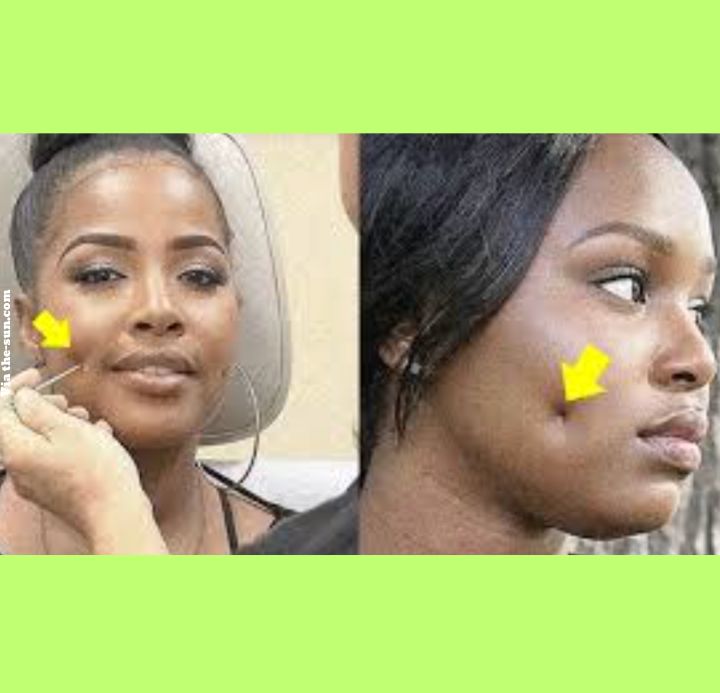
What was once a genetic trait is now within reach for anyone willing to go under the knife, or rather, the suture.
Social media has played a pivotal role in popularizing the look, with influencers posting dramatic before-and-after photos that rack up millions of views.
The procedure itself is relatively straightforward and minimally invasive.
Performed under local anesthesia, it involves a small incision inside the mouth where a dissolvable suture is used to tether the cheek skin to the underlying buccinator muscle.
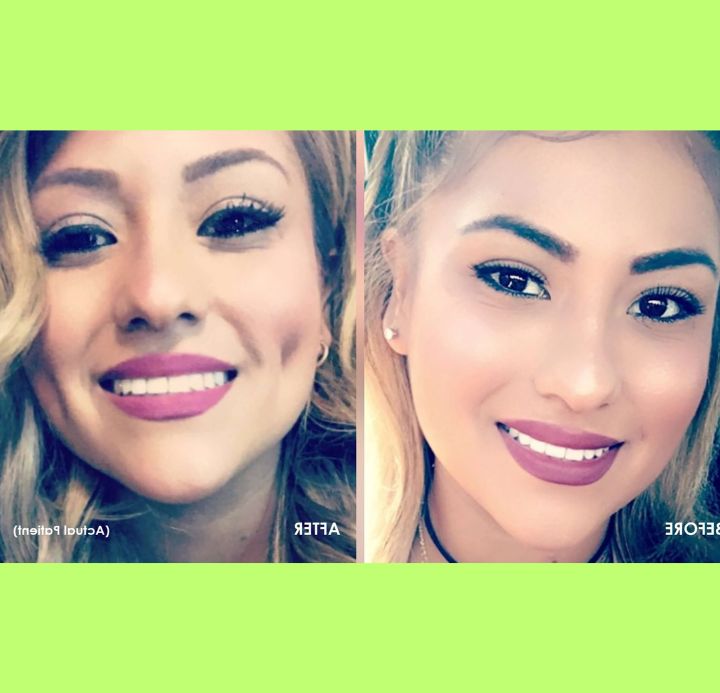
This creates a dimple that appears naturally when the person smiles.
The entire surgery typically lasts between 30 and 60 minutes, making it an appealing option for those with busy schedules.
Costs for dimpleplasty can climb as high as $3,500 depending on the clinic and location.
Despite the price tag, demand has skyrocketed, particularly among young women seeking to enhance their facial aesthetics and boost self-confidence in an image-driven world.

Advocates of the trend emphasize personal choice and empowerment.
They argue that in an age of self-expression, modifying one’s appearance to feel better about oneself should not be judged or stigmatized by others.
However, the trend has not been without backlash.
Social media platforms like Instagram and X are ablaze with heated debates as users question the broader implications for natural beauty standards and self-acceptance.
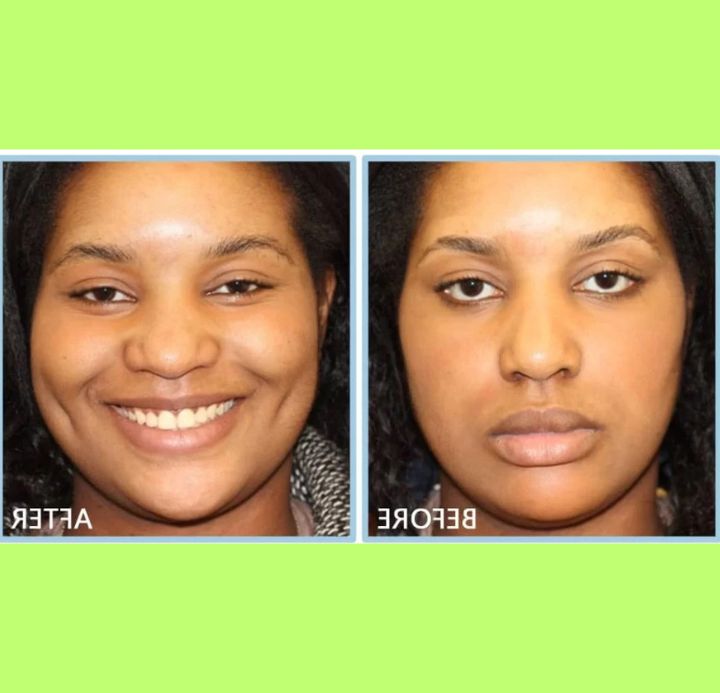
Critics contend that artificial dimples exemplify the toxic pressure of social media to conform to idealized images, potentially leading to increased cases of body dysmorphia and a cascade of unnecessary cosmetic interventions.
Medical experts warn of possible complications including infection, asymmetry, prolonged swelling, and in rare cases, facial nerve damage.
While satisfaction rates are high for many, results can vary and require careful consideration.

As the year 2026 progresses, the artificial dimples phenomenon continues to divide opinions, serving as a fascinating case study in society’s complex and evolving relationship with beauty enhancements, technology, and cultural expectations in the digital age.