
In the quiet town of Sugarcreek, Ohio, Sierra and Dustin Yoder received devastating news during a routine prenatal ultrasound.
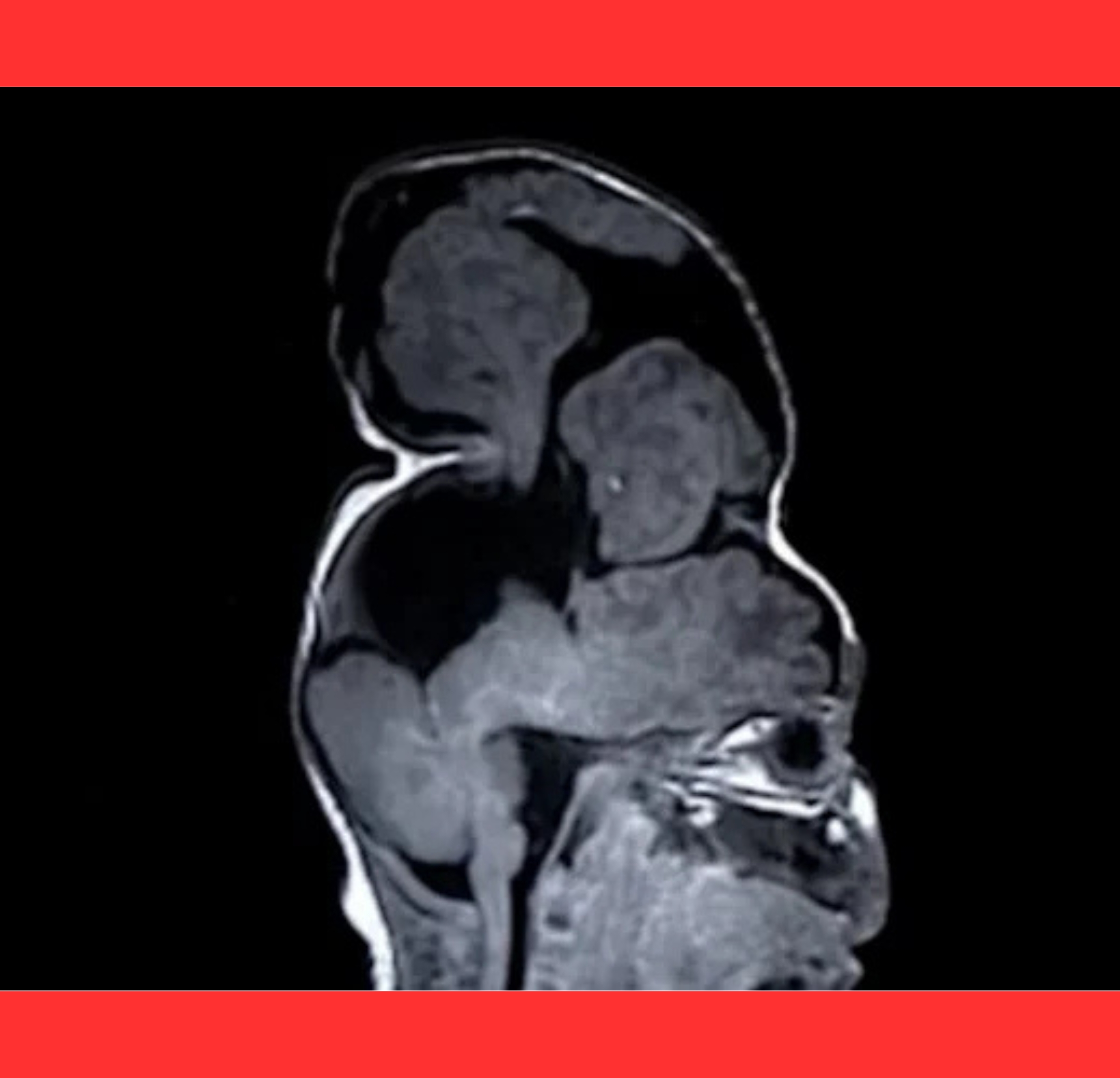
Their unborn son, Bentley, had a rare condition known as encephalocele, where part of his brain was growing outside his skull.
Doctors warned the condition was often incompatible with life.
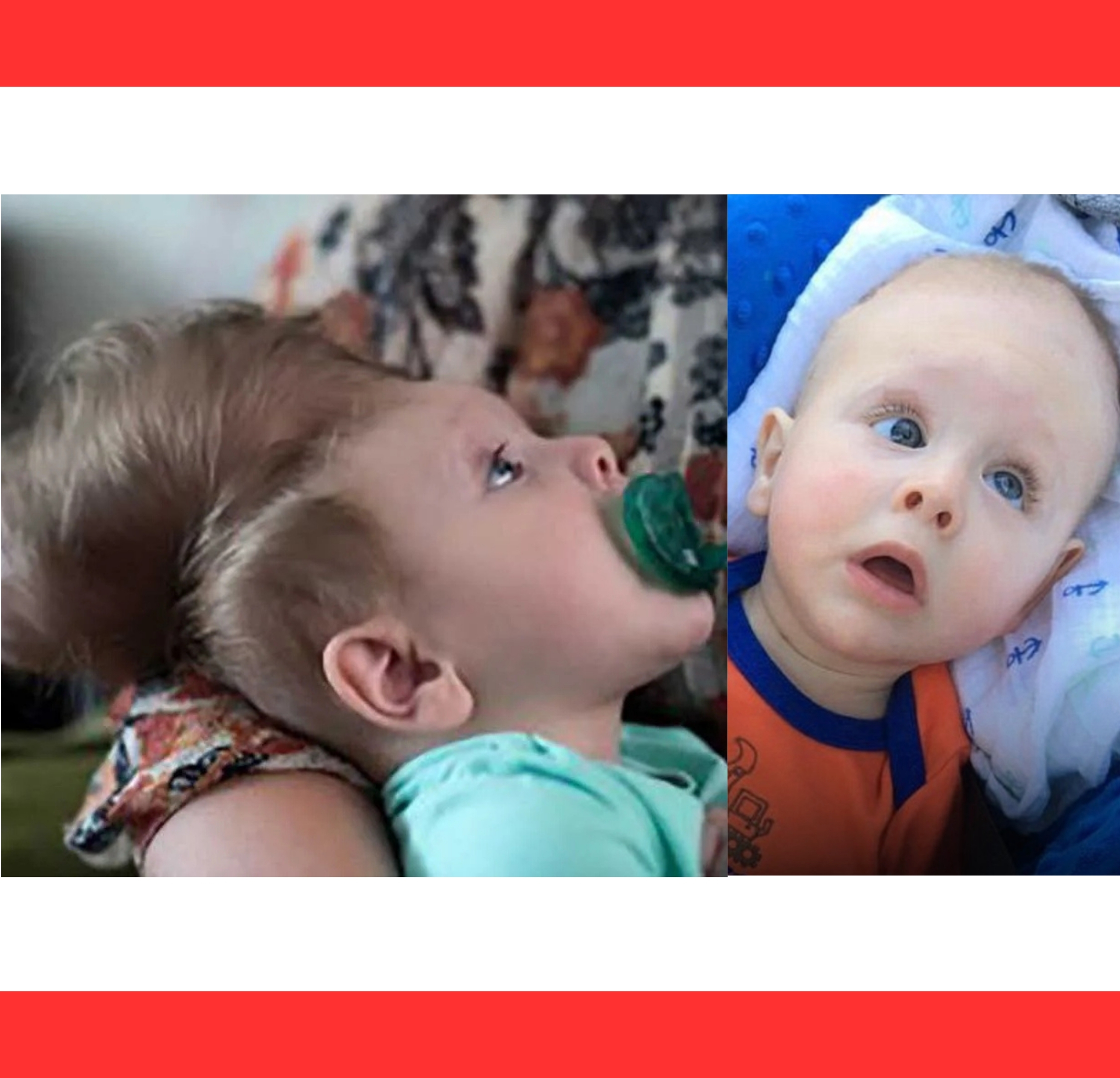
Despite the grim prognosis, the Yoders chose to carry the pregnancy to term. Sierra felt her baby moving and couldn’t bring herself to terminate.
The family prepared for the worst, even buying a tiny outfit for burial.
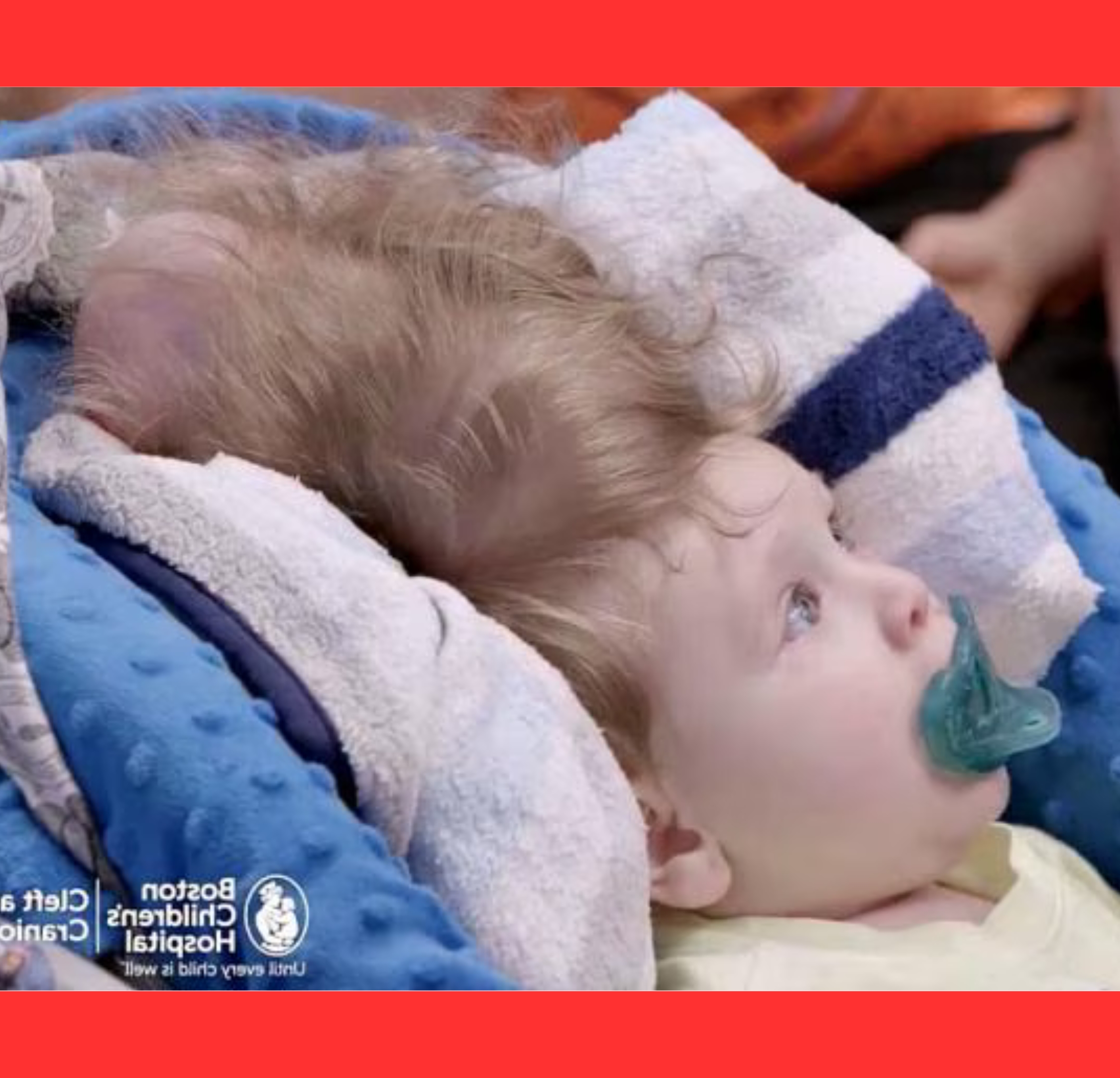
On Halloween night, Bentley was born fighting.
He came into the world screaming, defying expectations.
The family was overjoyed but knew challenges lay ahead.
His skull had a large opening at the top, with a bulbous mass containing brain tissue protruding.
Initial local doctors suggested standard treatment: removing the protruding tissue.
But tests showed Bentley was using much of that brain tissue for functions like vision and motor skills.
Removing it could severely impair him.
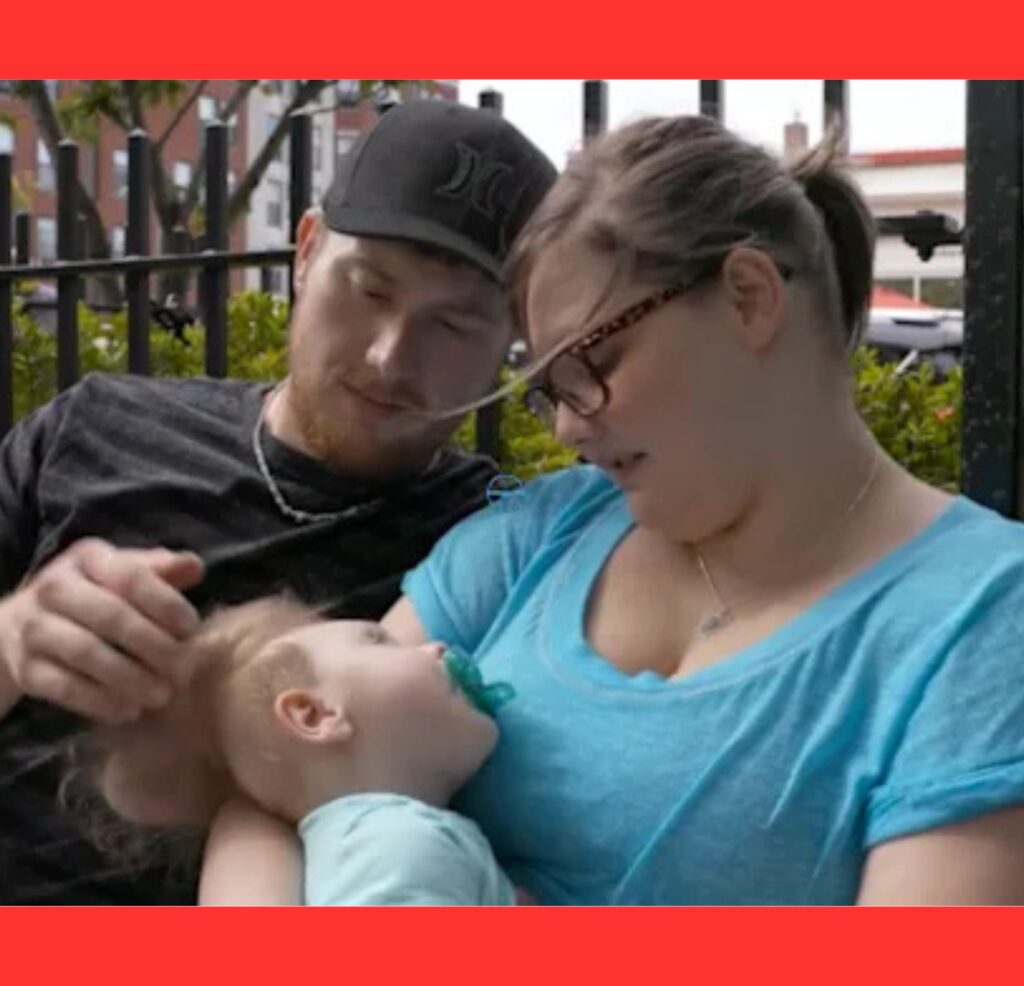
The Yoders sought second opinions, eventually connecting with specialists at Boston Children’s Hospital.
Plastic Surgeon-in-Chief Dr. John Meara and Neurosurgeon Dr. Mark Proctor took on the complex case.
The surgery planned was groundbreaking.
A significant portion of Bentley’s brain needed to be gently placed back inside his skull, and the cranium expanded to accommodate it.
3D printing technology was used to create models for precise planning.
In May 2016, at nearly seven months old, Bentley underwent the daring operation.
Surgeons carefully repositioned the brain tissue and reconstructed the skull using bone segments.
The procedure was a success.
Except for a small sliver, the brain was returned to the cranium.
Bentley required follow-up procedures for a shunt to manage fluid, but he recovered remarkably well.
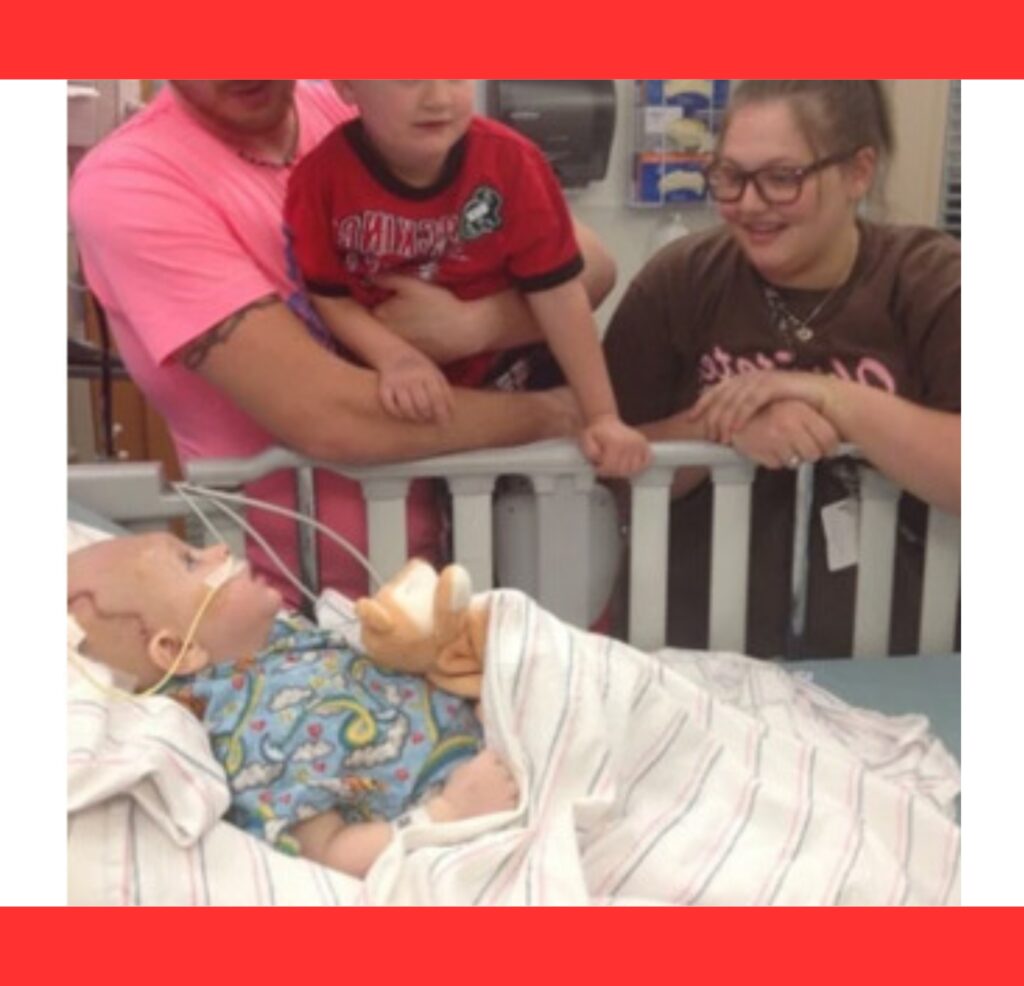
Post-surgery, Bentley began smiling, grabbing objects, and meeting developmental milestones. His parents, along with big brother Beau, were thrilled to bring him home.
The Yoder family credits the expert team and their faith for Bentley’s survival. Their story highlights the advances in pediatric neurosurgery and the power of hope.
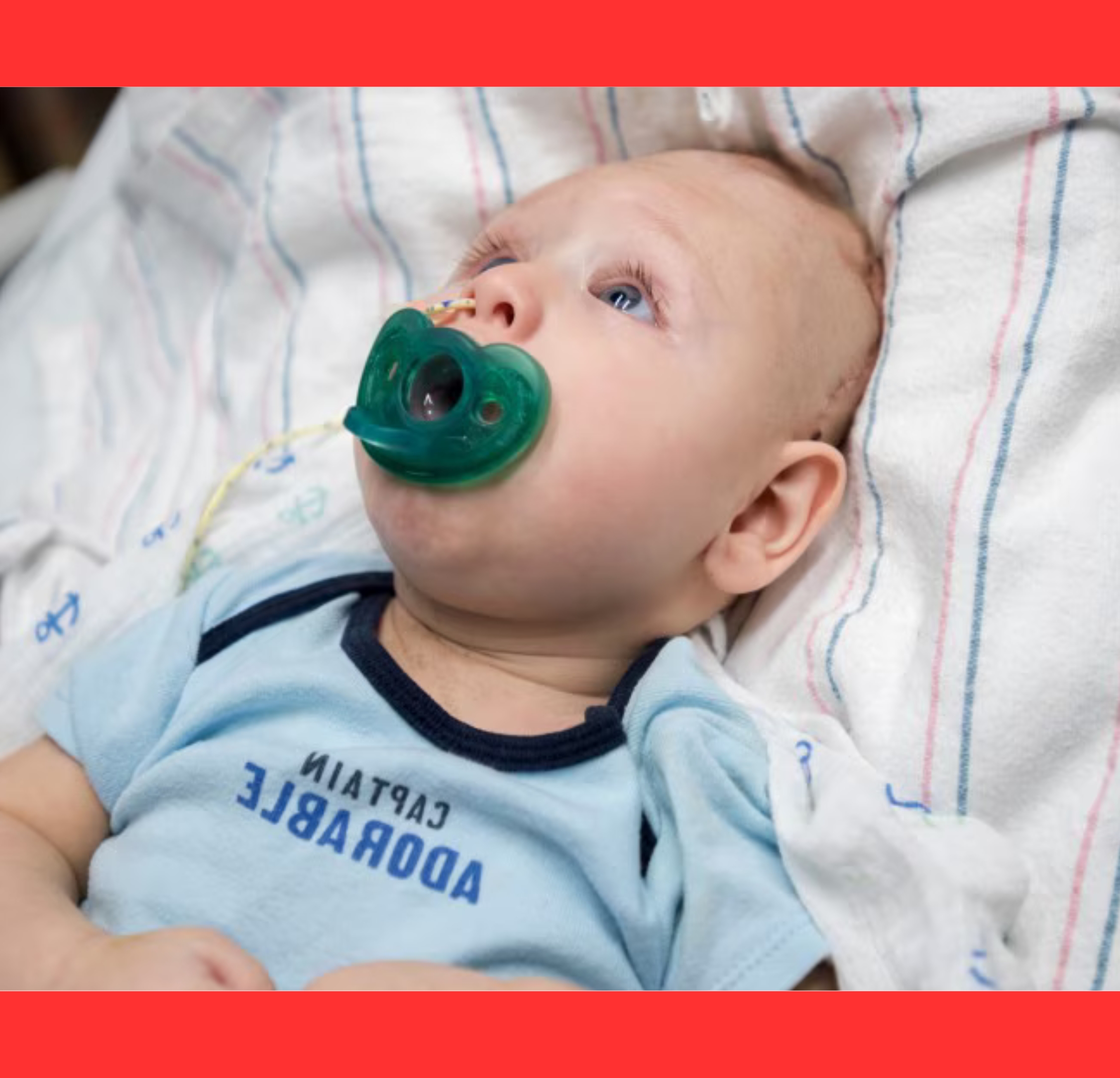
Today, Bentley’s journey serves as an inspiration, reminding us that miracles can happen through medical innovation and parental determination.
His case continues to showcase what is possible when doctors push the boundaries of possibility.