
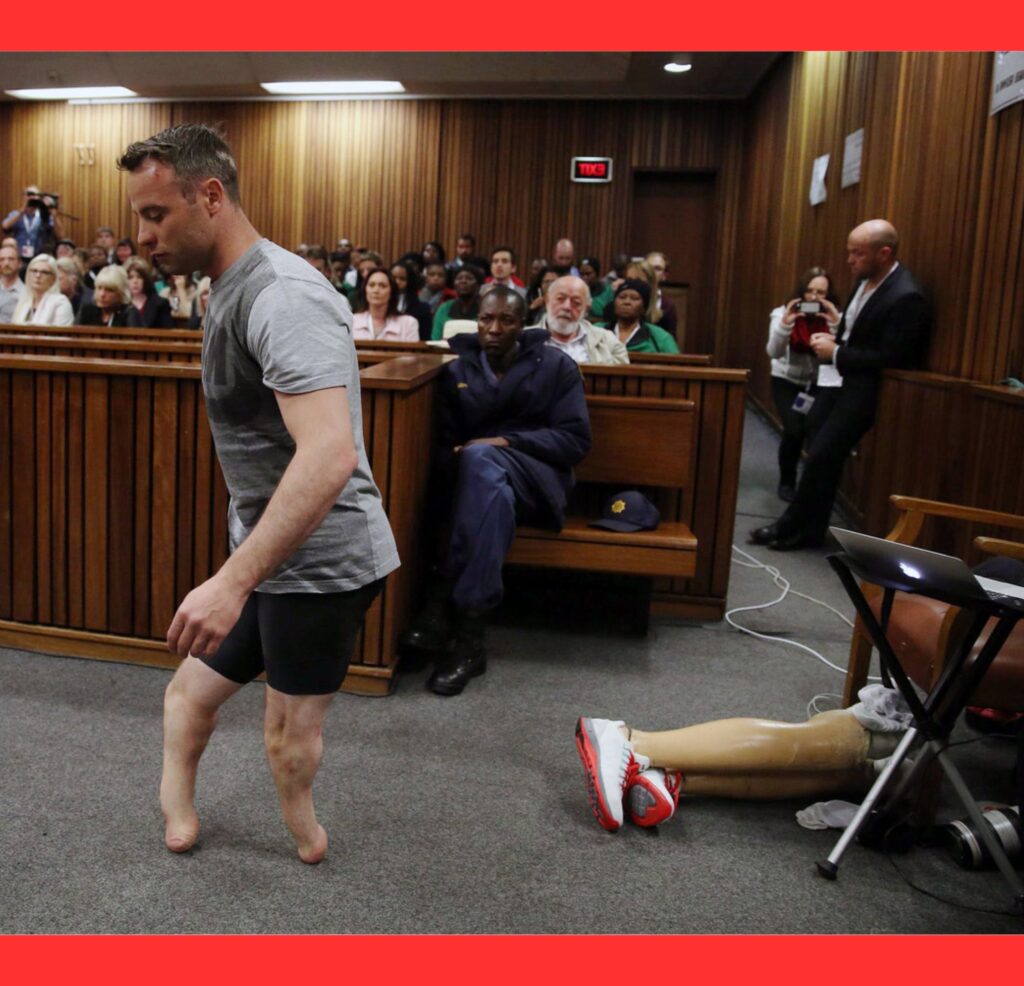
In the packed Pretoria courtroom, all eyes were fixed on Oscar Pistorius as the Paralympic athlete slowly removed his prosthetic legs.
This poignant moment during proceedings related to the murder of his girlfriend Reeva Steenkamp was intended to showcase the runner’s physical vulnerability.
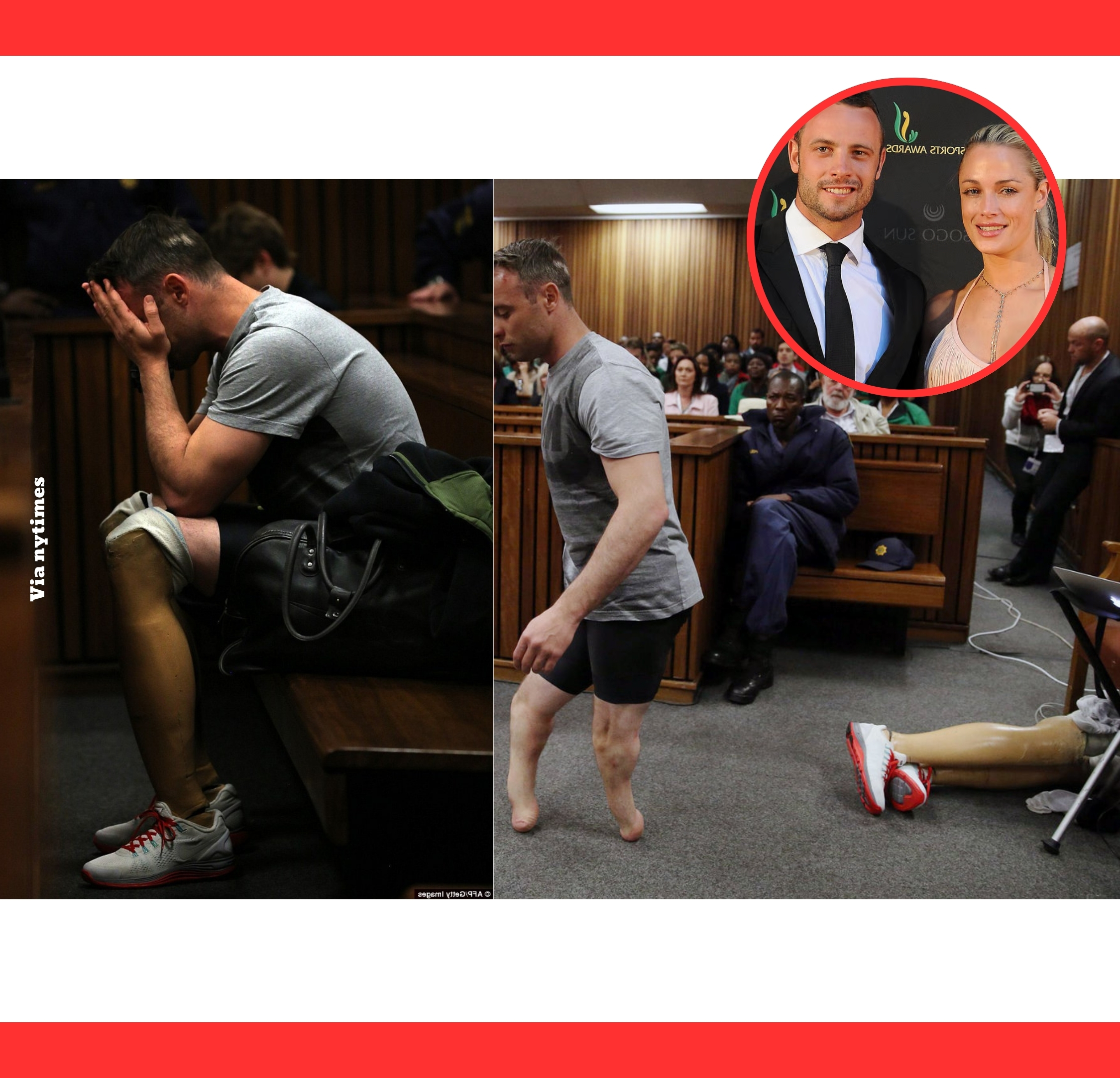
Pistorius, famously known as the Blade Runner for his carbon-fiber prosthetic blades that allowed him to compete against able-bodied athletes, had his world shattered on Valentine’s Day 2013.
He fired four shots through a closed bathroom door at his luxury home, fatally wounding 29-year-old model and law graduate Reeva Steenkamp.

The incident sparked intense global media scrutiny.
Pistorius maintained he believed an intruder had broken into the house and acted out of fear.
His defense argued that his disability amplified his sense of threat, especially without his prosthetics on at night.
The high-profile trial began in March 2014, captivating audiences worldwide with its mix of celebrity, tragedy, and legal drama.
Testimonies revealed a troubled relationship, with WhatsApp messages showing arguments between the couple in the days leading up to the shooting.
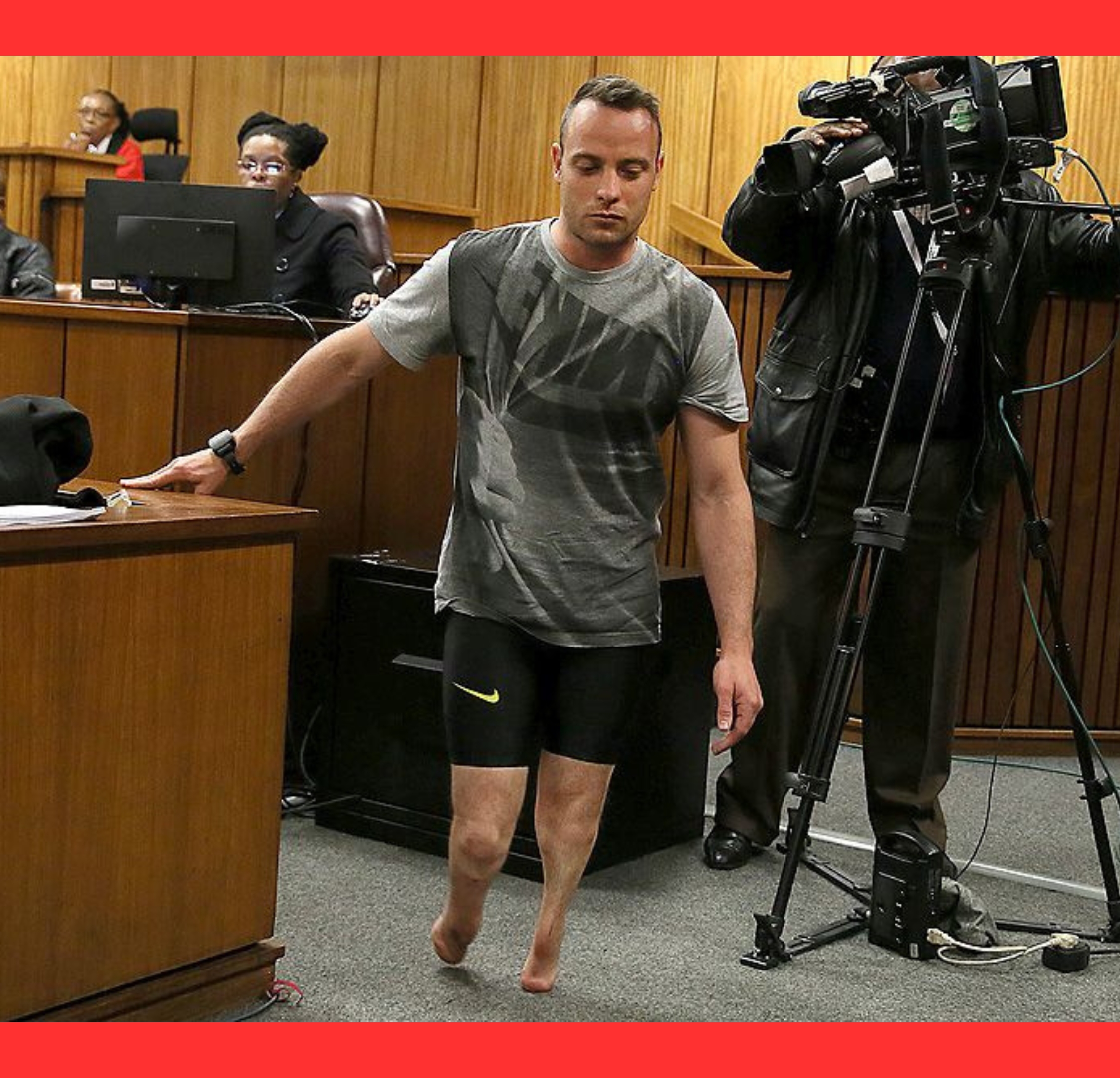
Neighbors testified to hearing a woman’s screams followed by gunshots, contradicting parts of Pistorius’ account.
Graphic evidence, including postmortem photos, was presented, causing the athlete visible distress in court.
Initially found guilty of culpable homicide rather than murder in 2014, Pistorius received a five-year sentence.
However, the Supreme Court of Appeal overturned this in 2015, convicting him of murder, emphasizing that his actions showed intent to kill whoever was behind the door.
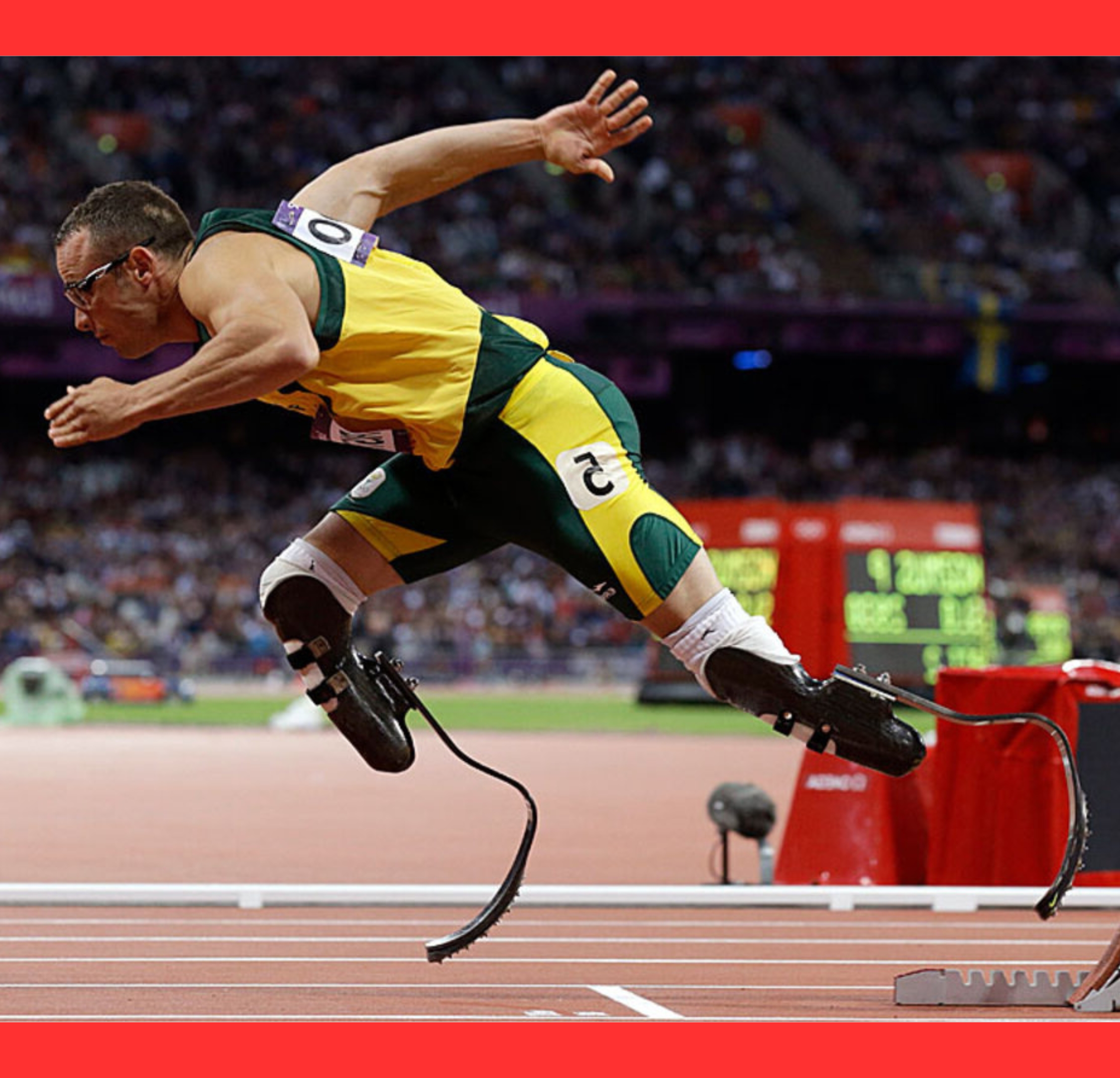
During a key phase of the proceedings, defense lawyers called for leniency by demonstrating Pistorius’ limitations.
The athlete complied by detaching his prostheses and walking unsteadily across the floor on his stumps, tears in his eyes.
This act was meant to humanize him, portraying not the invincible Olympian but a disabled man who felt perpetually at risk.
His lawyer emphasized that without legs, Pistorius was far from the strong, ambitious figure the public admired.
Prosecutors, however, argued against excessive sympathy, pointing to Pistorius’ history of gun enthusiasm and the premeditated nature of loading and firing the weapon multiple times.
Steenkamp’s family expressed their pain, seeking justice for the young woman whose life was cut short.
Judge Thokozile Masipa considered the demonstration alongside other factors, ultimately sentencing Pistorius to six years for murder, later increased on further review.
The case highlighted issues of domestic violence, celebrity privilege, and disability in the justice system.

Today, Pistorius remains a controversial figure, having been released on parole in early 2024 after serving nearly a decade, living under restrictions as he attempts to rebuild his life.
The images of him vulnerable without prosthetics endure as a symbol of the trial’s emotional depth and the profound questions it raised about guilt, fear, and humanity.