
In 2021, Halima Cissé from Mali made global headlines by delivering nonuplets—nine babies—at once.
The high-risk pregnancy was closely monitored in Morocco after complications arose.
All nine infants survived, setting a modern record for the highest number of surviving multiples from a single pregnancy.
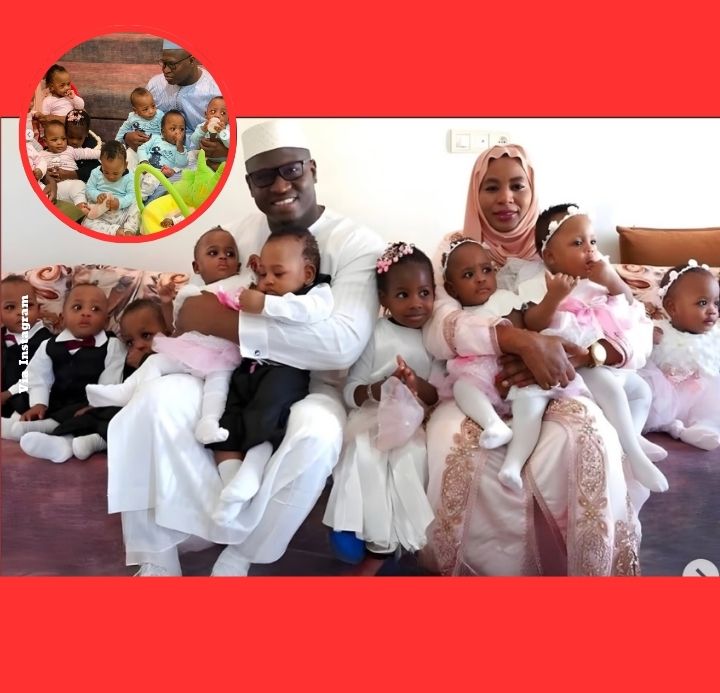
Doctors had initially detected seven fetuses, but scans later revealed nine. The premature babies required intensive neonatal care.
Halima underwent a cesarean section at 30 weeks.
This extraordinary case highlighted advances in maternal-fetal medicine that made survival possible.
Historically, the most verified case belongs to an 18th-century Russian peasant named Feodor Vassilyev.
His wife reportedly gave birth to 69 children across 27 pregnancies, including 16 pairs of twins, 7 sets of triplets, and 4 sets of quadruplets.
Between 1725 and 1765, she delivered a total of 15 sets of multiples that survived infancy.

This remarkable feat, though debated by some historians, remains the highest documented lifetime multiple births by one woman.
The couple’s story was reported to the Russian Academy of Sciences and later published in medical literature.
In 2009, Nadya Suleman, known as “Octomom,” delivered eight babies via in vitro fertilization in California.
All eight survived, becoming the first known set of living octuplets.
The case sparked intense ethical debates about IVF practices and embryo transfers.
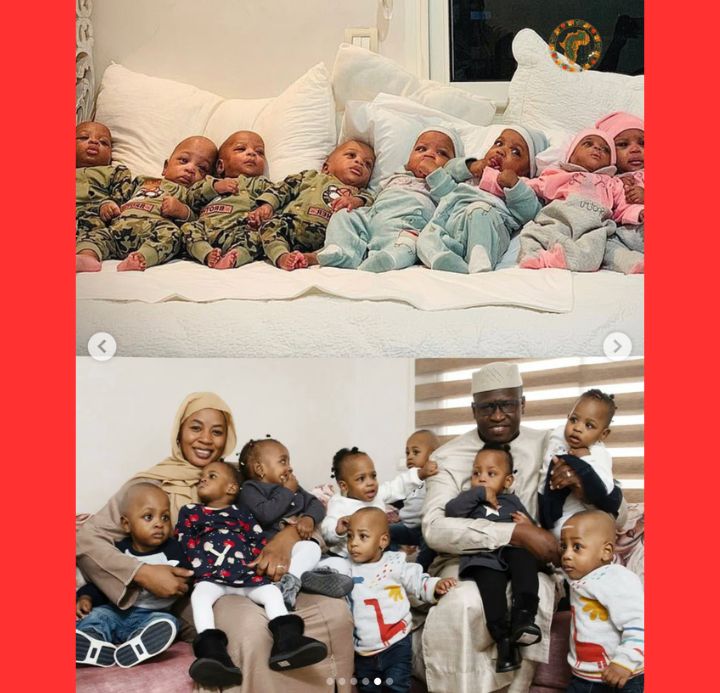
Suleman already had six children before the octuplets, bringing her total to 14.
The births drew worldwide media attention and criticism regarding medical responsibility in fertility treatments.
Multiple births carry significant risks, including preterm labor, low birth weights, and long-term health challenges for both mothers and babies.
Modern neonatal intensive care units have dramatically improved survival rates for higher-order multiples.
Advances in ultrasound technology and fertility treatments have increased the occurrence of such pregnancies.
However, medical guidelines now recommend single-embryo transfers in many cases to reduce risks associated with multiples.
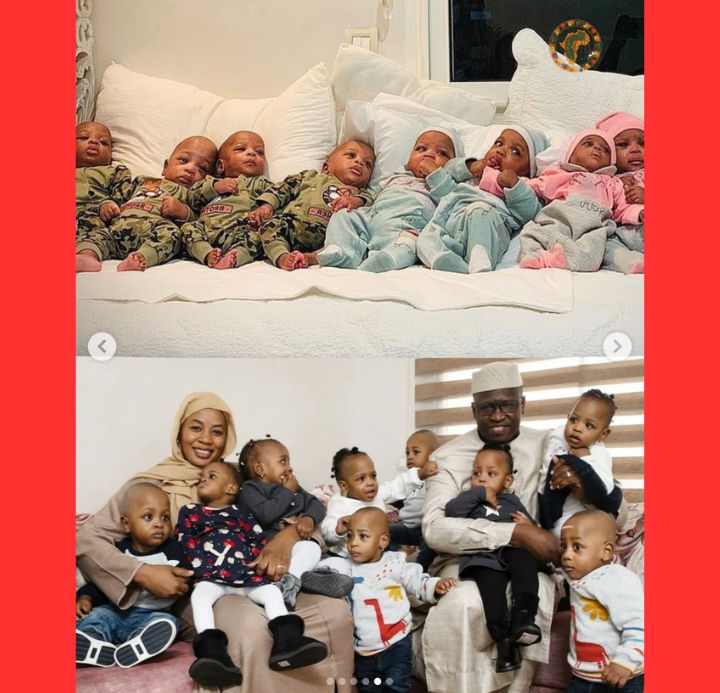
Halima Cissé’s nonuplets remain the current record for the highest number of surviving babies from one pregnancy.
The family returned to Mali after months of specialized care abroad.
Their story continues to inspire and fascinate researchers studying extreme multiple gestations.
These extraordinary cases push the boundaries of human reproduction and medical science.
From historical records to contemporary miracles, they remind us of the incredible resilience of mothers and the wonders of life.
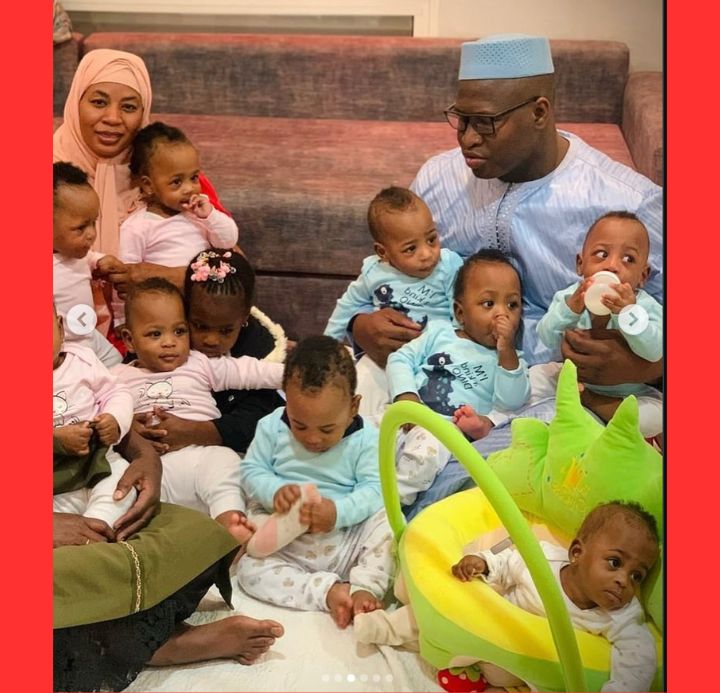
As fertility medicine evolves, ethical considerations remain crucial.
These record-breaking births highlight both the potential and the responsibilities that come with helping families grow.
They stand as testaments to human endurance and the power of modern healthcare.